Introduction
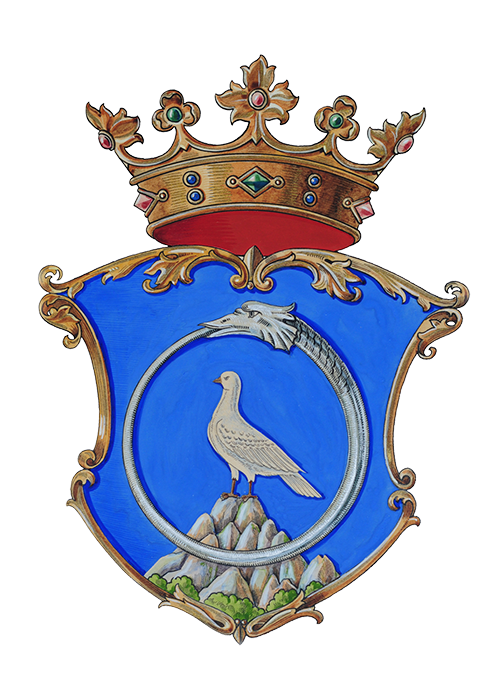
Located in the heart of Transylvania, Torda (Romanian: Turda, German: Thorenburg) is one of the most historically significant cities in the region. For centuries, it has stood at the crossroads of commerce, religion, and culture, benefiting from its rich salt deposits and strategic position along important trade routes. Today, Torda is known internationally both as the birthplace of religious freedom and as one of Romania’s most popular tourist destinations.
Visitors are drawn to the city by its remarkable combination of history, faith, natural beauty, and modern attractions. From the world-famous Turda Salt Mine to the dramatic Turda Gorge and the historic sites connected to the Edict of Torda, the city offers a unique journey through both nature and human history.
The Birthplace of Religious Freedom
Torda occupies a special place in the history of the Hungarian Unitarian Church and in the broader history of religious tolerance. In January 1568, the Diet of Torda adopted a decree that became one of the earliest legal expressions of freedom of conscience and freedom of religion in Europe. The law affirmed the right of communities to choose their own ministers and practice their faith according to their convictions.
The city soon became one of the most important centers of early Transylvanian Unitarianism. The local Unitarian congregation, founded during the Reformation, remains one of the oldest continuously existing Unitarian communities in the world.
Photo gallery by Zágon Szentes
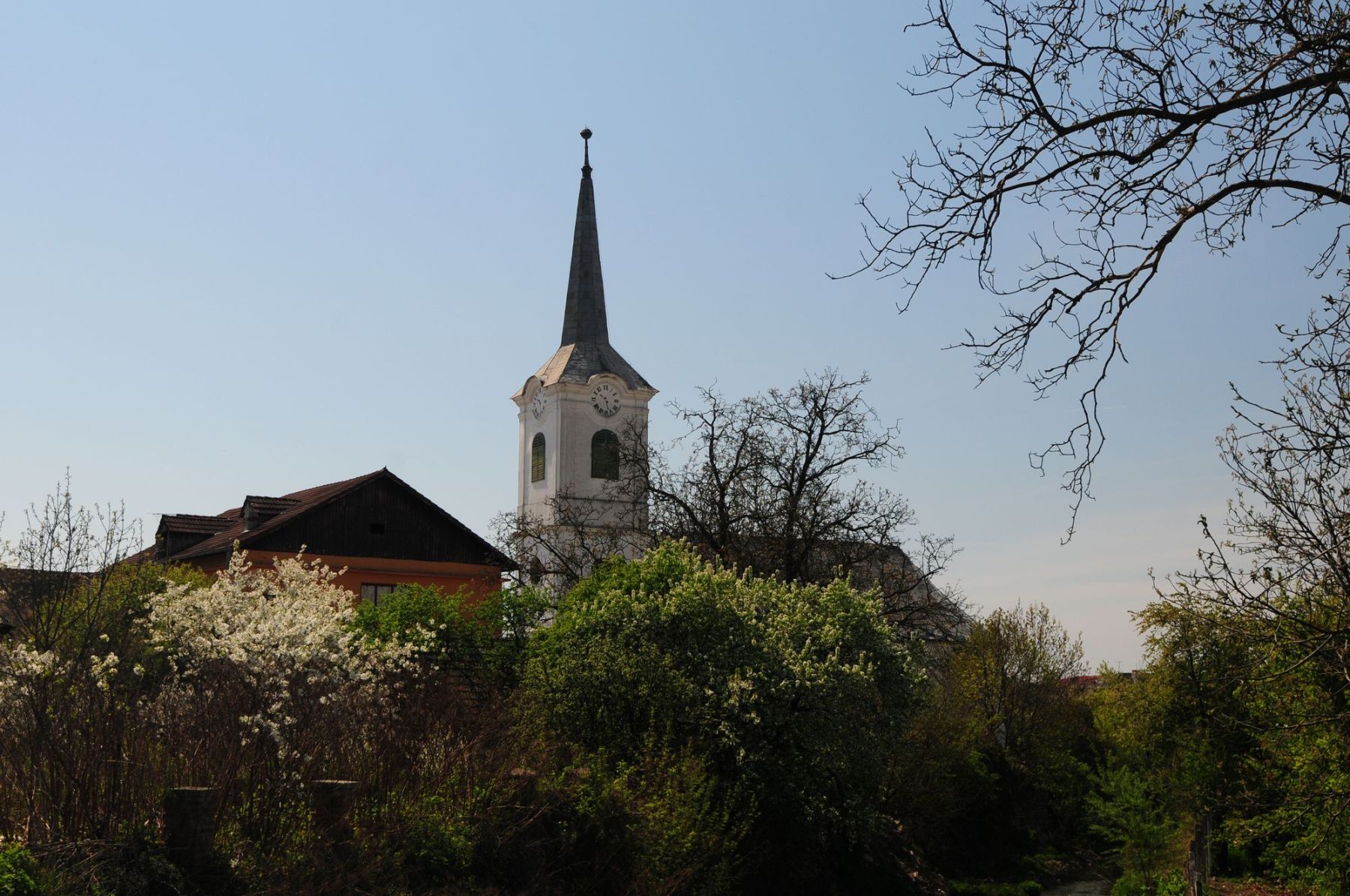
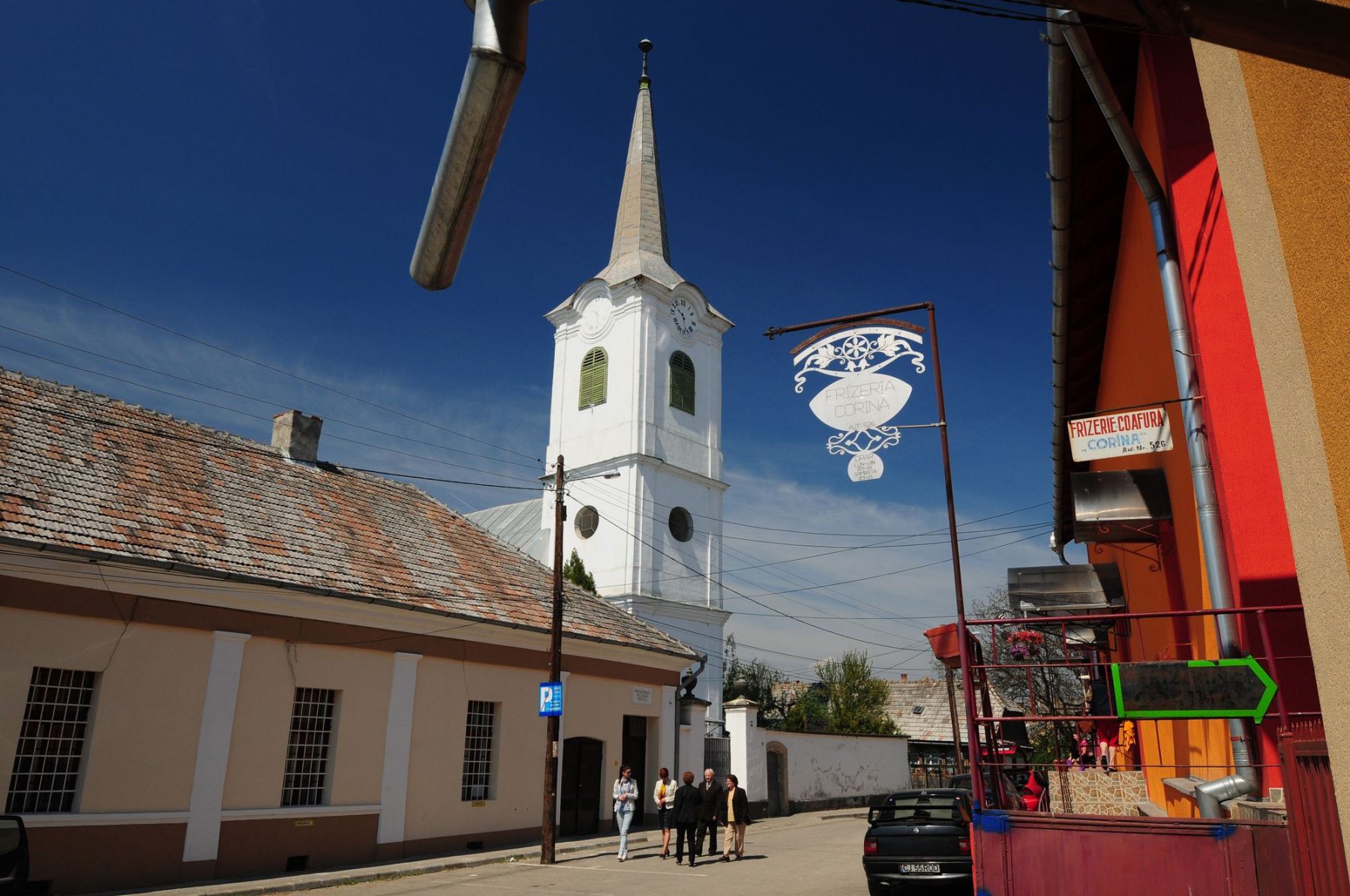
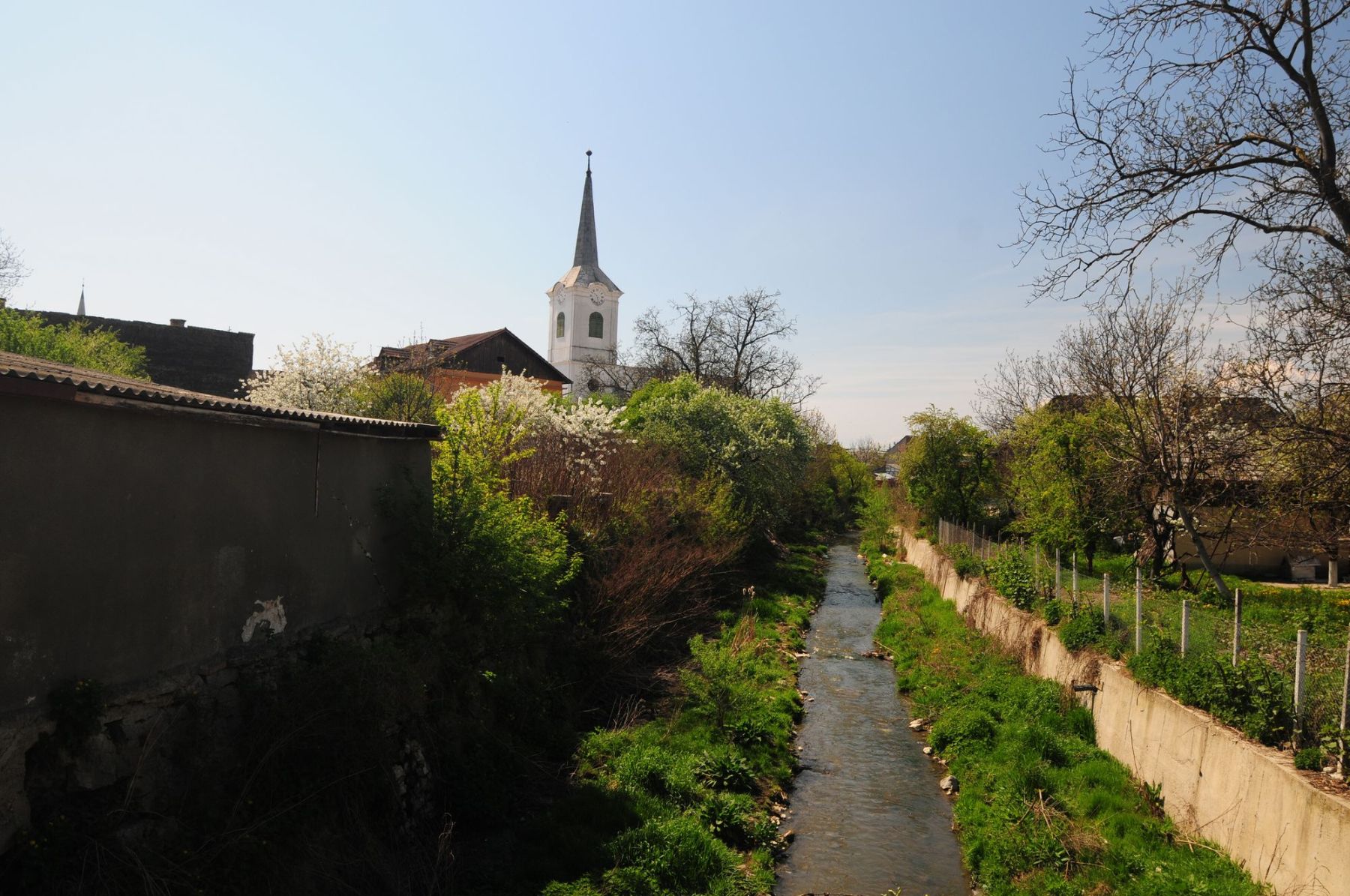
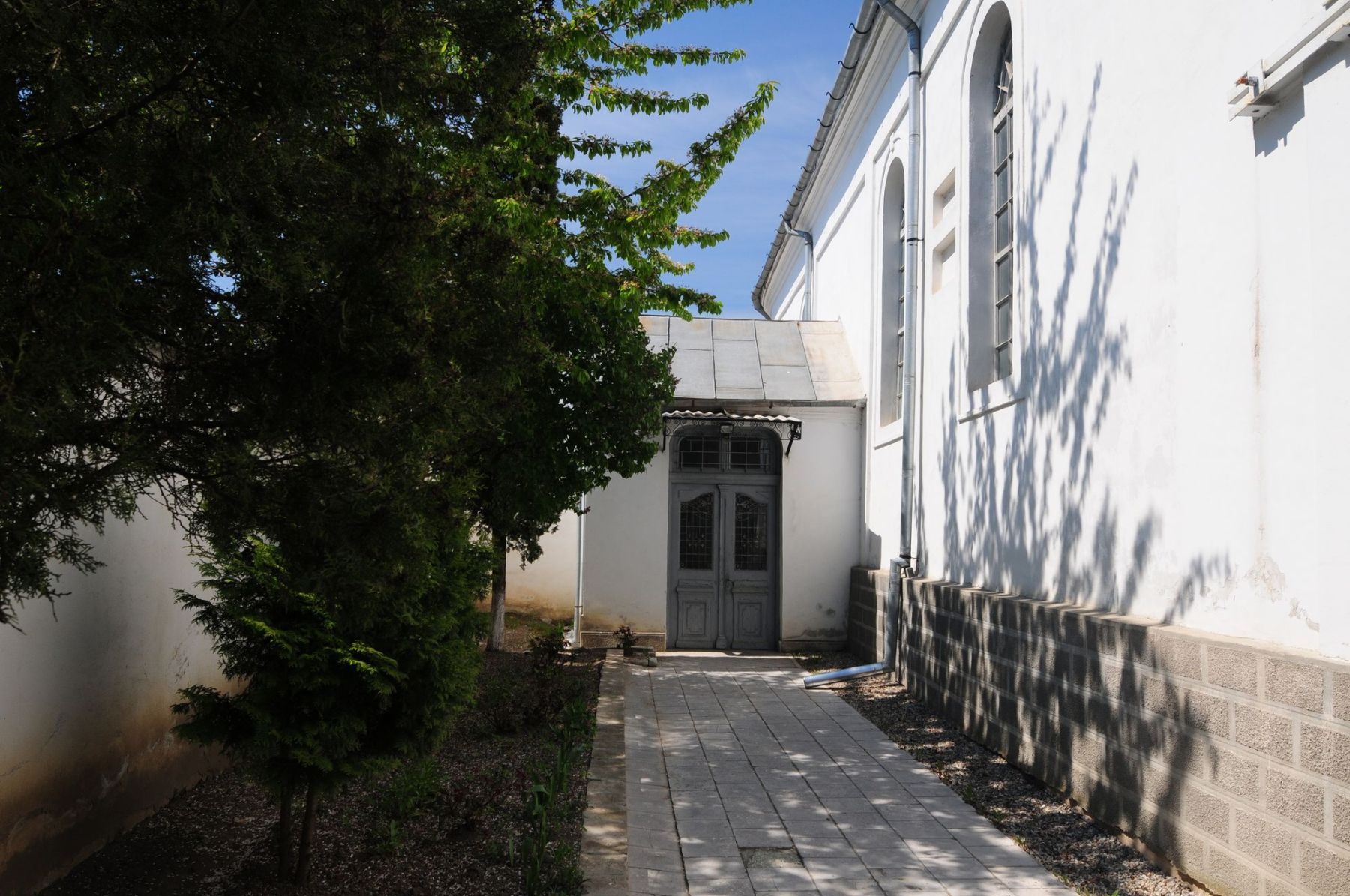
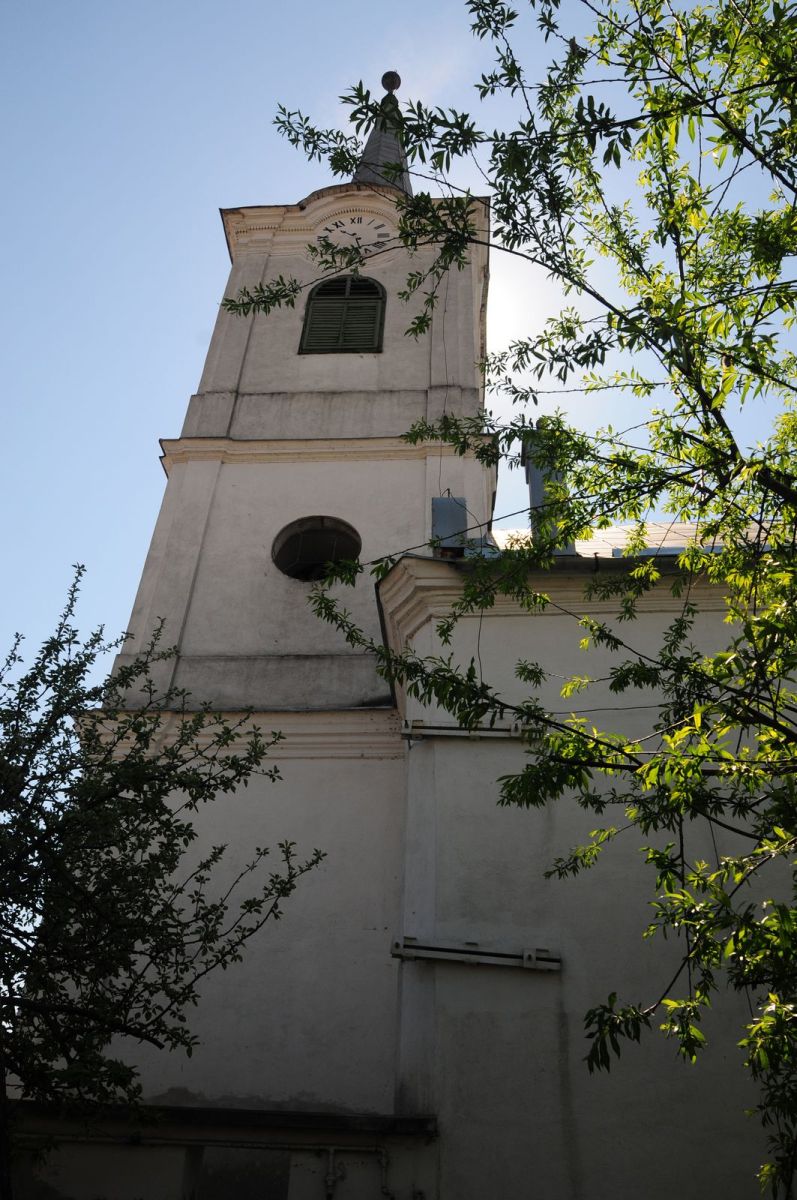
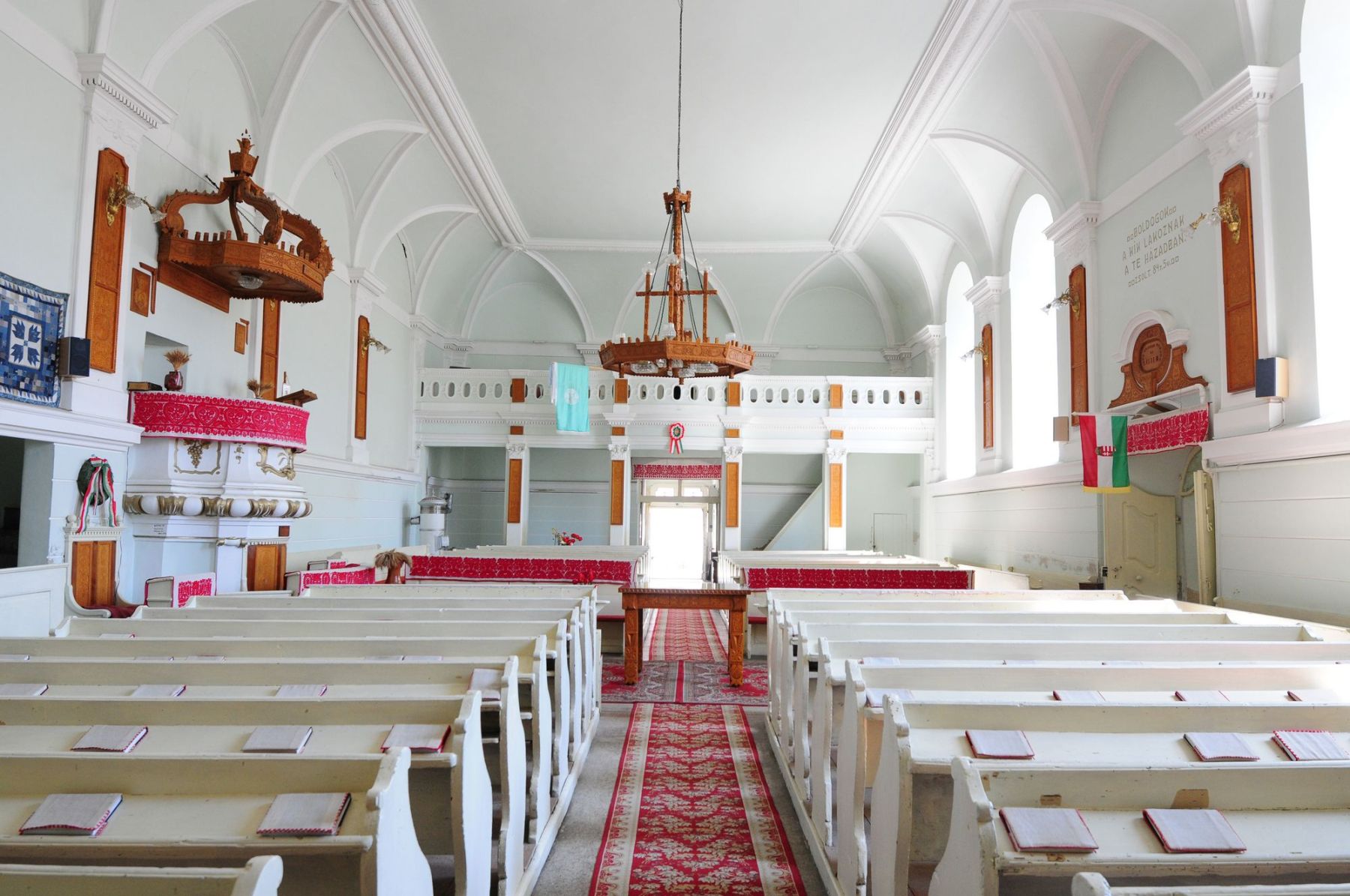
At the end of the sixteenth century, two Unitarian parishes were established in the city. After the confiscation of the Old Torda church by the Catholic Church in 1721, the congregation continued its religious life in the oratory of the Unitarian Gymnasium for several decades. The present Baroque-style Unitarian church was completed in 1791 and continues to serve an active congregation in the historic center of the city.
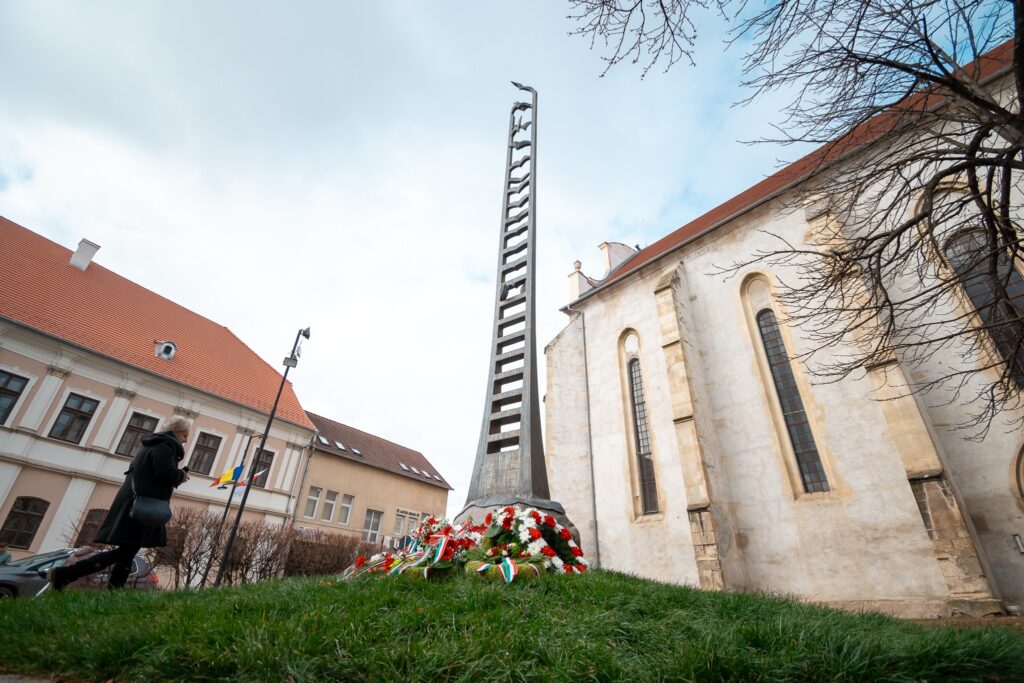
Every January, Unitarians and guests from around the world gather in Torda to commemorate the anniversary of the Edict of Torda and celebrate the enduring legacy of religious freedom. In 2018, on the 450th anniversary of the Edict, the Monument of Religious Freedom was unveiled in the city, further strengthening Torda’s role as an international symbol of tolerance and peaceful coexistence.
Salt and the Development of the City
Long before the Reformation, Torda owed its prosperity to salt. The area has been known for its salt deposits since Roman times, and salt mining played a decisive role in the city’s economic development for centuries.
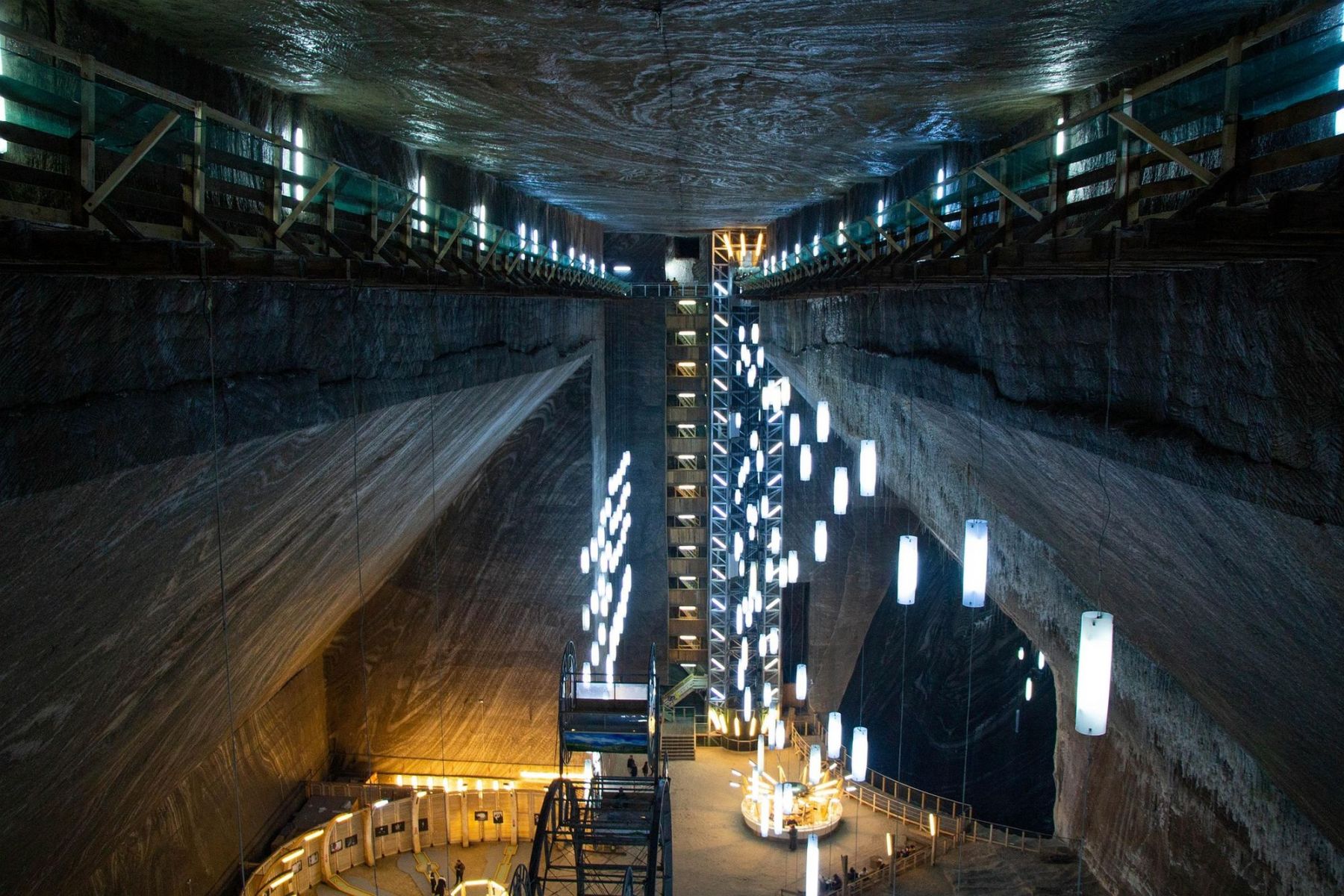
Today, the Turda Salt Mine is one of Romania’s most famous tourist attractions. Its vast underground chambers, impressive engineering works, and modern visitor facilities attract visitors from around the world. The mine offers a fascinating glimpse into the history of salt extraction while providing a unique recreational and cultural experience deep beneath the earth.
Photo gallery by Molnár Szabolcs via Pixabay
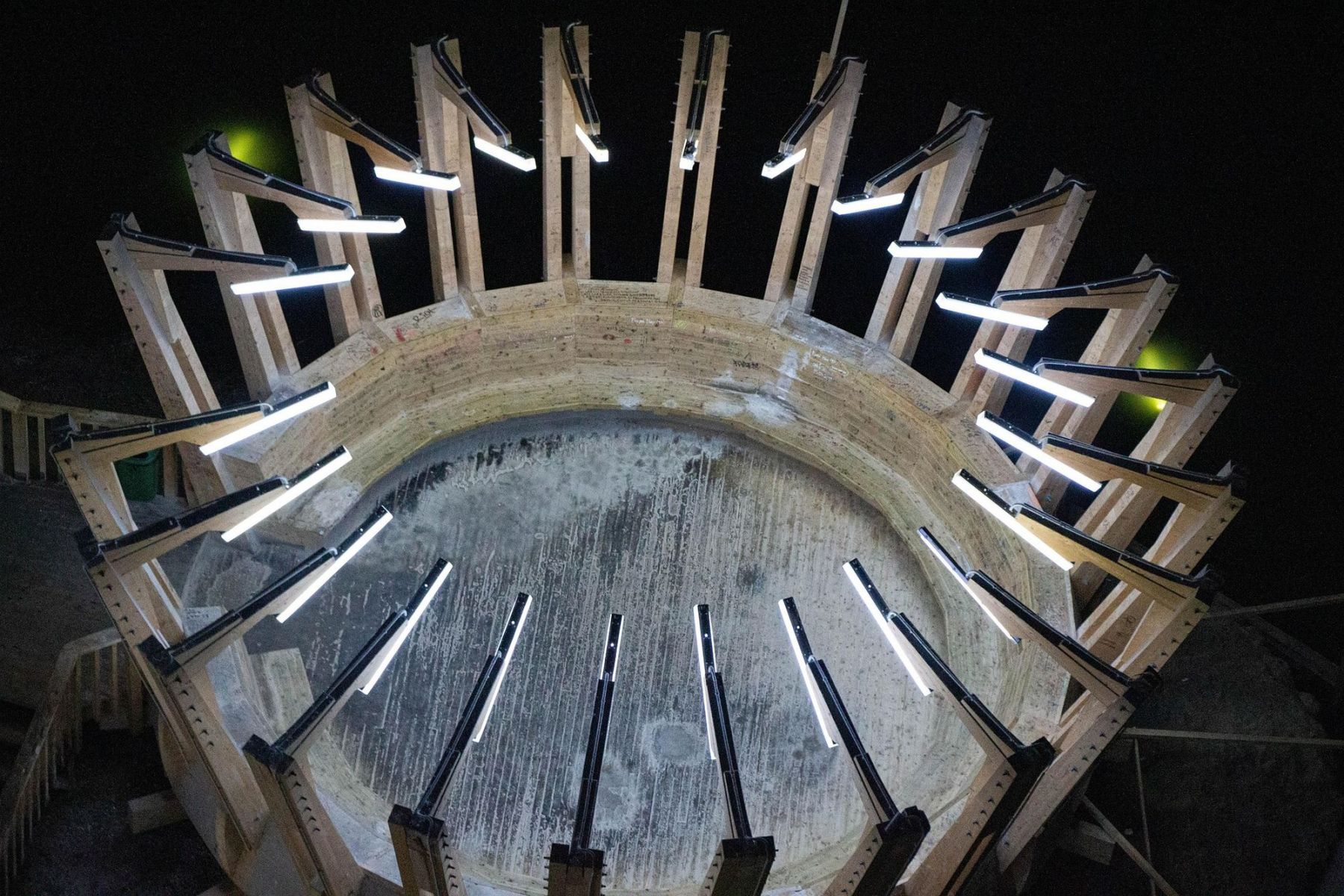
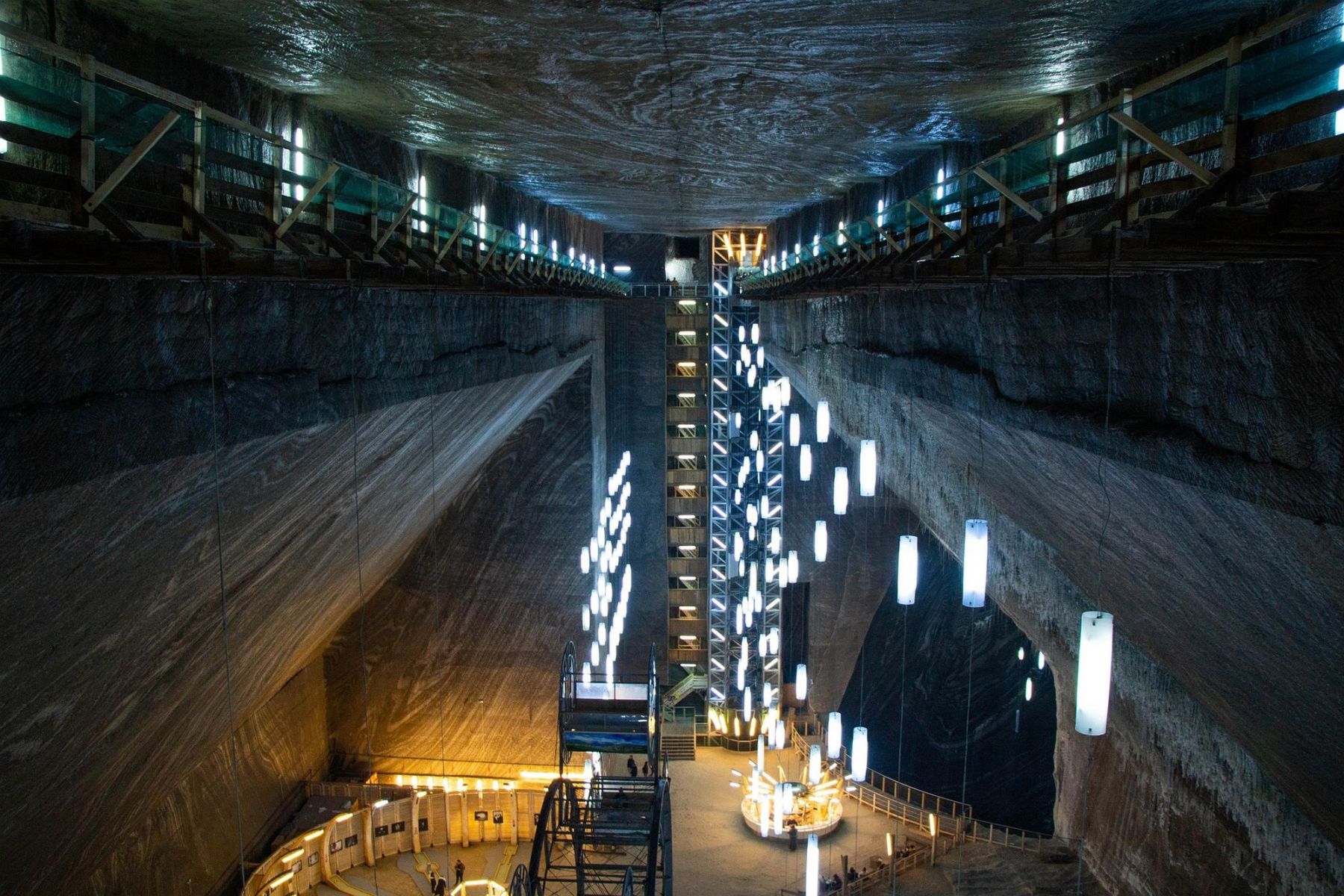

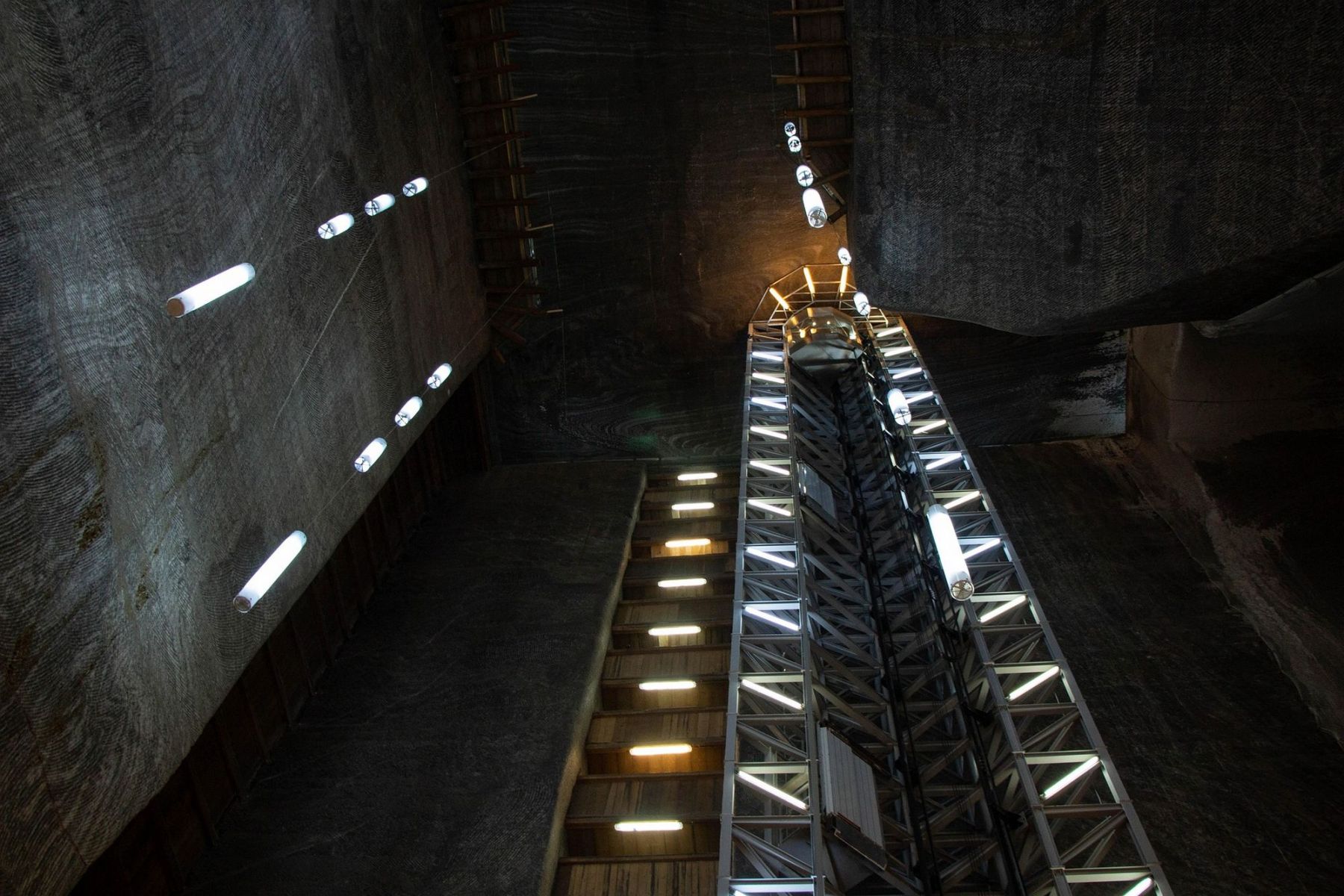
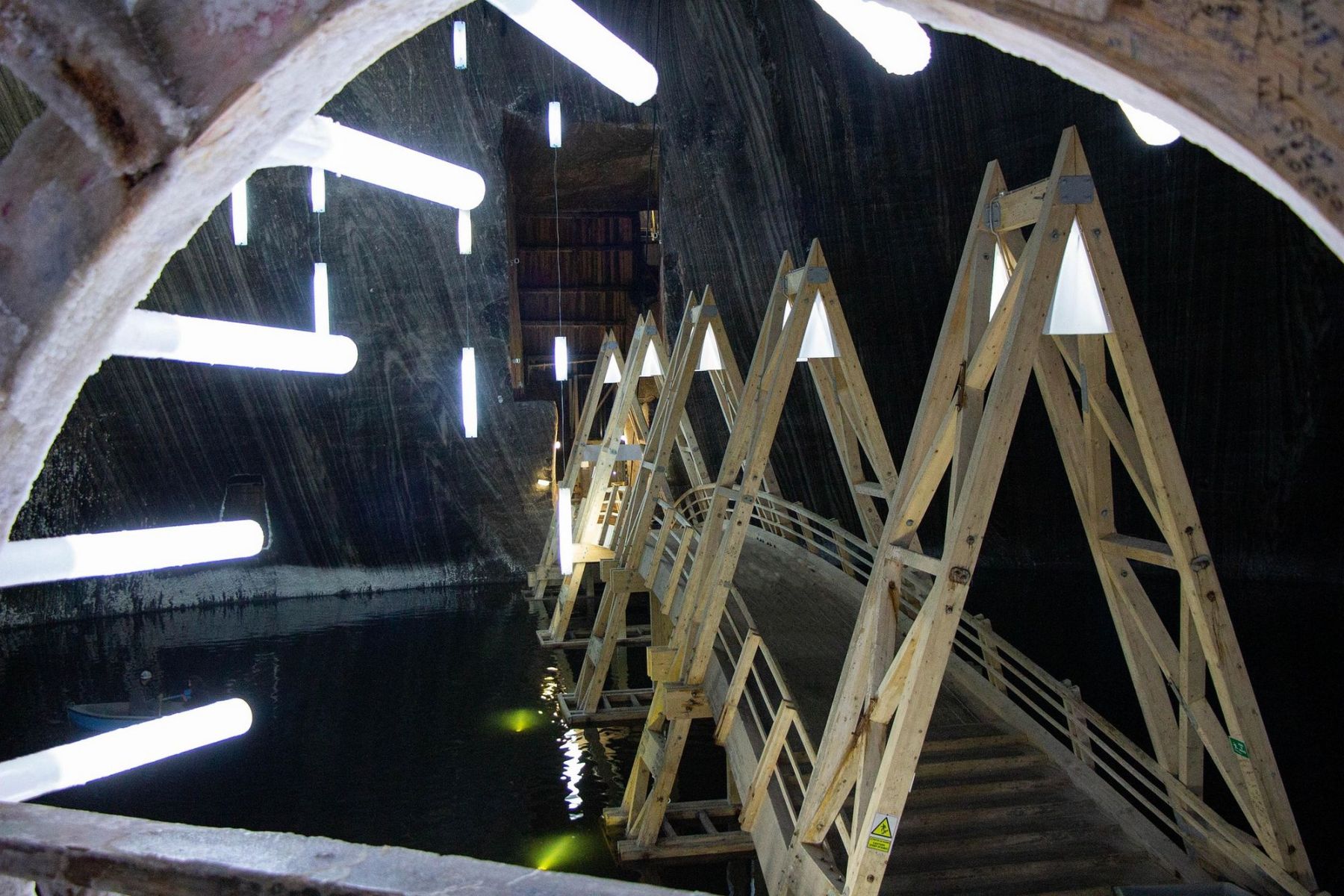
The city also benefits from its long-standing tradition of salt-based health tourism. The nearby Durgău salt lakes and spa facilities have made Torda an important destination for relaxation and wellness, continuing a tradition that stretches back generations.
Natural and Cultural Attractions
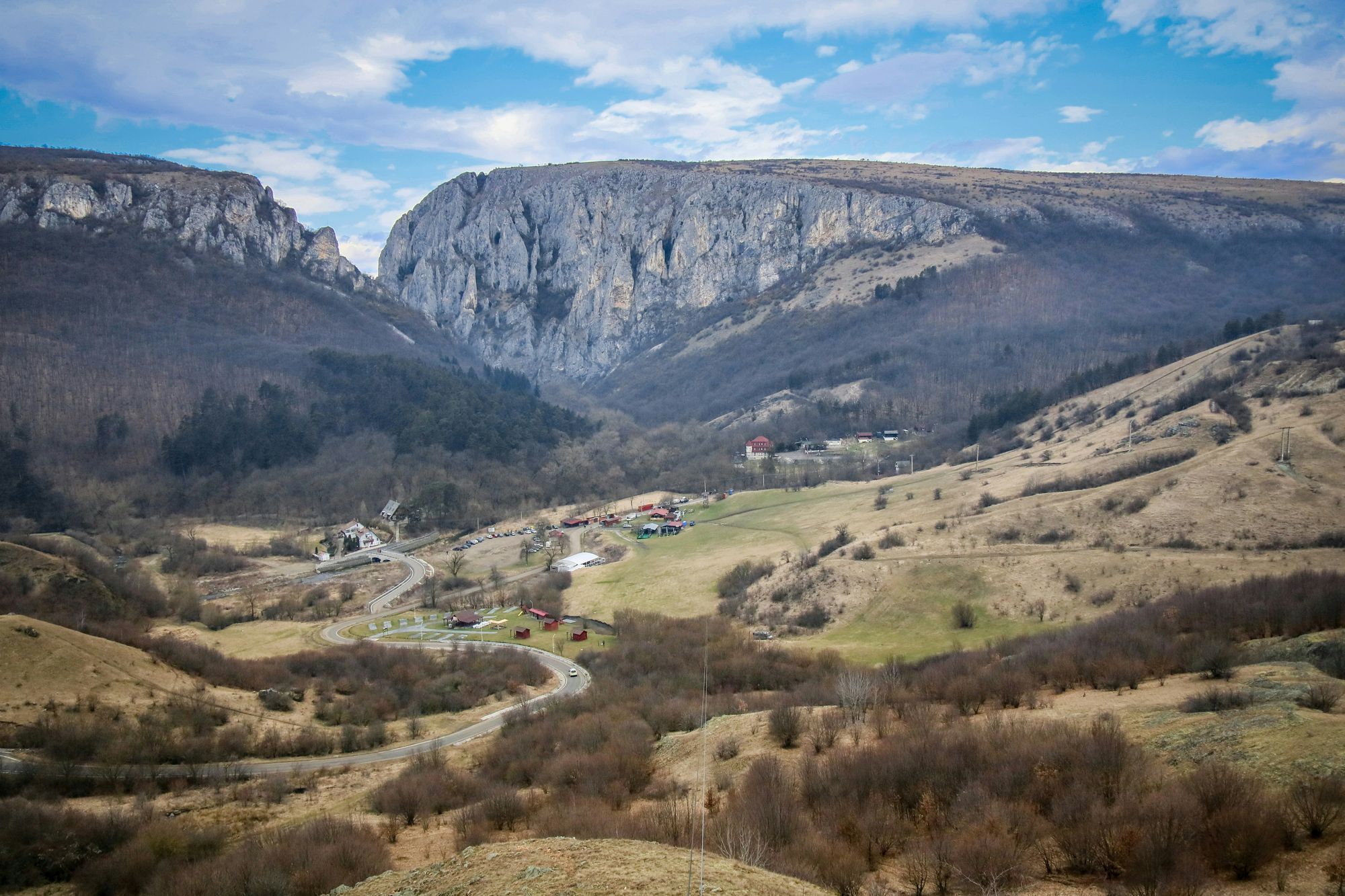
Just outside the city lies the spectacular Turda Gorge (Cheile Turzii), one of the most impressive natural landmarks in Transylvania. Carved by the Hășdate River through towering limestone cliffs, the gorge offers excellent hiking opportunities and breathtaking scenery.
Visitors can also explore Torda’s historic center, its churches, museums, and monuments, which reflect the city’s multicultural heritage. The city’s long history, stretching from Roman Potaissa through the medieval Kingdom of Hungary and into modern Romania, is visible throughout its architecture and urban landscape.
Among the cultural treasures associated with the story of religious freedom is the famous monumental painting by Hungarian artist Aladár Körösfői-Kriesch, depicting the proclamation of the Edict of Torda in 1568. The artwork remains one of the most recognizable artistic representations of this historic event.
Visiting Torda
Whether you are interested in the roots of religious tolerance, the heritage of Transylvanian Unitarianism, spectacular natural landscapes, or the remarkable world of underground salt mining, Torda offers an unforgettable experience. As the city where one of Europe’s most significant declarations of religious freedom was proclaimed, it remains an essential destination for anyone exploring the spiritual, cultural, and historical heritage of Transylvania.