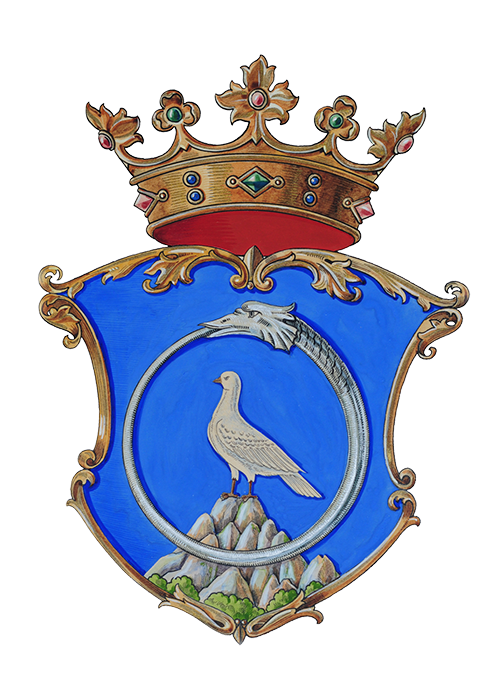
Organization of the Hungarian Unitarian Church
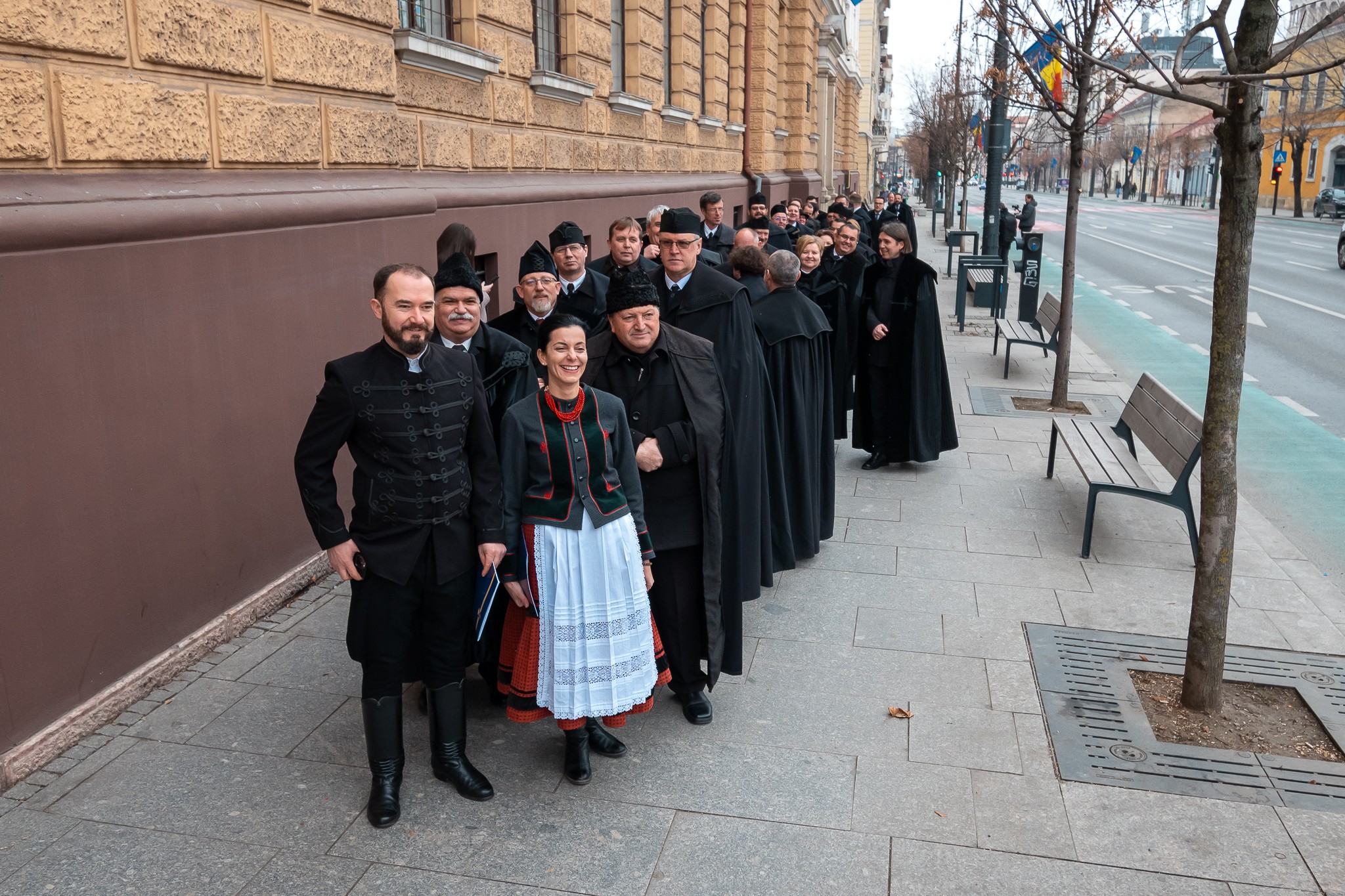
The Unitarian Church is the only church founded by Hungarians. As the youngest branch of the Reformation, it was established in Cluj-Napoca (Kolozsvár), and its institutional existence is traditionally dated from January 13, 1568.
The Hungarian Unitarian Church assumed its present form in 2012, following the reunification of the Unitarian churches of Transylvania and Hungary. The Church has approximately 45,000 members, the majority of whom reside in Transylvania, with a significant community also present in Hungary. The Church’s headquarters is located in Cluj-Napoca (Kolozsvár).

Kovács István
Bishop

Farkas Emőd
Lay President

Sándor Krisztina
Lay President

Andrási Benedek
Vicar General

Lőrinczi Lajos
Director of Public Relations

Kriza János
Vice Bishop

Elekes Botond Áron
District Lay President
The Church is organized on three levels:
- Congregations (local communities)
- Church Districts in Transylvania and the Unitarian Church District of Hungary
- The Church as a whole
Its structure is based on the synod-presbyterian principle, meaning that the Church is governed democratically at every level through elected bodies.
At the head of the Church stands the Bishop, supported by several senior officers: the Lay Presidents (Chief Curators), who represent the lay leadership, and the General Secretary (Chief Clerk), who oversees administrative functions and internal procedures. The Bishop is also assisted by a Deputy Bishop, who serves as the head of the Hungarian Unitarian Church District of Hungary. Governance is carried out in cooperation with the Consistory and the Synod. Each organizational unit has legal personality.
Congregations
The fundamental unit of the Church is the congregation: an organized community of Unitarians within a defined geographical area. These communities provide the framework for religious life and communal worship.
Congregations function in several forms based on their resources:
- Mother congregation: a fully established community with its own church building, a settled minister, and the capacity to sustain weekly worship.
- Associated congregation: two or more communities that jointly support a minister while maintaining their own regular services.
- Daughter congregation (filia): a smaller community with a place of worship and at least monthly services, administratively linked to a mother congregation.
- Diaspora and scattered communities: geographically dispersed groups with less frequent services, affiliated with a larger organizational unit.
Regional Structure
Congregations are organized into intermediate bodies:
- in Transylvania: 6 Church Districts
- in Hungary: the Hungarian Unitarian Church District of Hungary
These units coordinate cooperation among congregations and provide the administrative framework for the Church’s operation.
Summary
The organization of the Hungarian Unitarian Church is built upon local communities while ensuring the unified functioning of the Church as a whole. Its purpose is to provide the conditions for religious life, strengthen communities, and support the fulfillment of the Church’s mission.