Table of Contents
- The Reformation and the Birth of Unitarianism
- The Formation of the Unitarian Church
- The Edict of Torda and Religious Freedom (1568)
- Consolidation and Internal Challenges in the 17th Century
- Under Habsburg Rule: Restriction and Survival (1690–1780)
- Renewal in the Age of Toleration (1781–1848)
- Losses and Survival in the 20th Century
The Reformation and the Birth of Unitarianism
The Reformation is a general term referring to the various movements that aimed to reform the Roman Catholic Church in Europe during the 16th century. Beginning with Martin Luther, the Reformation had a profound political, religious, and social impact throughout Europe. After 1541, Hungary was divided into three parts. The teachings of Luther and Melanchthon were the first to spread throughout Hungary, followed by those of the Helvetic reformers: Ulrich Zwingli, Heinrich Bullinger, Théodore de Bèze, and Jean Calvin. In Transylvania, alongside the Lutheran and Helvetic movements, the anti-Trinitarian movement also emerged.
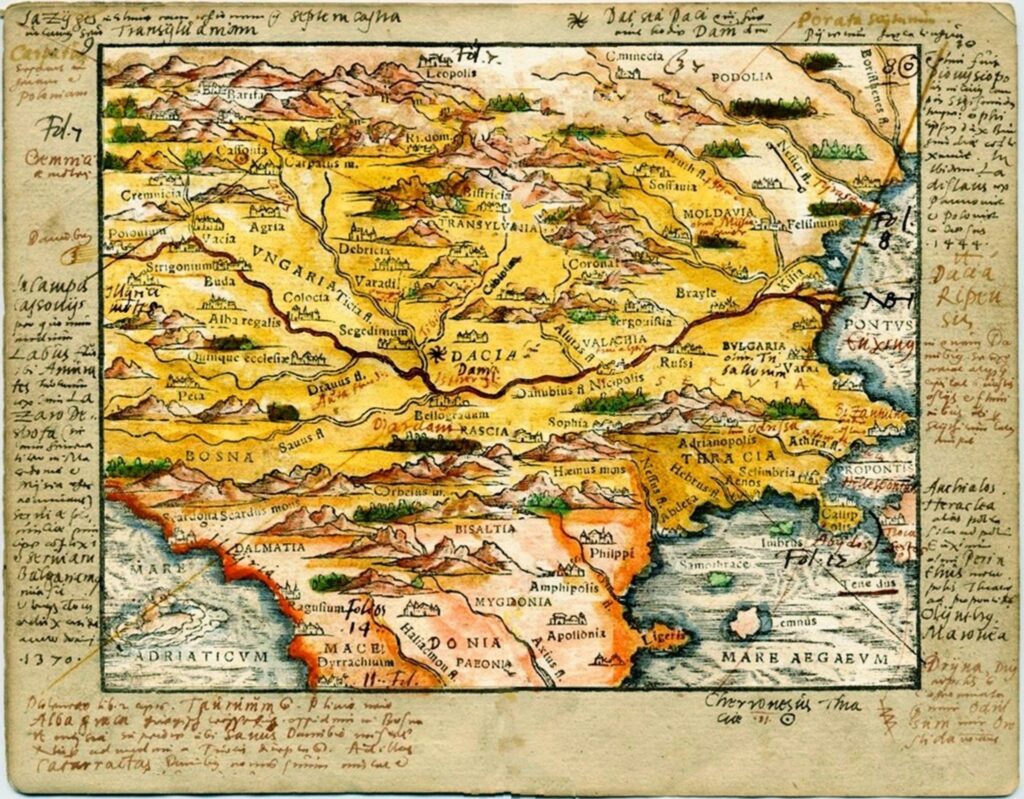
The cradle of Unitarianism is the city of Cluj (Kolozsvár). As a radical branch of the Reformation, Unitarianism enjoyed great success, especially in Transylvania. The founder and first bishop of the Unitarian Church in Transylvania was Ferenc Dávid (1520–1579). He was born in Kolozsvár into a family of Transylvanian Saxons. Following the Humanist custom of the time, Dávid adopted the Latinized name Franciscus Davidis, derived from his father’s given name. He received his education in Gyulafehérvár (Alba Iulia) and Brassó (Brașov), and later continued his studies at the University of Wittenberg between 1545 and 1550. After returning to Transylvania, he became a schoolteacher in Beszterce (Bistrița) in 1551, then a minister in Petres (Petriș) in 1552, before returning to Kolozsvár. In 1555, because of his rhetorical skill, he was appointed Lutheran minister to the Transylvanian Saxons in the city. As one of the most accomplished clergymen in Kolozsvár during the latter half of the decade, he played a significant role in the religious debates of the time. As a result, Dávid strengthened his reputation and was elected bishop of the Hungarian Lutherans in Transylvania in 1557.
The Formation of the Unitarian Church
At the end of the 1550s, there were two Protestant dioceses in Transylvania, organized along administrative, territorial, and ethnic lines. One diocese had its headquarters in Nagyszeben (Sibiu) and comprised the Saxon administrative divisions, while the other had its headquarters in Kolozsvár and comprised the territories inhabited by Hungarians, regardless of their religious affiliation. As a consequence of Calvinist influence and the debates concerning the Eucharist, in 1559 Dávid revised his beliefs regarding the Lord’s Supper and resigned from his position as Lutheran superintendent (bishop) of the Hungarians in Transylvania. The theological controversies of the second half of the 1560s focused on the doctrine of the Holy Trinity. Deeply influenced by the new theological perspective supported and preached by the Italian physician Giorgio Biandrata (1515–1588), who was the prince’s personal physician and diplomat, Dávid adopted a new perspective based on the theology of Michael Servetus that Biandrata had shared with him. This new theological turn resulted in the deterioration of his relationship with his former colleagues. From 1566 onwards, Dávid and Biandrata were the leading figures in the Unitarian debates.
The Edict of Torda and Religious Freedom (1568)
One of the most significant accomplishments of the Reformation in Transylvania was the decree granting the freedom to preach the Gospel according to one’s understanding of it, which also established religious tolerance among the recognized (received) religions. In January 1568, the Transylvanian Diet gathered at Torda (Turda), proclaiming the following law:
“His Majesty, our Lord, in what manner he—together with his realm—legislated in the matter of religion at the previous Diets, in the same matter now, in this Diet, reaffirms that in every place the preachers shall preach and explain the Gospel each according to his understanding of it, and if the congregation like it, well. If not, no one shall compel them, for their souls would not be satisfied, but they shall be permitted to keep a preacher whose teaching they approve. Therefore, none of the superintendents or others shall abuse the preachers, no one shall be reviled for his religion by anyone, according to the previous statutes, and it is not permitted that anyone should threaten anyone else by imprisonment or by removal from his post for his teaching. For faith is the gift of God and this comes from hearing, which hearing is by the word of God.”
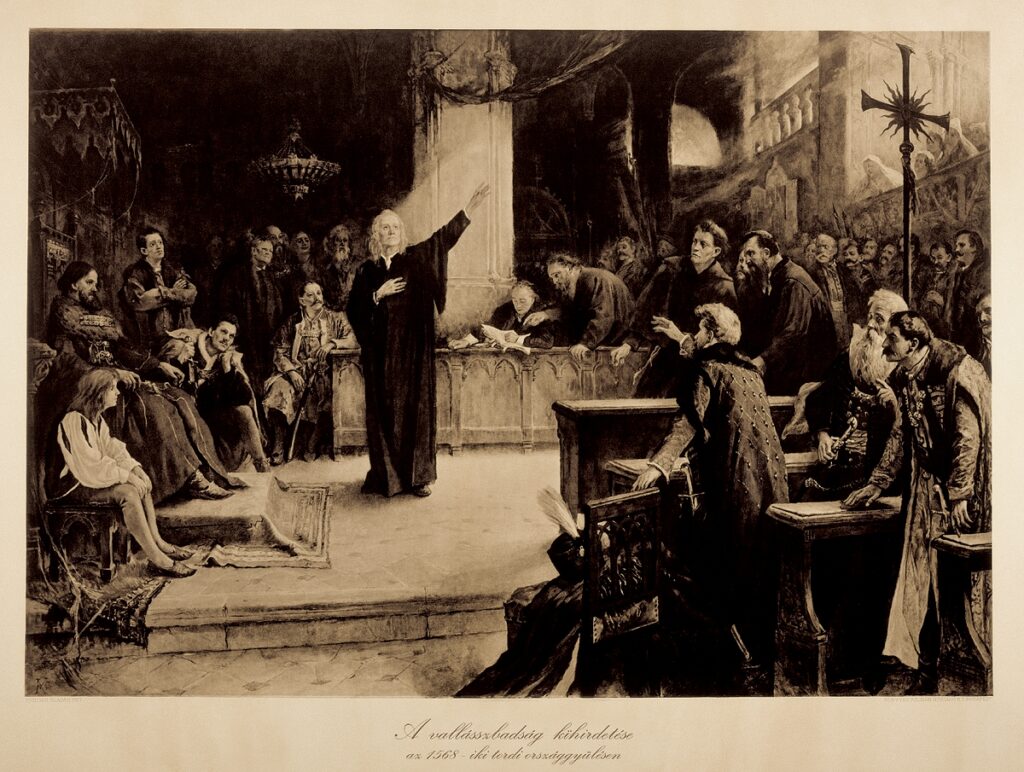
Local supporters of religious tolerance were inspired not only by Erasmus’ humanist spirit, but also by the arguments for tolerance promoted by Sebastian Castellio (1515–1563). The law passed at Torda made it easier for Unitarianism to gain official recognition and allowed Anti-Trinitarian theologians persecuted in Western Europe to seek refuge in Transylvania. As a result of the influence of these theologians settled in Kolozsvár during the 1570s, the city school became a preeminent center of Anti-Trinitarian theology and philosophy. Its most famous teachers included the poet Johann Sommer (1542–1574), who founded the Schola Latina in Cotnari, the Greek theologian Jacobus Palaeologus (1520–1585), the Hebraist Matthias Vehe-Glirius (1545–1590), and the philosopher Christian Francken (1549–1610). Under their influence, Ferenc Dávid developed what later became known as a non-adorant Christology, which rejected the legitimacy of prayers addressed to Jesus, maintaining that the faithful should pray only to God. This new movement, initially referred to as “Arian,” spread through most Transylvanian Hungarian communities in the 1570s and encompassed approximately 450 churches across 13 dioceses. These religious debates also contributed to the spread of Unitarianism beyond the borders of historical Transylvania, reaching the regions of Nagyvárad (Oradea) and parts of modern-day Hungary.
Consolidation and Internal Challenges in the 17th Century
After the death of Prince John Sigismund (1540–1571), the Transylvanian throne was occupied by the Catholic members of the Báthory family. This family’s religious politics favored the restoration of the Catholic Church in Transylvania. Stephen Báthory (1533–1586) did not demand the extinction of Unitarianism, but he did try in all ways to diminish their influence. The most efficient repressive methods were the enactment of censorship and the 1572 anti-innovation Law, which prevented anyone from preaching any new ideas or doctrines. It was the enforcement of this law that brought Ferenc Dávid to his tragic end. Around the middle of the 1570s, the Unitarian bishop adopted non-adorant theology and thus abandoned Christ’s veneration and invocation, and he also rejected children’s baptism. Although Biandrata considered it a fatal error, Dávid decided to bring his principles, influenced by Sommer and Palaeologus’ ideas, before the Synod. The Italian doctor and politician believed that Dávid was thus jeopardizing religious unity, which had been obtained through such great struggle, and tried to persuade him to return to the theological position approved in 1571.
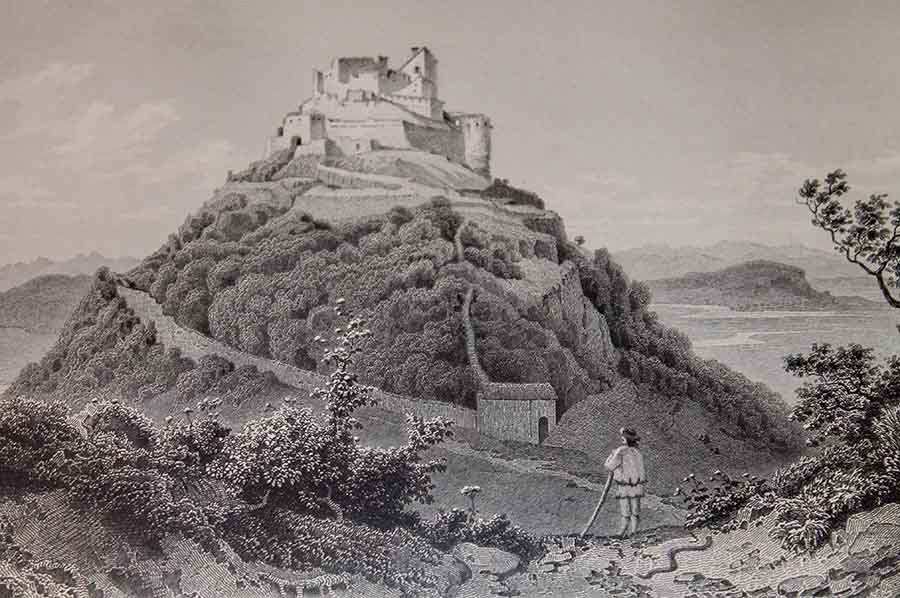
The much-hoped compromise proved to be a failure. Lacking the means to stop Dávid, Biandrata denounced him to the prince for violation of the anti-innovation Law. The case was brought before the Diet in Gyulafehérvár (Alba Iulia), where the severely ill bishop was judged and condemned for religious innovation; he was imprisoned at Déva, where he passed away on November 7, 1579.
The Transylvanian princes respected the system of the receptae religiones, that is, the accepted religions, which had their representatives in the Transylvanian Diet. Gabriel Bethlen (1580–1629), the most important ruler of the 17th century, contributed as a statesman to the consolidation of the Calvinist denomination, but he also supported other faiths: he allowed the reinstatement of the Jesuits in Transylvania and the publication of the Catholic Bible translated by György Káldi. He provided shelter to the persecuted Anabaptists as well as to Jewish merchants.
During the first half of the 17th century, the existence of the Unitarian Church was jeopardized by the movement of the Székely Sabbatarians (Judaizers). The founder and main organizer of the Sabbatarian movement was Simon Péchi (1570?–1642?), chancellor of Prince Gabriel Bethlen. He managed to spread Jewish practices within the Unitarian communities in Maros (Mureș) and Udvarhely (Odorhei) counties. The Sabbatarians, unlike the Unitarians, respected Jewish law and observed the Sabbath. Their practices were condemned as early as 1595, but their persecution only began under Prince Bethlen.
The influence of the Unitarian Church in the 17th century decreased due to various factors, such as dogmatic emphases or political pressure from the prince. As a consequence of the unusually long process, the Unitarian community failed to formulate a creed which could have brought all the Unitarians’ religious opinions to a common denominator. In the first half of the 17th century, there was a parallel use of at least three Unitarian Catechisms, with slightly different dogmatic accents. The so-called Disciplina Ecclesiastica appeared in 1626 in order to regulate and unify church life and ensure homogeneity of the liturgical practices. The Diet held on July 1, 1638, in Dés (Dej) decided on both Sabbatarian and Unitarian matters. The Unitarian community was compelled to abandon non-adorantism and formulate a new unified creed. From the 1660s onwards, the Unitarians complied with the dogmatic requirements imposed on them. Christ was venerated and invoked in all churches, children were baptized, and Anabaptism was abandoned.
Under Habsburg Rule: Restriction and Survival (1690–1780)
In 1690, Transylvania became part of the Habsburg Empire. This brought about important political and religious changes. The country’s political and religious status was legally sanctioned through the Diploma Leopoldinum, valid from 1691 to 1848, but the promises included in this document were never respected. The restitution claims of the Catholic Church shattered the chances of interdenominational peace. In 1692, the Diet in Nagyszeben (Sibiu) delegated the issue of the Catholic claims to a committee made up of members of all accepted religions in order to find a peaceful solution. But the negotiations failed and, from 1712 onwards, Catholic supremacy was no longer restrained. During the reign of Charles III of Hungary (Emperor Charles VI of the Holy Roman Empire) and Maria Theresa (1717–1780), who imposed several restrictions concerning the holding of public office, the Unitarians were excluded from political life and, implicitly, from taking part in public debates and decision-making processes.
On March 30, 1716, the Unitarian community in Kolozsvár (Cluj) was forced by the army to surrender the church located in the center of the city, along with all its properties. The same happened to the nearby school, and many other places of worship were also forcefully occupied [e.g., Torda (Turda) (1721), Szentivánlaborfalva (Sîntion-Lunca) (1725), Szőkefalva (Seuca) (1745), Szentháromság (Troița) (1764), Sinfalva (Cornești) (1772), Abrudbánya (Abrud) (1778), Bordos (Bordoșiu) (1779) and Sepsikőröspatak (Valea Crișului) (1781)].
Among the most important 18th-century theologians were Mihály Gergely Almási (1655–1724), Mihály Lombárd Szentábrahámi (1683–1758), and István Agh (1709–1786). All were educated in Kolozsvár (Cluj) and continued their studies at prestigious universities in the Netherlands. After their return to Transylvania, each became a seminary teacher and was elected Unitarian bishop.
Renewal in the Age of Toleration (1781–1848)
The institutions of the Gubernium (the principal administrative authority in Transylvania during Habsburg rule), during the Counter-Reformation, systematically restricted and persecuted Protestants and excluded them from public office and provincial administration. The Unitarians were among those most affected by these measures. Along with the confiscation of church property and estates (schools, churches, etc.), their participation in political life was significantly reduced.
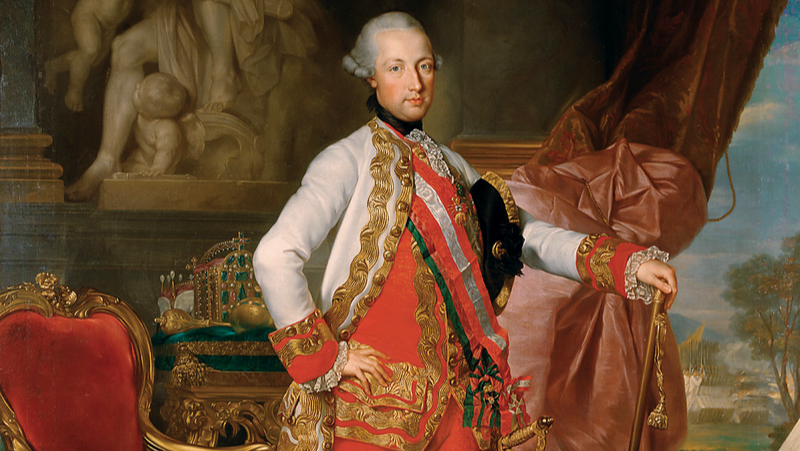
The reign of Joseph II (1780–1790) brought about important changes in the life of the Transylvanian Protestant churches. An adherent of the Enlightenment, Joseph II issued the Edict of Tolerance in 1781, a document designed to regulate the relationship between state and church and to address the situation of the Protestant and Orthodox faithful. Eventually, this edict allowed communities to build churches. As a consequence, the Unitarian Church experienced a period of revival and renovation, especially in its architecture. During the following twenty-five years, 38 churches, towers, and schools were built or repaired. In 1848, the Hungarian Diet at Pozsony granted equal rights to the recognized religious communities, which were thus able to coexist peacefully until the First World War.
Losses and Survival in the 20th Century
After the First World War, at the end of 1918, the properties of the Hungarian historic churches were gradually expropriated, threatening their very existence. The Decree-Laws of September 10, 1919, and July 9, 1920, were enforced through the agrarian reform of July 30, 1921. The Hungarian historic churches lost 84.55% of their agricultural and forest lands. The Unitarian Church owned 17,916 cadastral jugera (approximately 10,210 hectares or 25,230 acres), a modest area compared to the estates of other churches, of which it lost 11,389 jugera, amounting to 63.6% of its lands. The loss of a significant part of the Church’s real estate, together with the drastic reduction in state subsidies, brought about severe financial difficulties. The Unitarian schools in Kolozsvár (Cluj), Torda (Turda), and Székelykeresztúr (Cristuru Secuiesc), which had been supported entirely from income derived from agricultural and forest lands, were on the verge of closing.
After the Second World War, the nationalization laws of 1948 and 1949 deprived the churches of their remaining material assets, schools, archives, and libraries. The social institutions of the churches were no longer allowed to operate. Religious life and education remained confined within the church walls. The so-called Department of Cults gained full control over the Church, thereby restricting all of its activities.
The meetings of the church’s governing board and its districts, as well as the ministers’ conferences, were held only in the presence of inspectors of the Department of Cults. From 1972 onwards, several laws and decrees were issued that had a significant impact on the Hungarian minority, contributing to an accelerated process of cultural assimilation. Through the Cultural Heritage Law (Law no. 63/1974), the private collections of the churches, schools, and cultural institutions became property of the state. Through Decree no. 206/1974, the archives and libraries of all religious institutions passed under the jurisdiction of the State Archives. As a result of these decrees, the archives and libraries of the Hungarian churches, both rural and district-level, were removed from their original locations and transferred to various state institutions. Some of them suffered severe damage due to inappropriate storage conditions and management. The archive and library of the Unitarian school in Kolozsvár (Cluj) were transferred to the local branch of the Romanian Academy’s library, while those of the Unitarian school in Székelykeresztúr (Cristuru Secuiesc) were transferred to the Teleki Library in Marosvásárhely (Târgu Mureș). After the December 1989 regime change in Romania, the new context marked the beginning of the contemporary period in the history of the Unitarian Church.