Introduction
Hidden among the rolling hills of eastern Transylvania, Bözödújfalu (Romanian: Bezidu Nou) is one of the most distinctive heritage sites in the region. Once a thriving village known for its remarkable religious diversity and strong Unitarian community, it disappeared beneath the waters of a reservoir during the final decades of the twentieth century.
Today, visitors come not to see a living village, but to encounter its memory. The lakeside memorials, the surviving cemetery, and the stories preserved by former residents have transformed Bözödújfalu into a powerful symbol of loss, resilience, and remembrance.
A Village of Many Faiths
For centuries, Bözödújfalu was known throughout Transylvania for its unusually diverse religious life. Unitarians, Reformed Christians, Catholics, and members of the unique Sabbatarian and Jewish communities lived side by side, creating a rare example of coexistence in a region shaped by the ideals of religious tolerance.
The village is often regarded as a living heir to the spirit of the 1568 Edict of Torda. For generations, people of different faiths shared the same community in mutual respect and peace, thereby creating one of the most remarkable examples of religious coexistence in Transylvania.
The Unitarian congregation emerged during the Reformation and became one of the defining communities of the village. Historical records show that by the seventeenth century, the majority of the inhabitants were Unitarians. Despite periods of hardship and the loss of church property, the congregation remained active for generations and maintained its own church, school, and religious traditions.
The village’s religious history reflects the broader story of Transylvanian Unitarianism: perseverance, adaptation, and a commitment to freedom of conscience.
The Unitarian Heritage
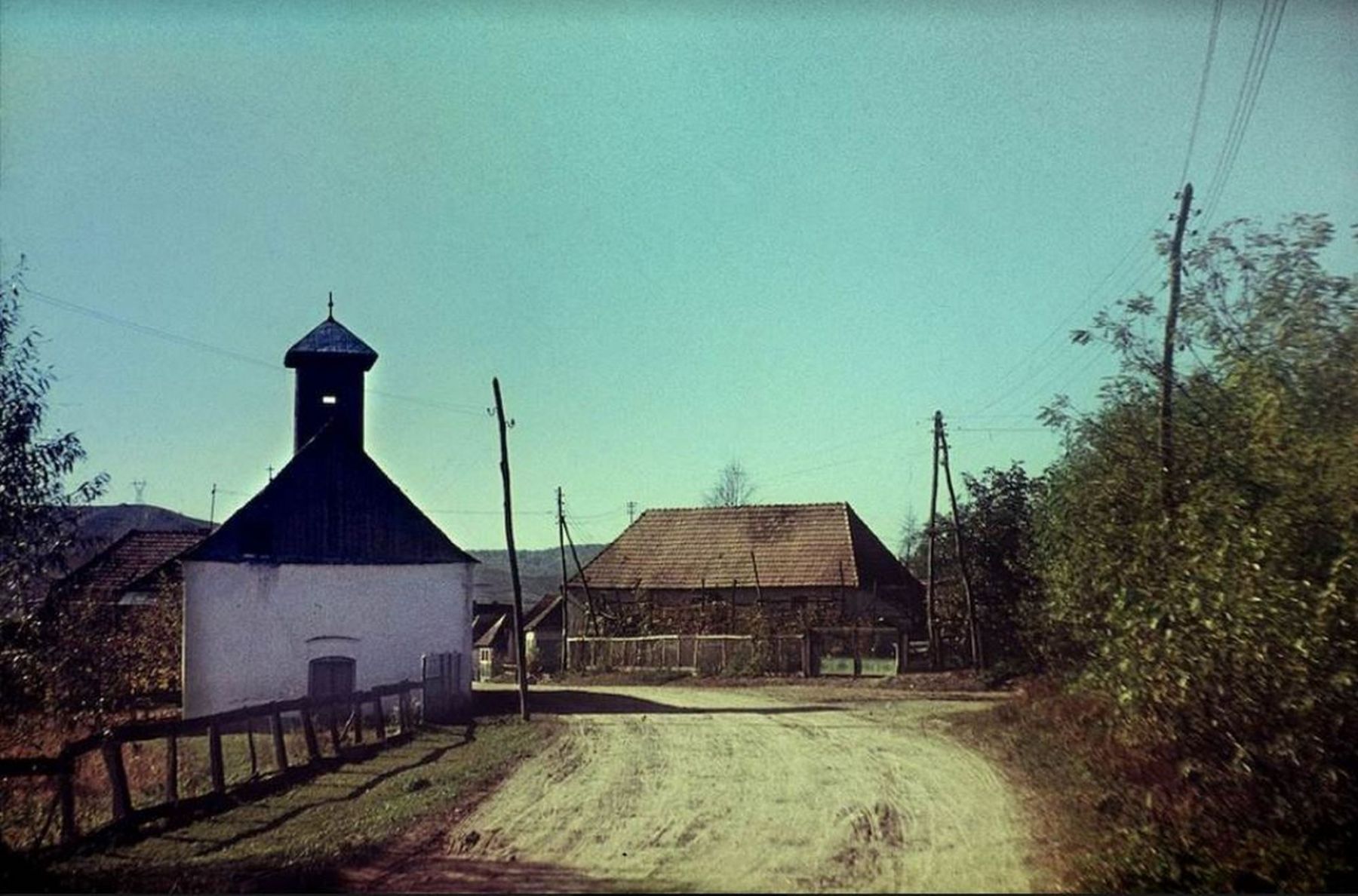
The Unitarian church that stood in Bözödújfalu was built between 1806 and 1810 after earlier places of worship had been lost. For nearly two centuries, it served as the spiritual center of the local community.
Although the building itself did not survive the flooding of the village, its memory remains an important part of the heritage preserved by the Hungarian Unitarian Church. Historical communion vessels, church records, photographs, and personal recollections continue to tell the story of a congregation that once flourished here.
Today, the memory of the vanished Unitarian community is preserved through the Csokfalva–Erdőszentgyörgy Joint Parish, which continues to care for this important spiritual heritage.
The Flooded Village
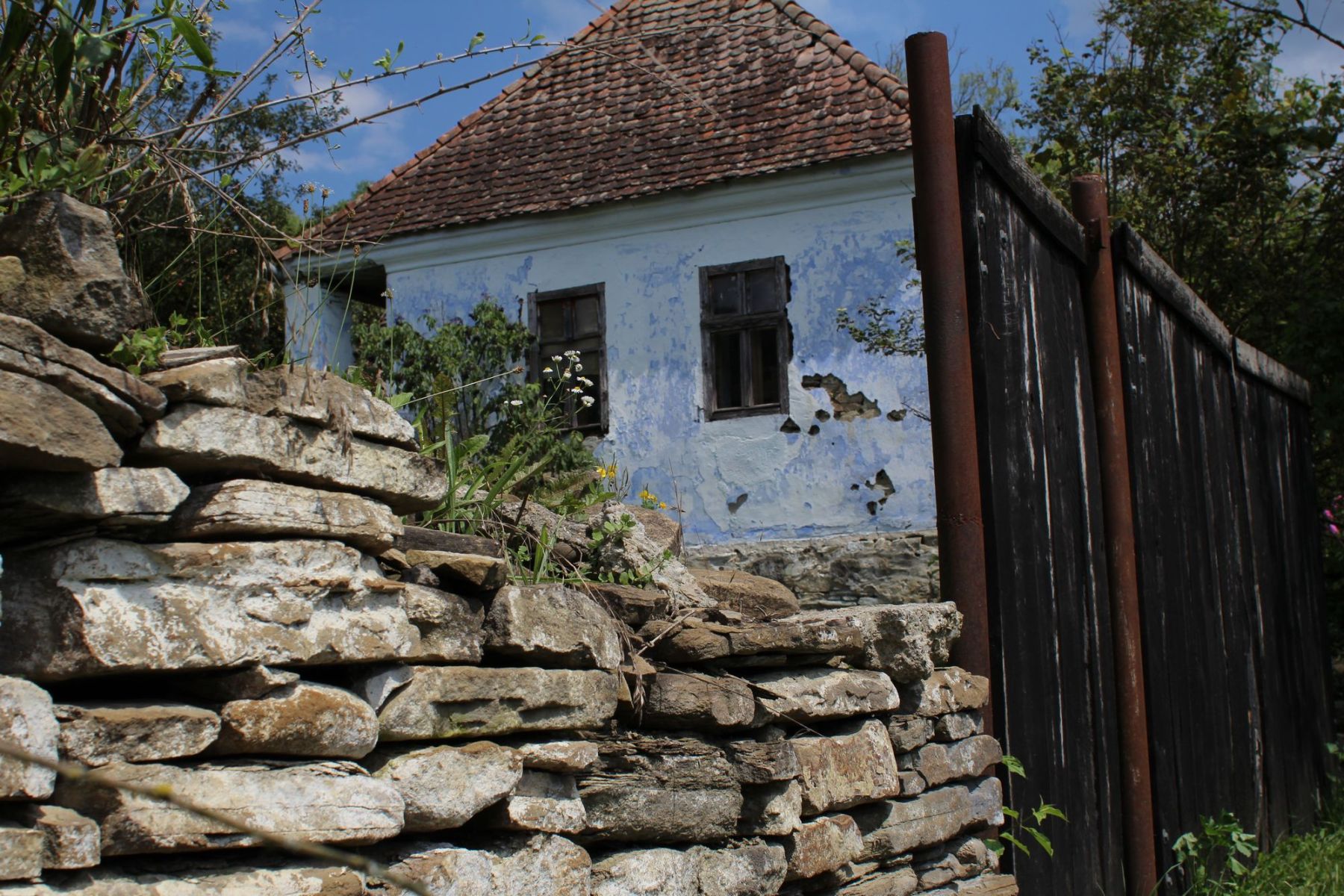
The fate of Bözödújfalu changed dramatically during the final decades of the communist era. In the 1970s and 1980s, a reservoir was constructed in the valley. Residents were gradually relocated, homes were demolished, and the village was ultimately submerged beneath the rising waters.
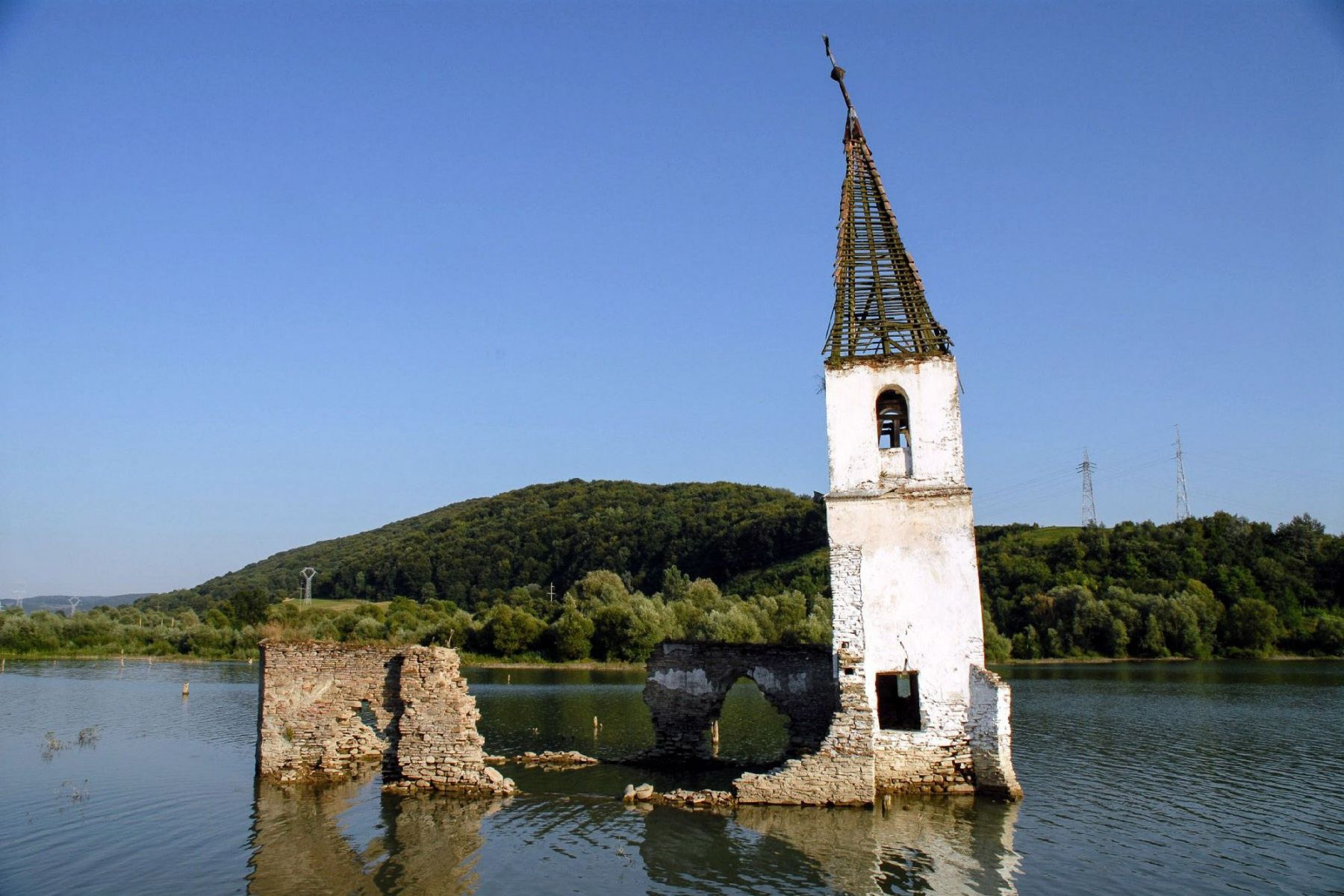
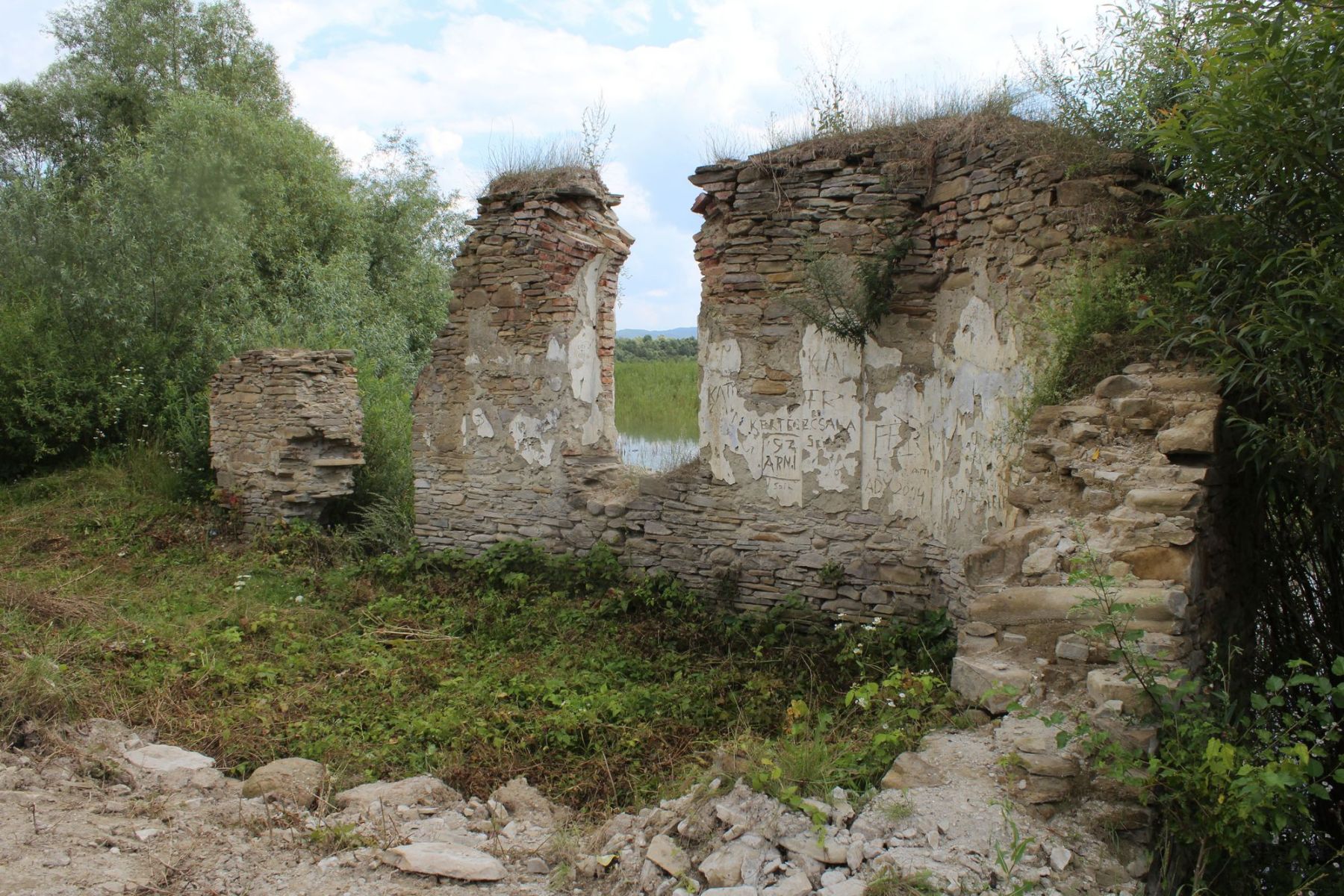
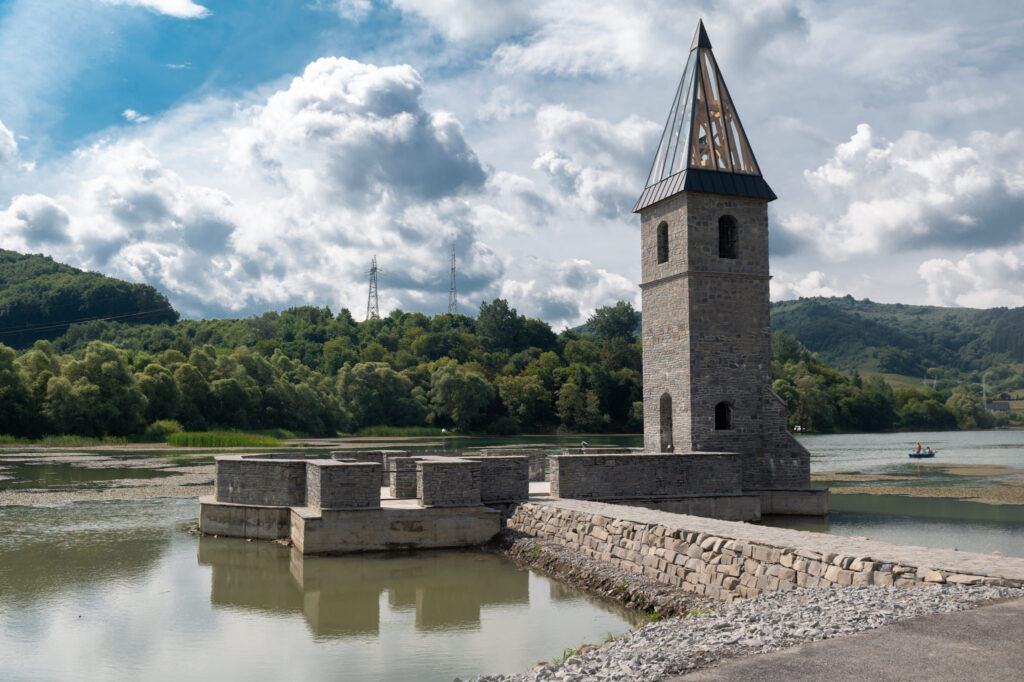
The remains of the church, especially its tower, became an iconic symbol of the tragedy. Standing above the water long after the village had disappeared, the tower served as a powerful reminder of the community that once lived here. The original structure finally collapsed in 2014.
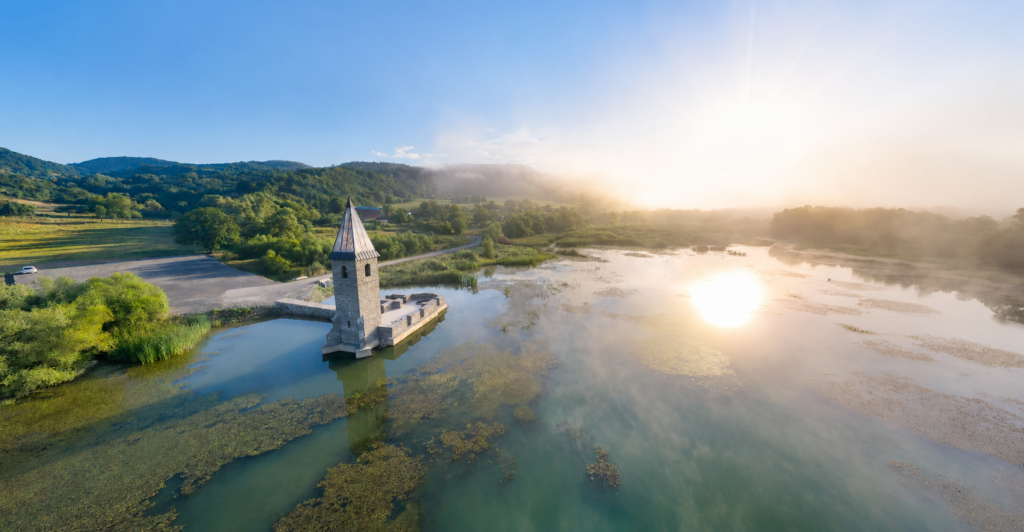
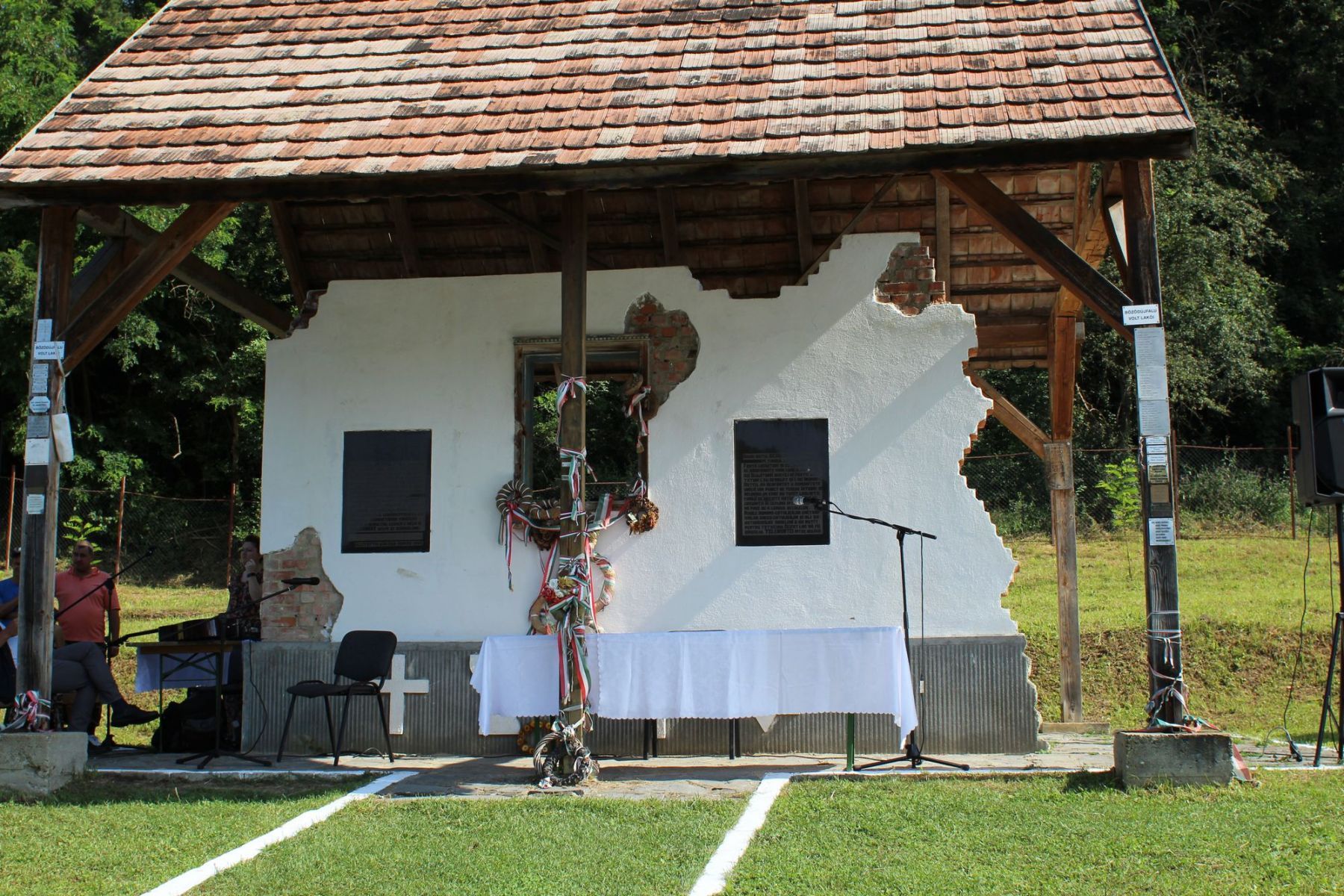
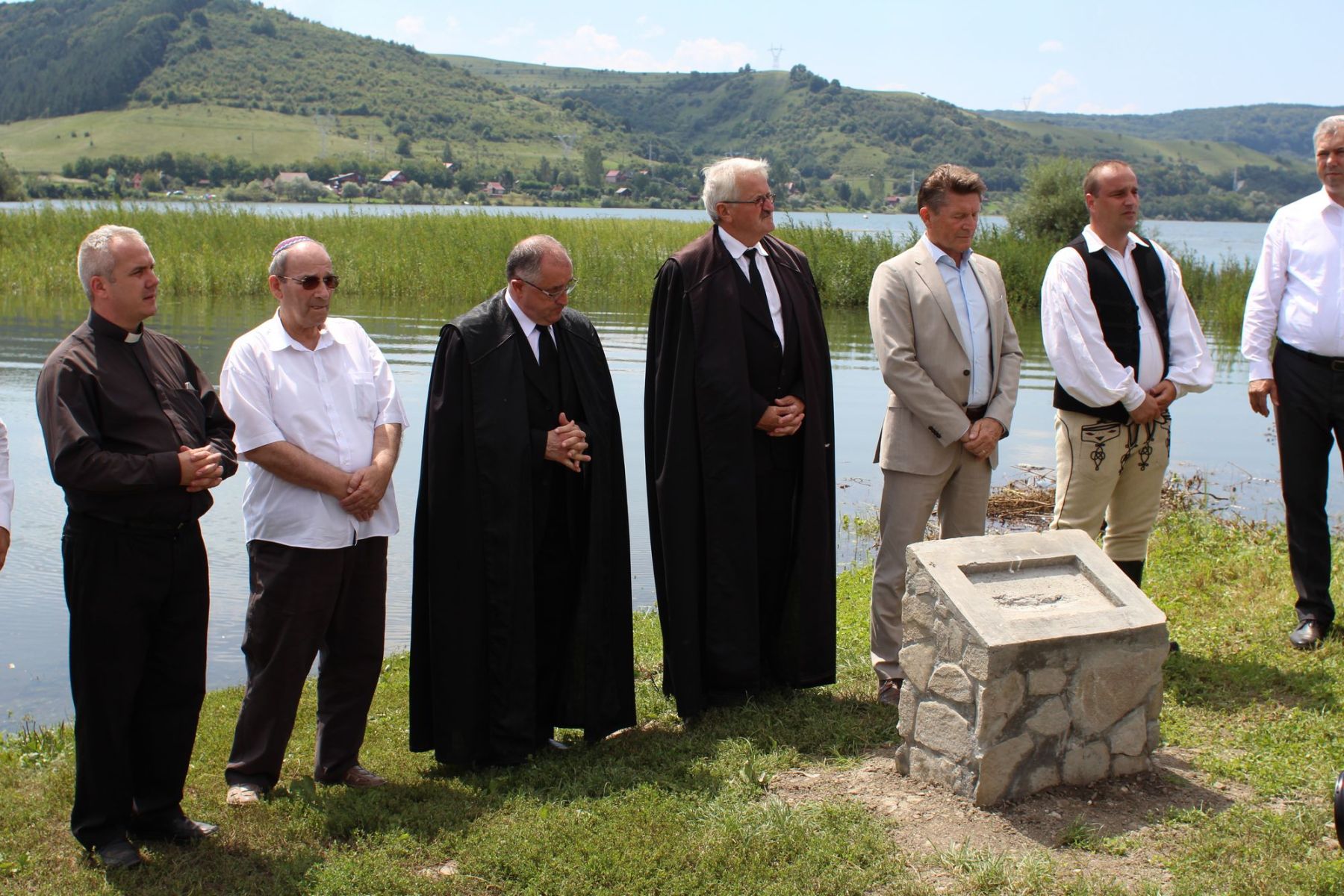
In recent years, new memorial structures have been created at the site, including a symbolic tower recalling the lost church. These initiatives reflect the continuing commitment of former residents and their descendants to preserve the memory of the village and strengthen the bonds that unite the dispersed community.
For many visitors, Bözödújfalu has become a place of reflection—an opportunity to consider the fragility of communities and the importance of preserving cultural and spiritual identity.
Memorial Site and Visiting Today
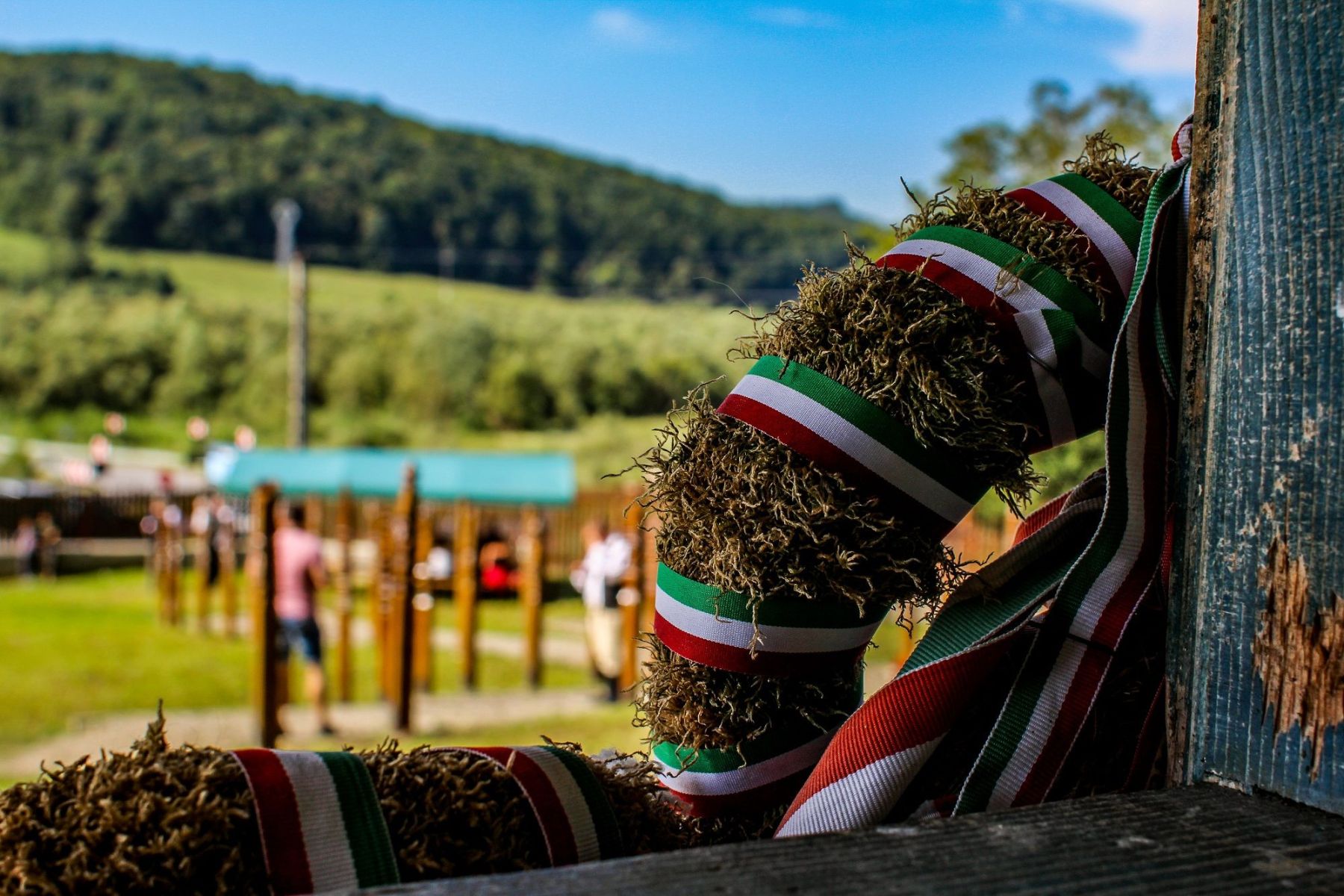
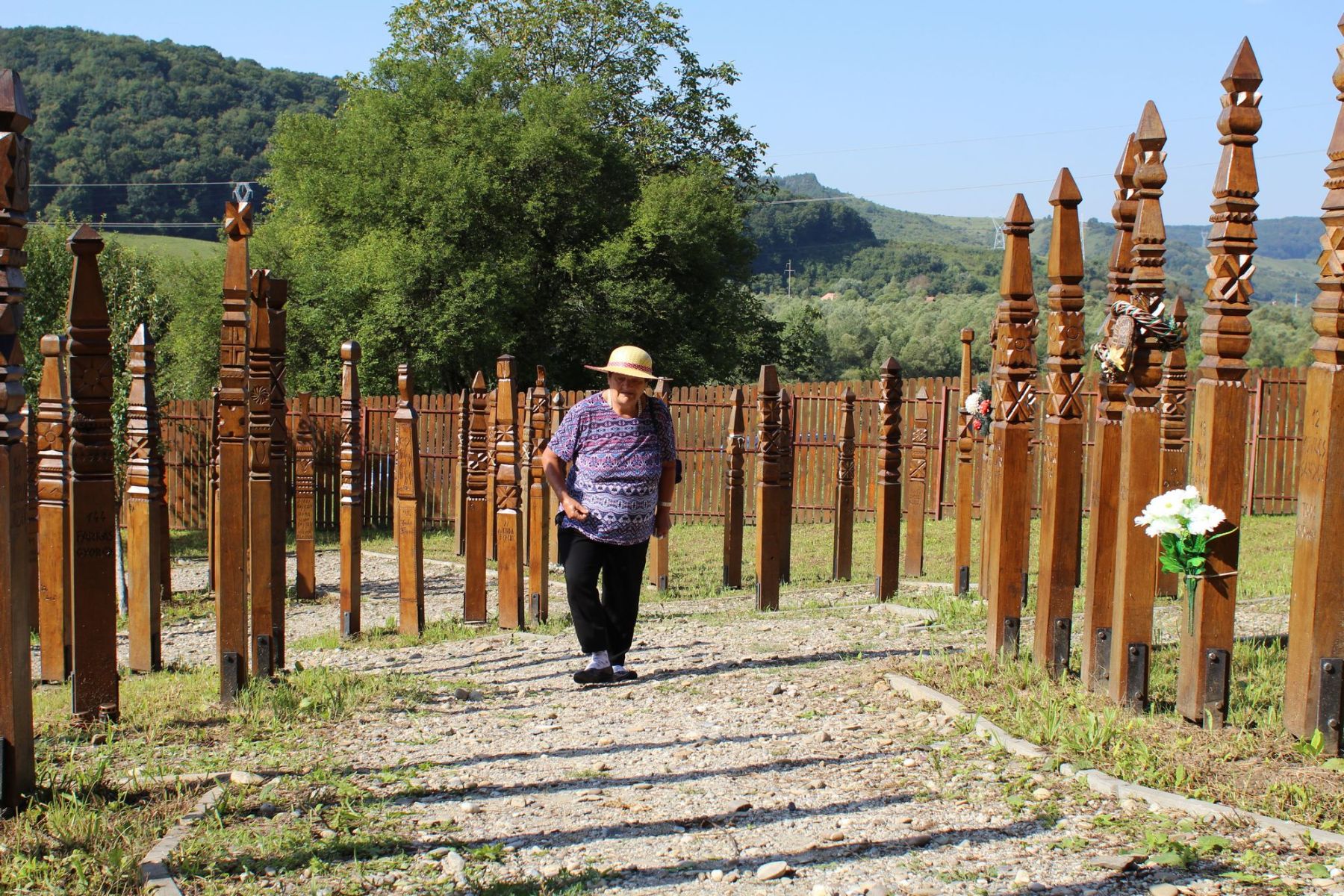
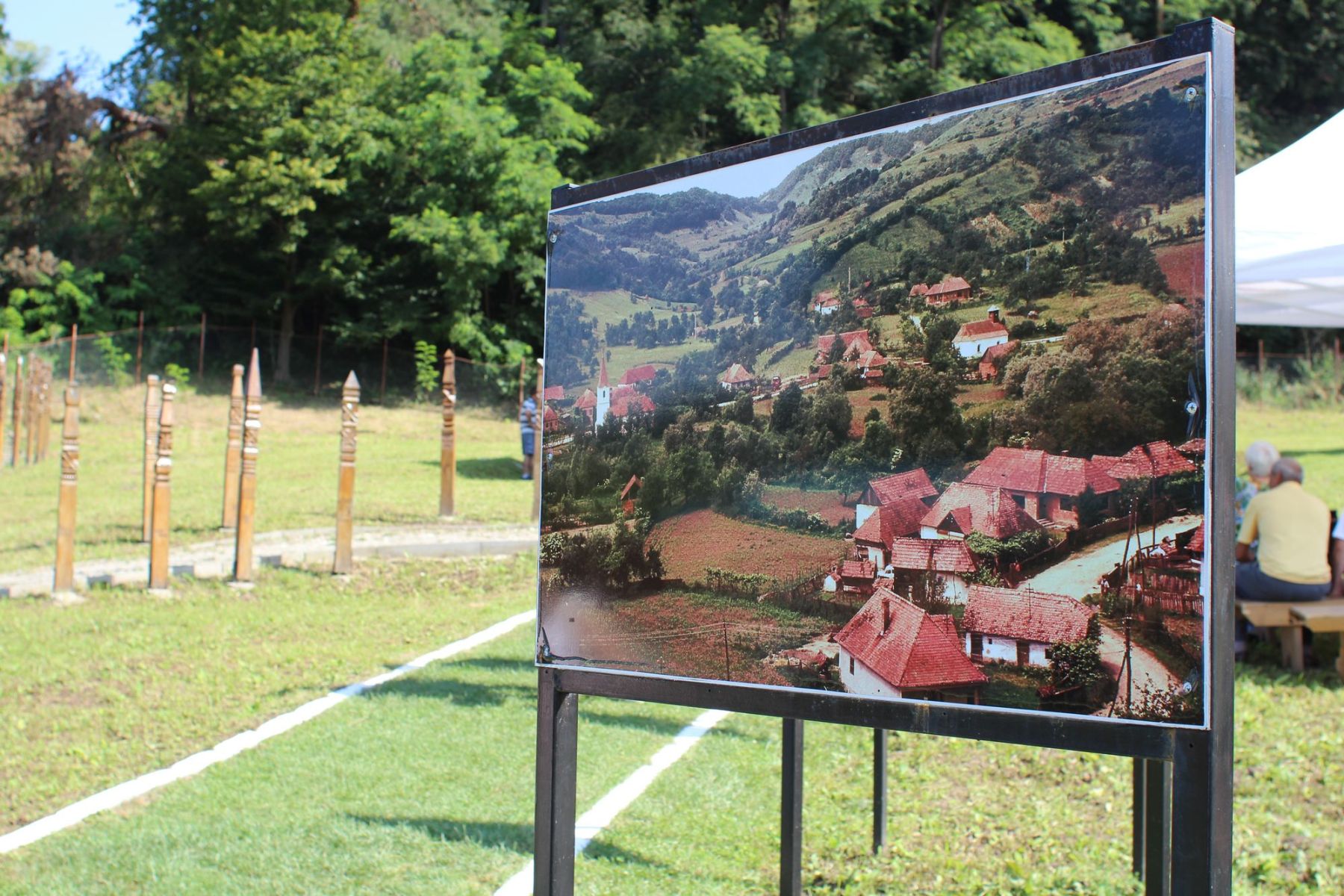
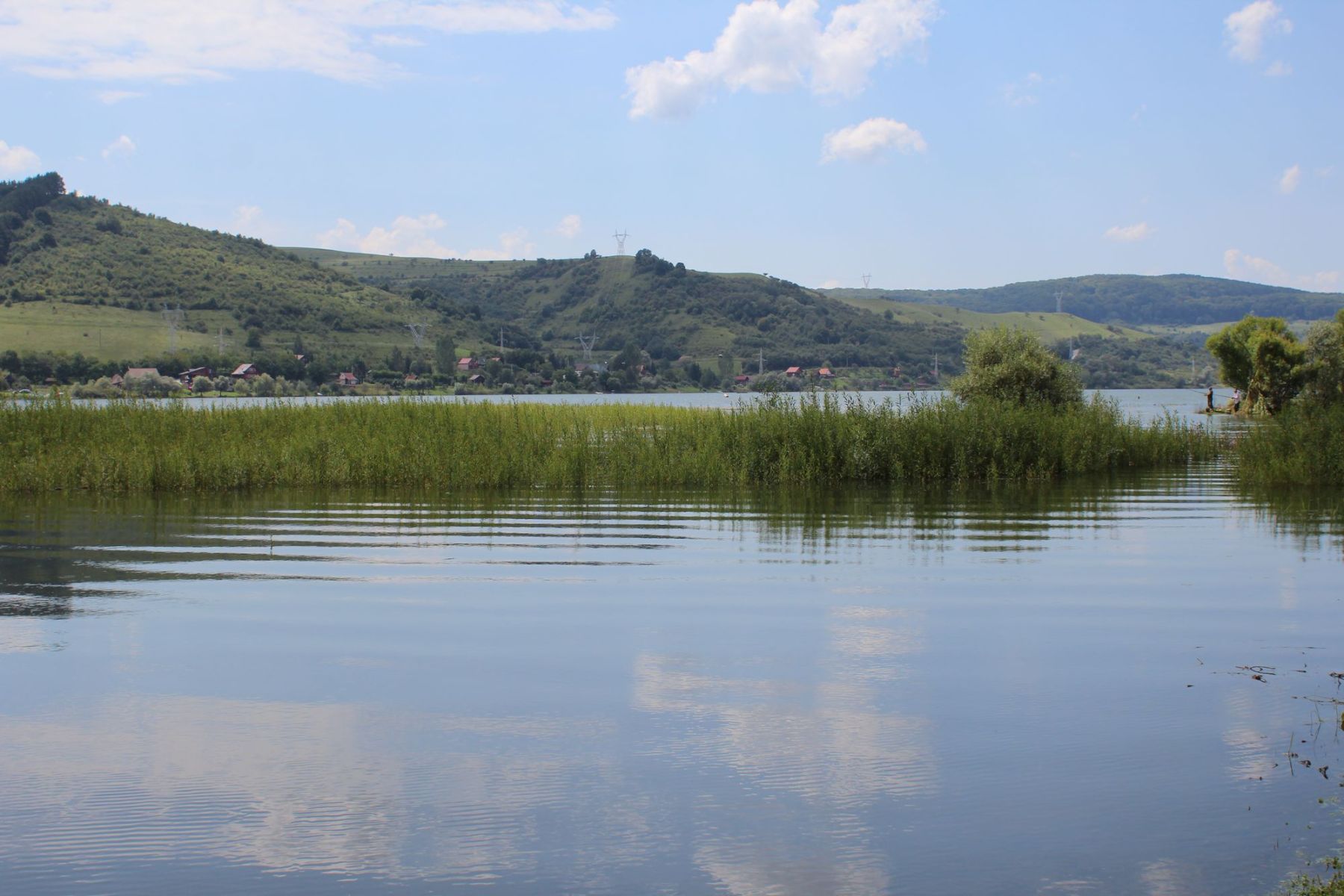
The shores of Lake Bezid now host a memorial area dedicated to the lost village. Visitors can see the commemorative wall listing the names of former streets and families, walk among the surviving graves of the old cemetery, and learn about the history of the community through local exhibitions and personal testimonies.
The peaceful landscape surrounding the lake contrasts strikingly with the dramatic story beneath its waters. This unique combination of natural beauty and historical memory makes Bözödújfalu one of the most memorable heritage destinations in Transylvania.
For former residents and their descendants, remembrance extends far beyond the memorials themselves. The surrounding hills, valleys, streams, and former farmland remain part of a living cultural landscape, preserving memories of everyday life, work, family, and community. Annual gatherings continue to bring people back to the places where generations once lived, strengthening the connection between the lost village and those who still consider it home.
Today, remembrance in Bözödújfalu is not only about loss. It is also about community, resilience, and the shared determination to preserve the cultural and spiritual heritage of a village that continues to live in the hearts and memories of those who still call it home.
Visiting Bözödújfalu
Bözödújfalu is not merely a lost village; it is a place where memory, faith, and history meet. For visitors interested in Transylvanian Unitarianism, religious freedom, local history, or the human stories behind cultural heritage, the site offers a deeply meaningful experience. Standing beside the waters that now cover the former village, one encounters not only the memory of a community, but also a powerful reminder of the value of preserving identity across generations.