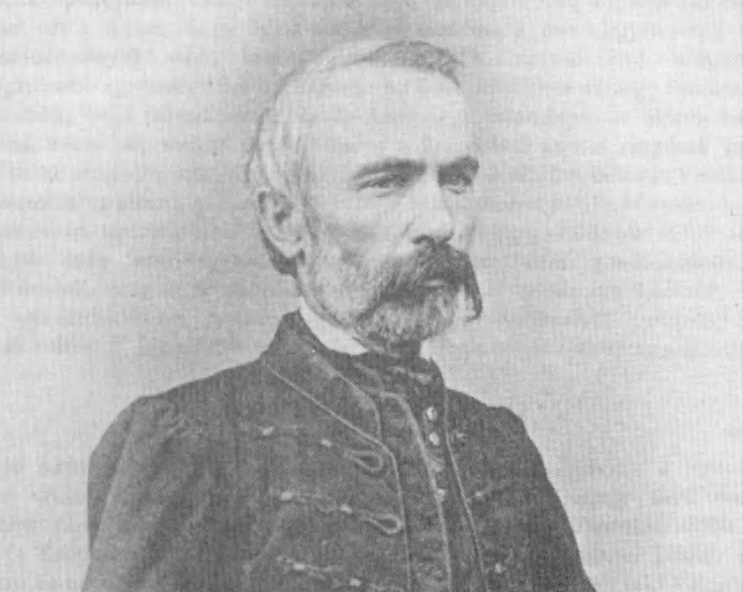
 Áron Berde was a Unitarian educator, economist, and public figure who played a major role in the modernization of Hungarian higher education and intellectual life in 19th-century Transylvania. Remembered as one of the leading institutional builders of his generation, he devoted his life to the advancement of academic learning, economic thought, and public welfare.
Born in Árkos (today Arcuș, Romania), Berde studied at the Unitarian College of Kolozsvár (Cluj-Napoca) before continuing his higher education abroad in Germany and Switzerland. Deeply influenced by contemporary European scientific and social currents, he became a strong advocate of modern practical knowledge and structural educational reform upon his return.
Berde served for many years as a professor at the Unitarian College and later became a leading figure of higher education in Transylvania. Following the historic establishment of the Franz Joseph University of Kolozsvár in 1872, he was appointed as the institution’s first Rector (Rector Magnificus), as well as professor of economics and public finance. In this dual capacity, he contributed significantly to establishing the institutional foundations of modern economic and academic scholarship in Hungarian public life.
Alongside his administrative and university activity, Berde published numerous works on economics, agriculture, education, and social issues. He firmly believed that the progress of civil society depended on accessible education, ethical public administration, and the practical application of scientific knowledge. His writings and lectures reflected a commitment to modernization while remaining deeply connected to the intellectual traditions of Transylvanian Unitarianism.