
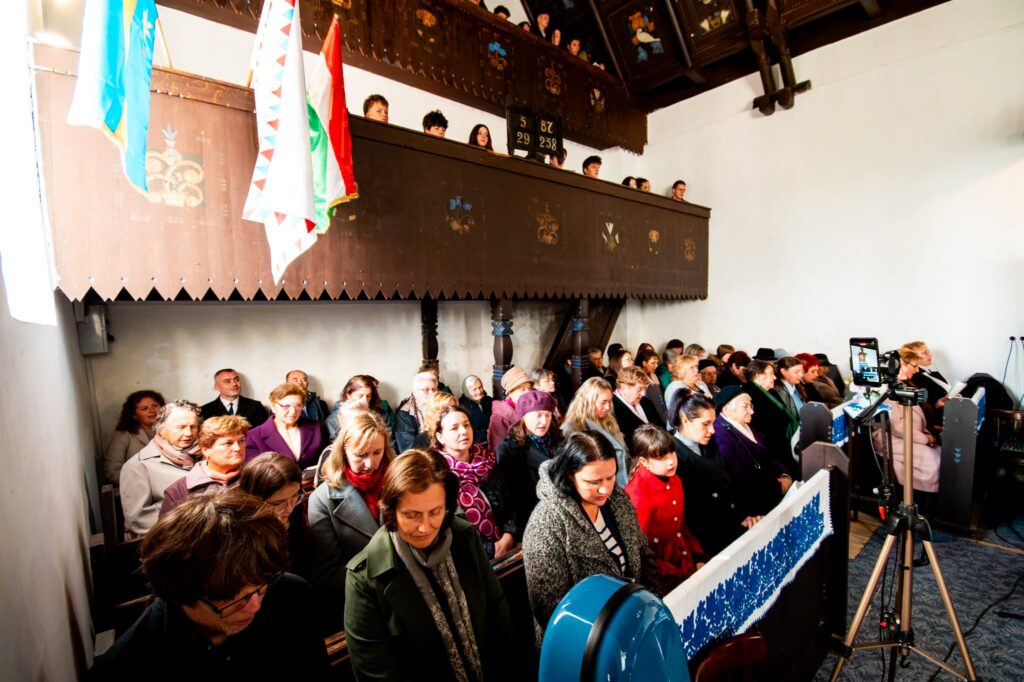
On October 24, 2026, the Hungarian Unitarian Church held one of the central events of the Ferenc Balázs Memorial Year in Mészkő (Cheia), Transylvania, commemorating the 125th anniversary of the birth of the Unitarian minister, writer, and community organizer.
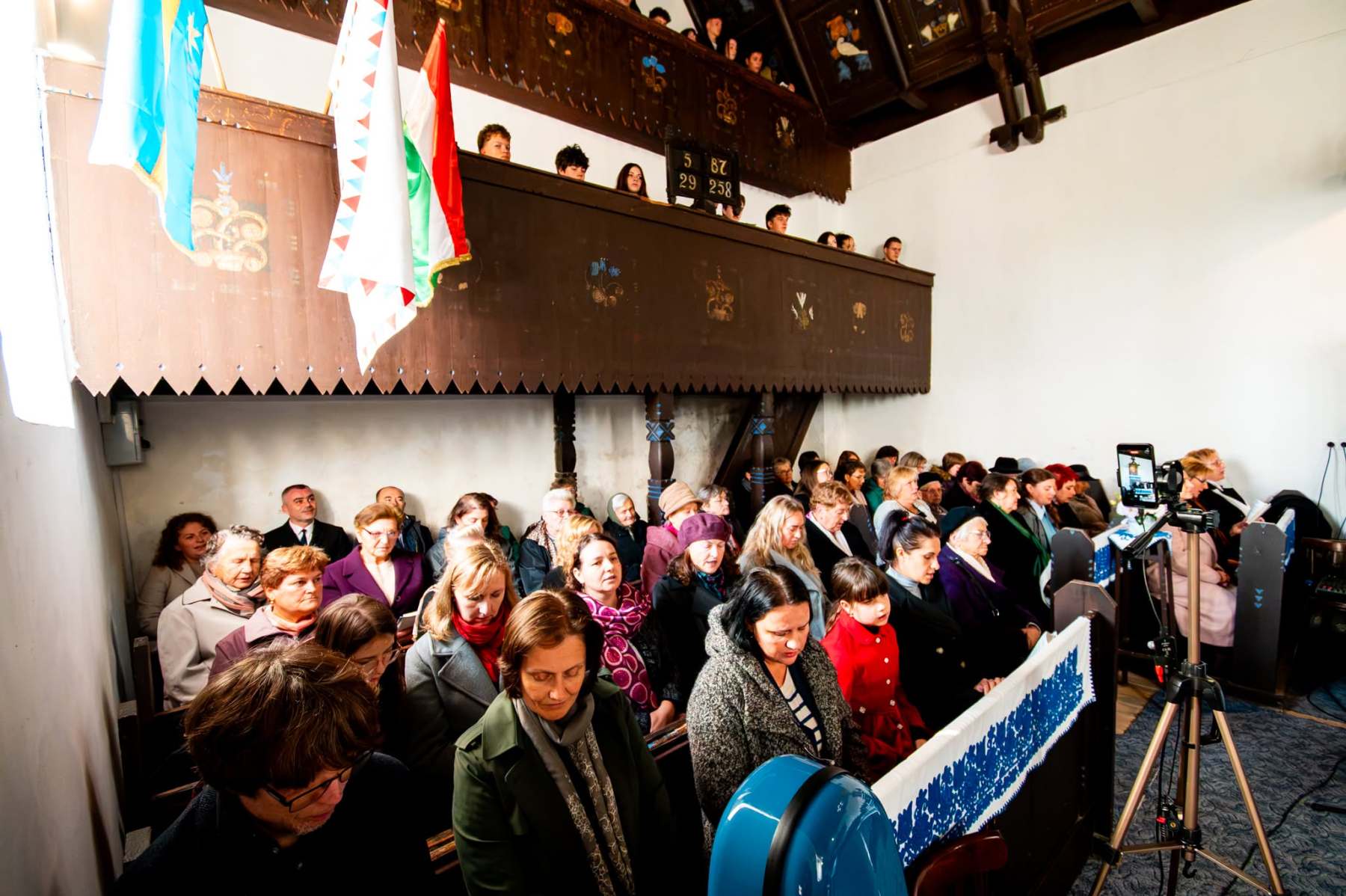
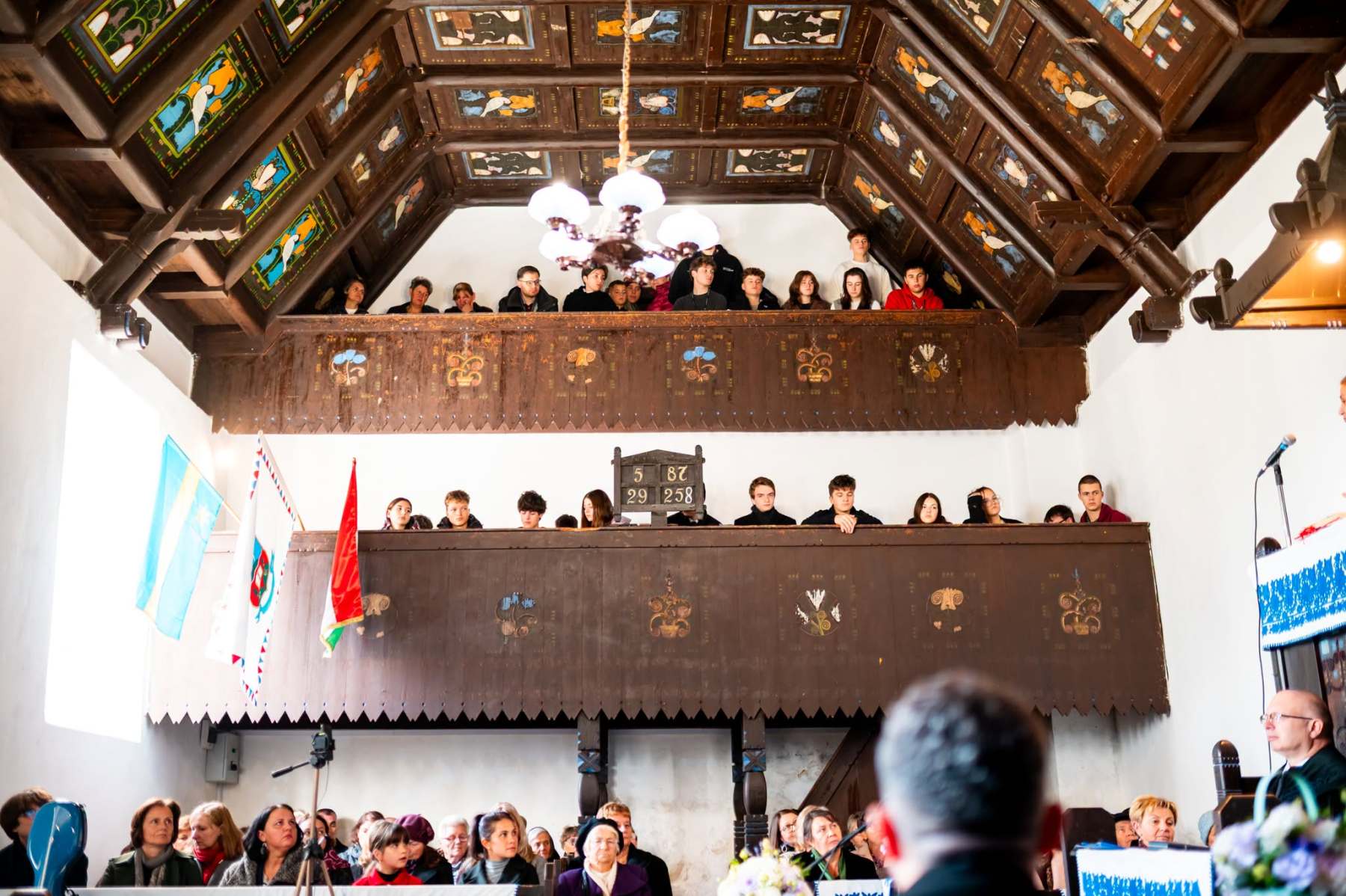
The celebration took place in the village where Balázs served as a minister and carried out much of his community-building work. The programme included a festive worship service, commemorative addresses, a literary and musical presentation, and several symbolic activities honouring his legacy.
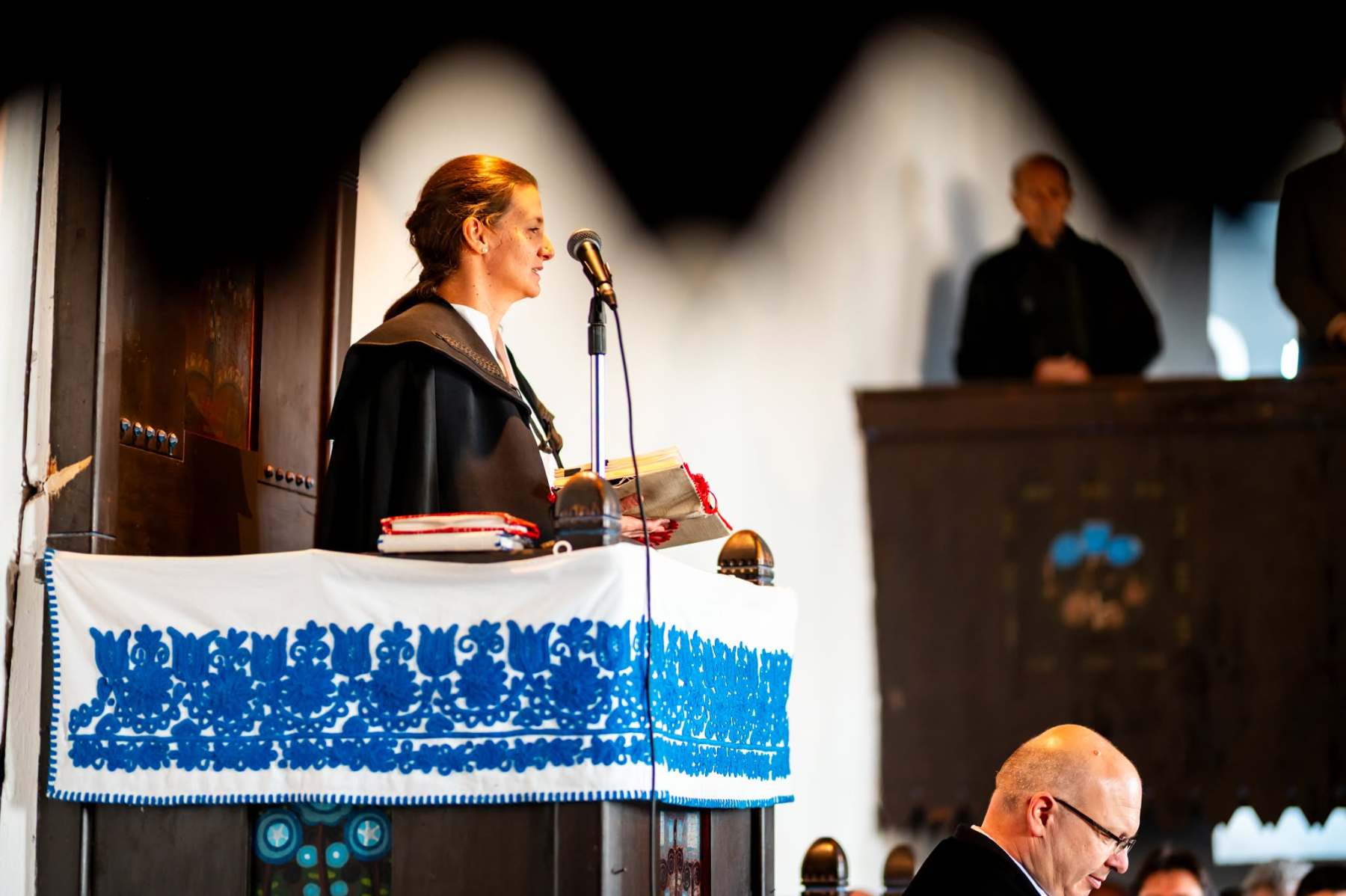
The worship service was led by Rev. Júlia Koppándi, whose sermon drew on Proverbs 11:24: “One gives freely, yet grows all the richer.” Reflecting on Balázs’s work in Mészkő, she emphasized generosity, shared responsibility, and the many ways individuals can contribute to their communities through their time, knowledge, and abilities.
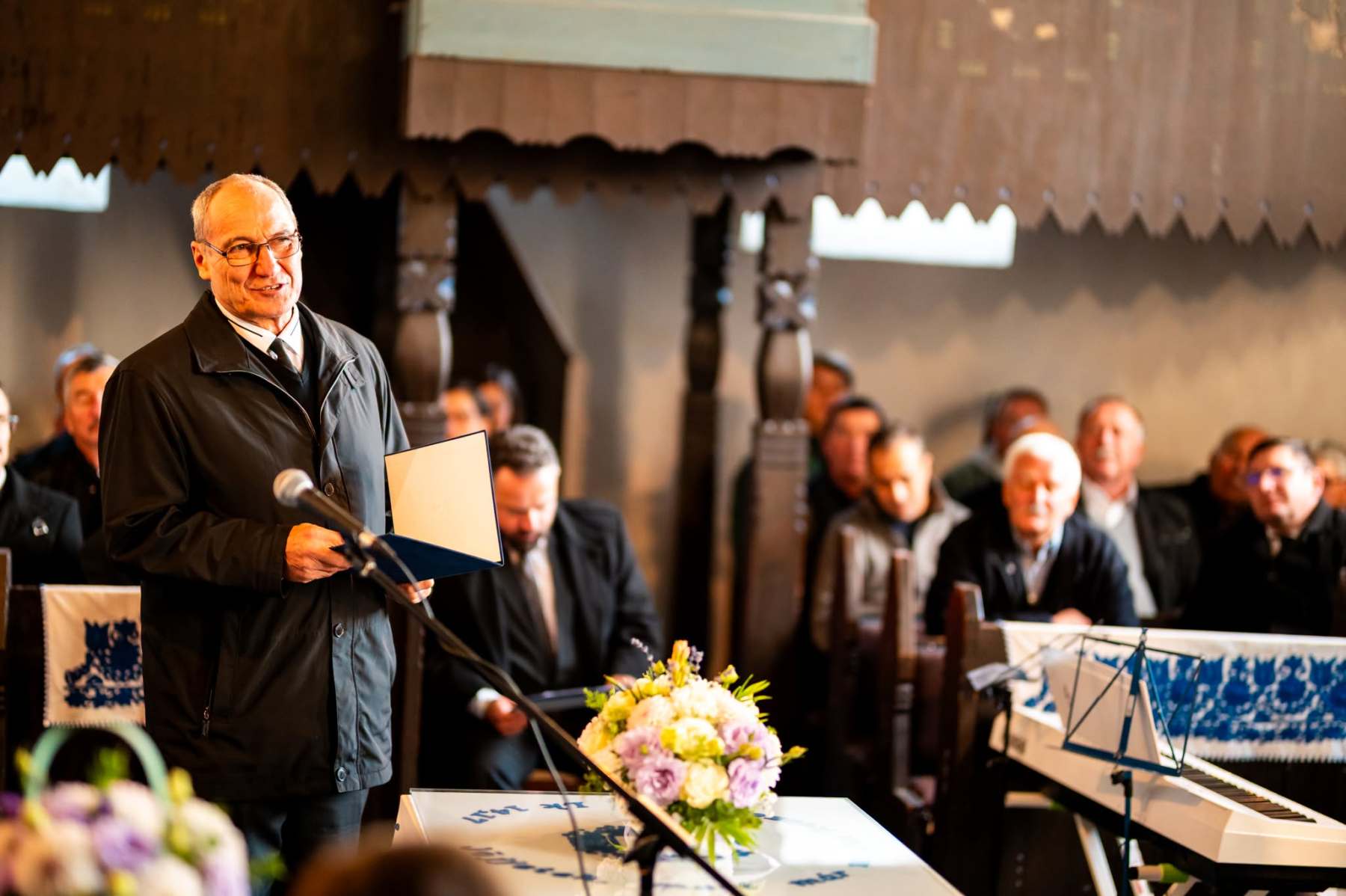
Rev. István Kovács, Bishop of the Hungarian Unitarian Church, addressed Balázs as a contemporary whose ideas remain relevant to the challenges facing the Church today. He reflected on questions of strengthening congregations, maintaining connections with those who have moved away, and reaching people who have become distant from church life.
The local minister, Rev. Róbert Zoltán Bálint, spoke about Balázs’s enduring relationship with the Mészkő community and the continuing influence of his work on local institutions and initiatives.
A special literary and musical programme, entitled “The Prophet of an Unfolding World: Unconventional Approaches to the Unconventional Life of Ferenc Balázs,” was presented by Rev. Norbert Zsolt Rácz. Drawing on Balázs’s writings and ideas, the programme explored his religious thought, community work, personal life, and vision for social development.
Readings were given by Bence Bálint and theology student Imola Bálint, while Orsolya Csete (piano), Anna Nagy (clarinet), and Anna Zsófia Albert (cello) performed musical compositions by Ferenc Balázs.
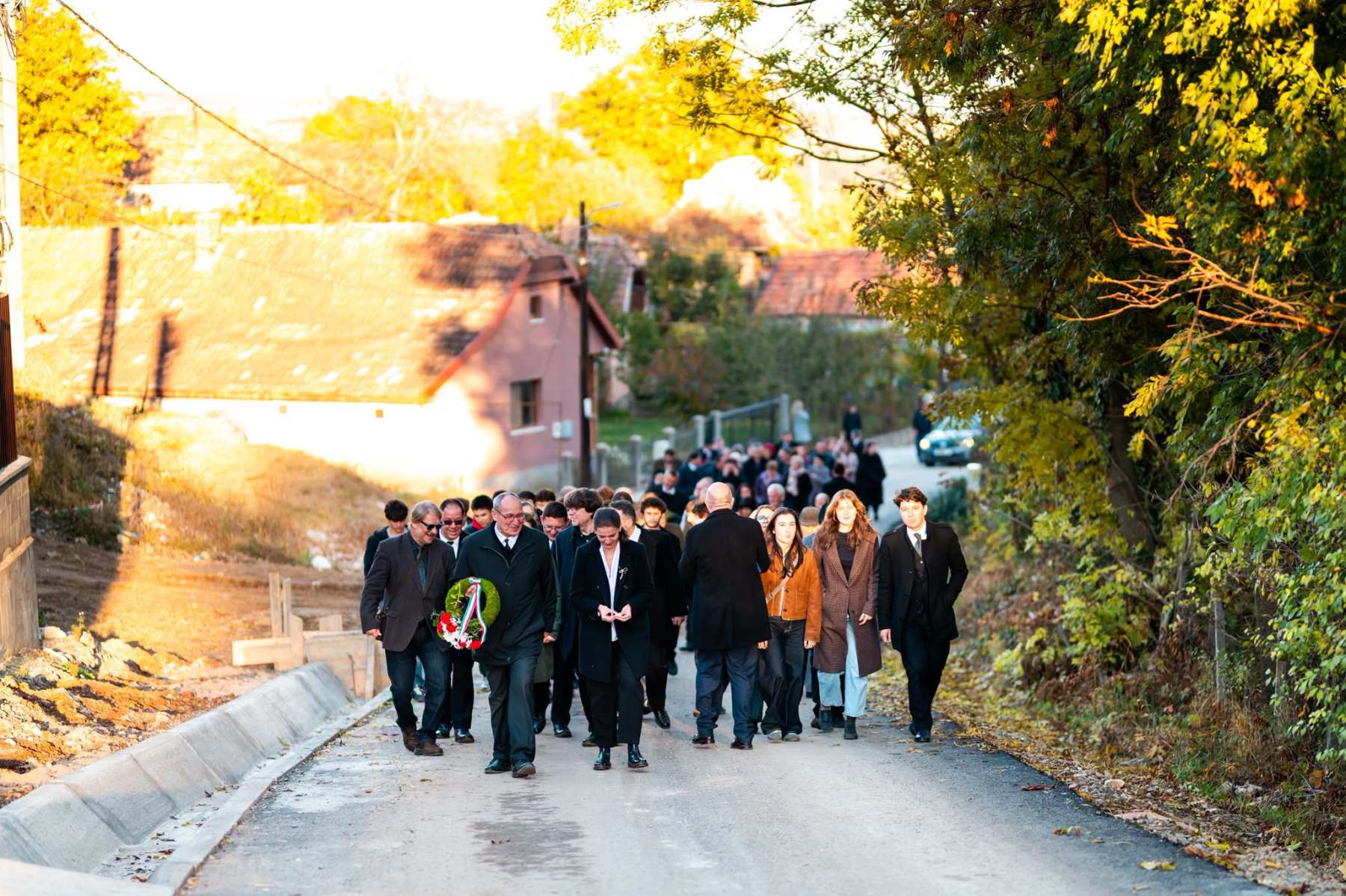
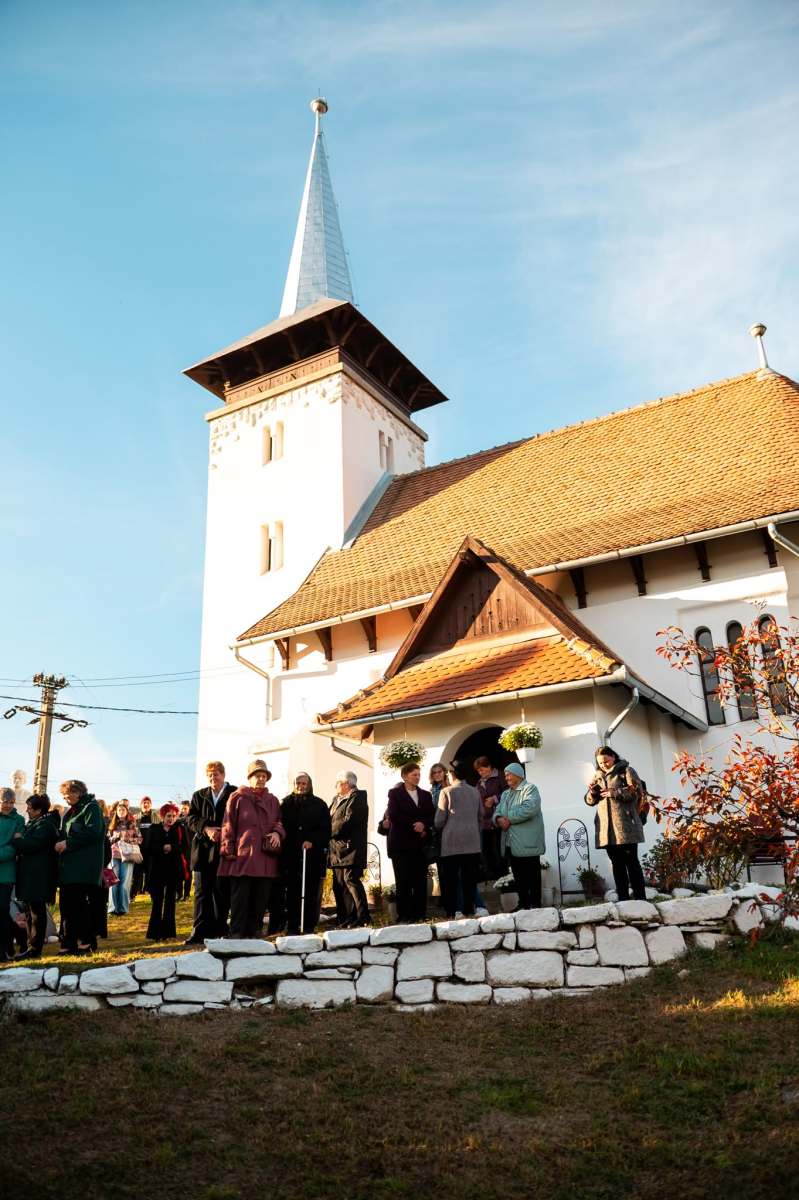
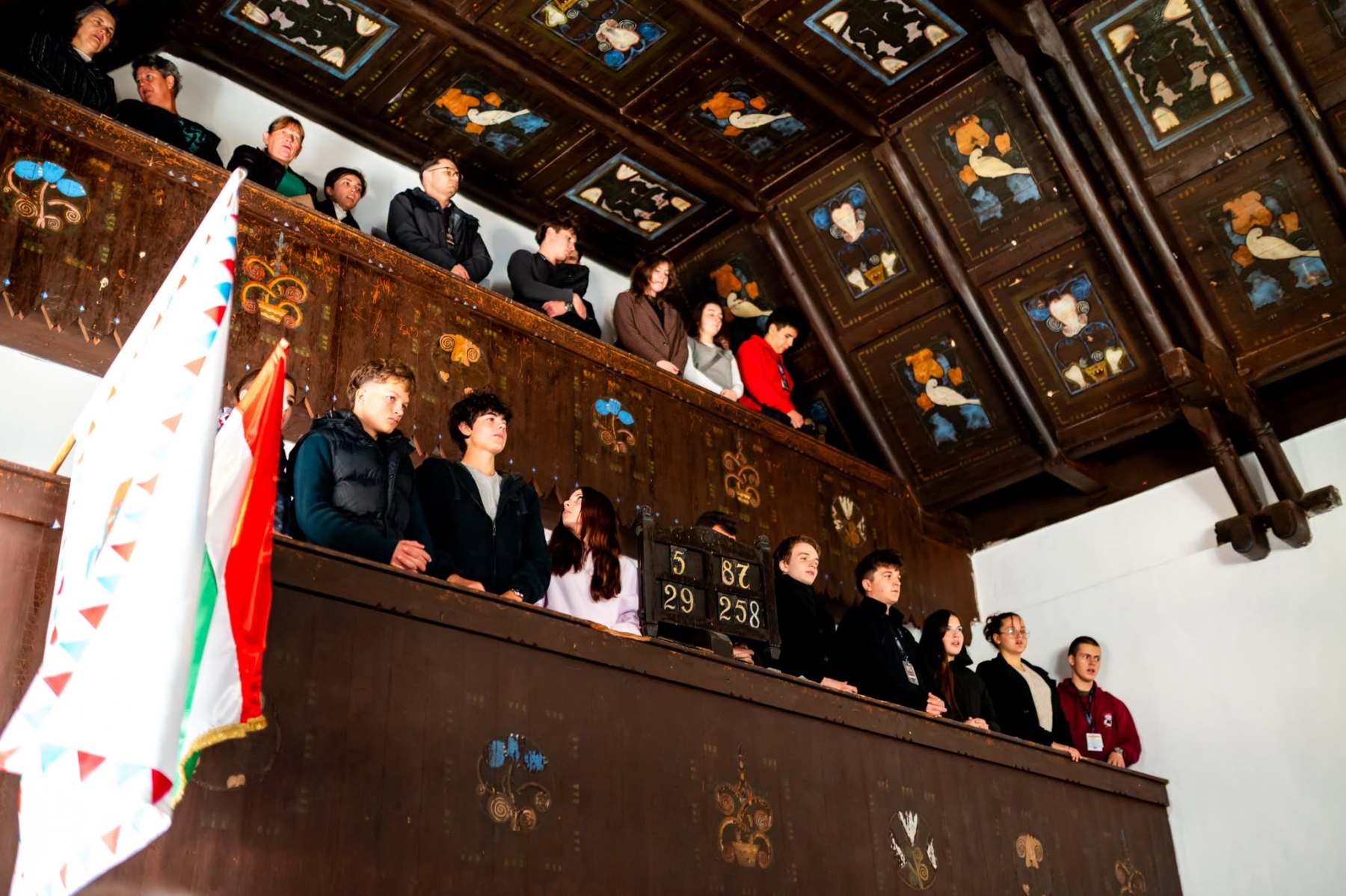
Following the church service, participants of the 48th Unitarian Youth Conference placed a time capsule in the church garden. Their message to future generations reflected on the challenges of contemporary life and their commitment to building communities that encourage dialogue, critical thinking, and meaningful action.
A fruit tree was also planted in memory of Ferenc Balázs and his family, symbolizing the continuing relationship between his descendants and the village. An exhibition presented different aspects of his life and work, while participants received forget-me-not seeds as a symbolic reminder of his legacy.
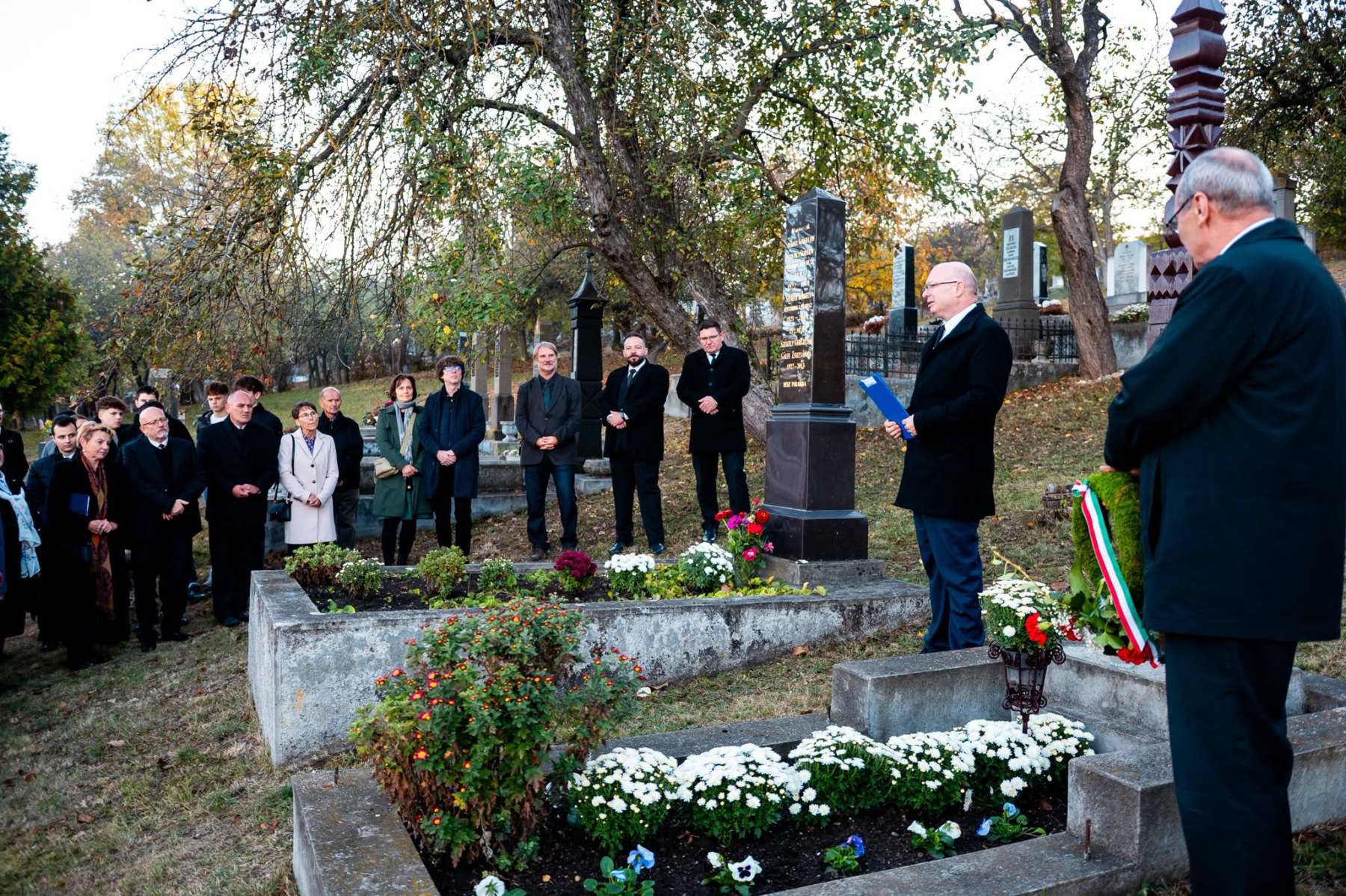
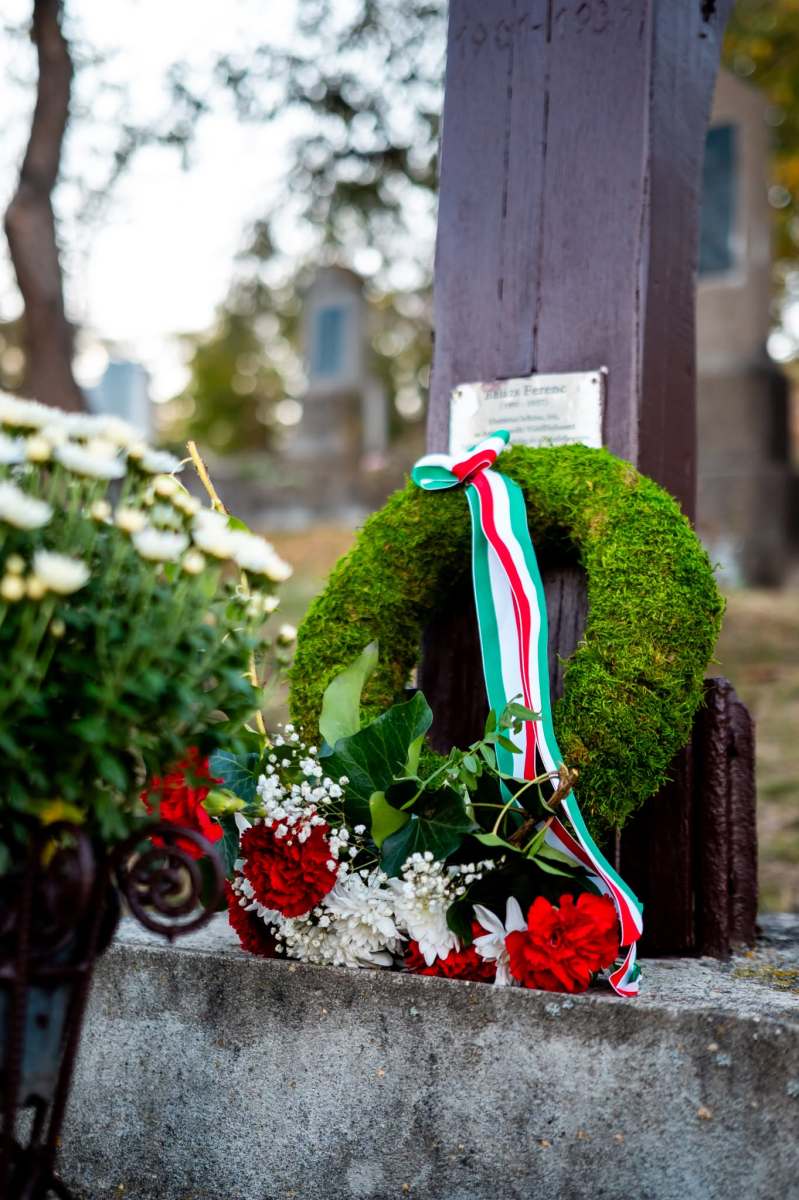
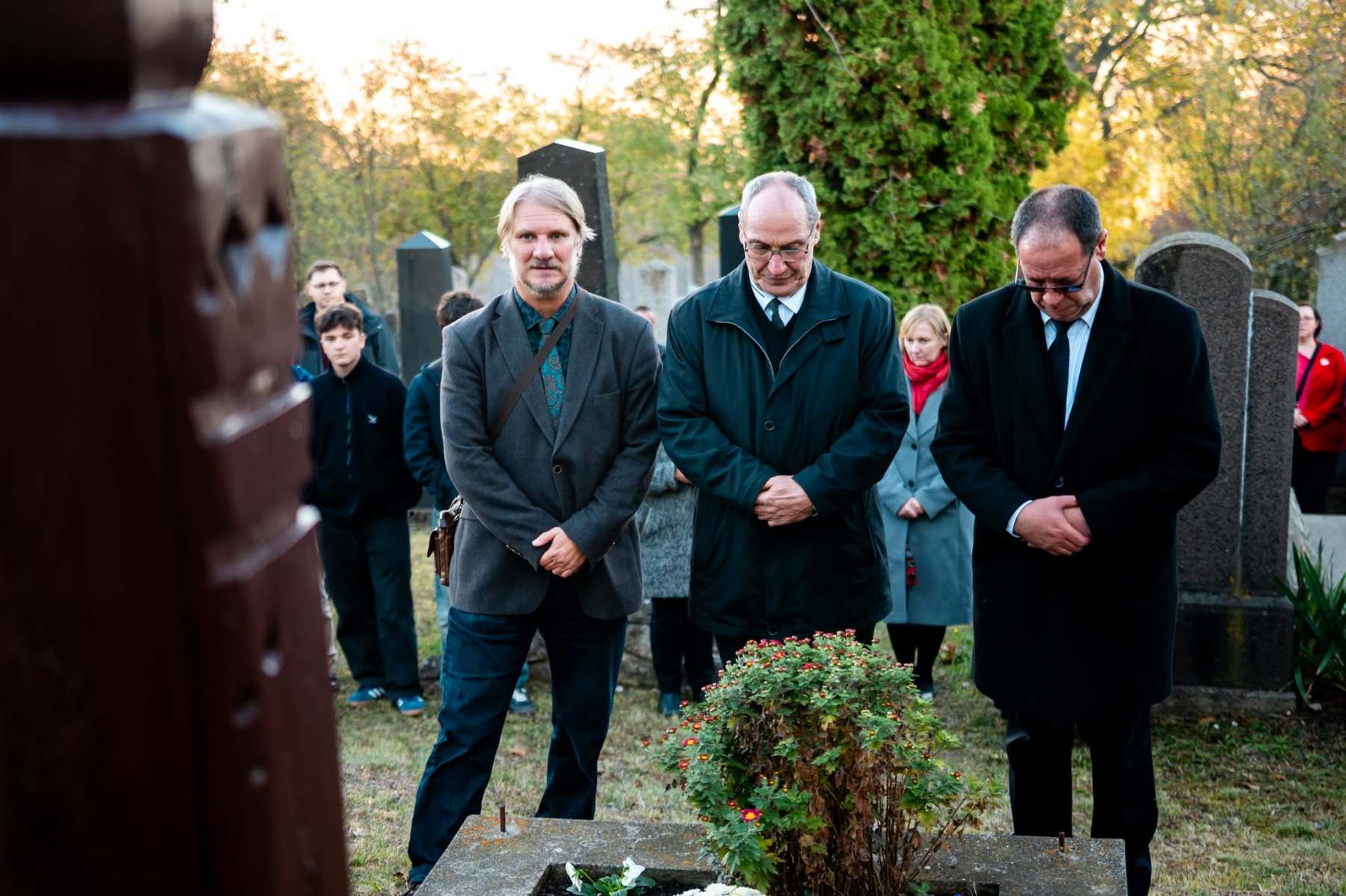
The commemoration concluded at Ferenc Balázs’s grave in the Mészkő cemetery, where participants laid a wreath and sang one of his favourite songs, Kék nefelejcs .
The event formed part of the Hungarian Unitarian Church’s memorial year marking 125 years since Ferenc Balázs’s birth, celebrating his lasting contributions to religious thought, education, and community development.
The Hungarian Unitarian Church extends its thanks to the Mészkő congregation for their hospitality and for preparing the communal meal that concluded the celebration.