 Introduction
Every year on 13 January, the Hungarian Unitarian Church commemorates the Day of Religious Freedom, marking the anniversary of the historic Diet of Torda of 1568. The celebration honors one of the most significant milestones in the religious and cultural history of Transylvania and reflects the enduring legacy of freedom of conscience and religious tolerance.
Historical Background
In January 1568, the Diet of Torda adopted a decree that became the first law in Europe to recognize freedom of conscience and the right of religious communities to choose their own ministers. Closely associated with the ministry of Ferenc Dávid and the emergence of the Unitarian tradition, the decree remains one of the defining achievements of the Principality of Transylvania.
Since 2002, the Hungarian Unitarian Church has officially celebrated 13 January as the Day of Religious Freedom. On the 450th anniversary of the Edict of Torda, in 2018, the Hungarian Parliament officially declared 13 January the Day of Religious Freedom, recognizing the lasting significance of the Transylvanian tradition of religious liberty.
The Celebration Today
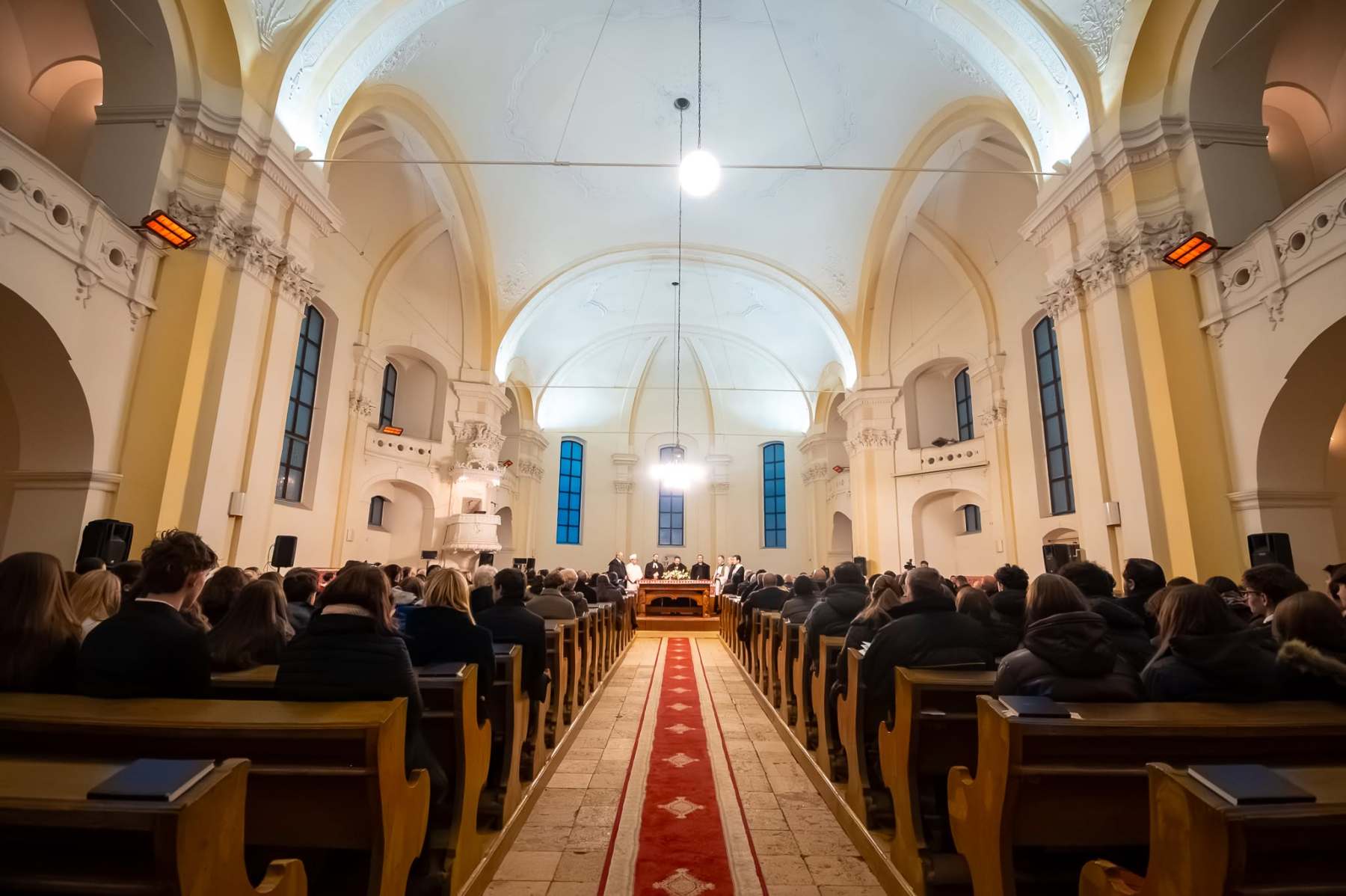
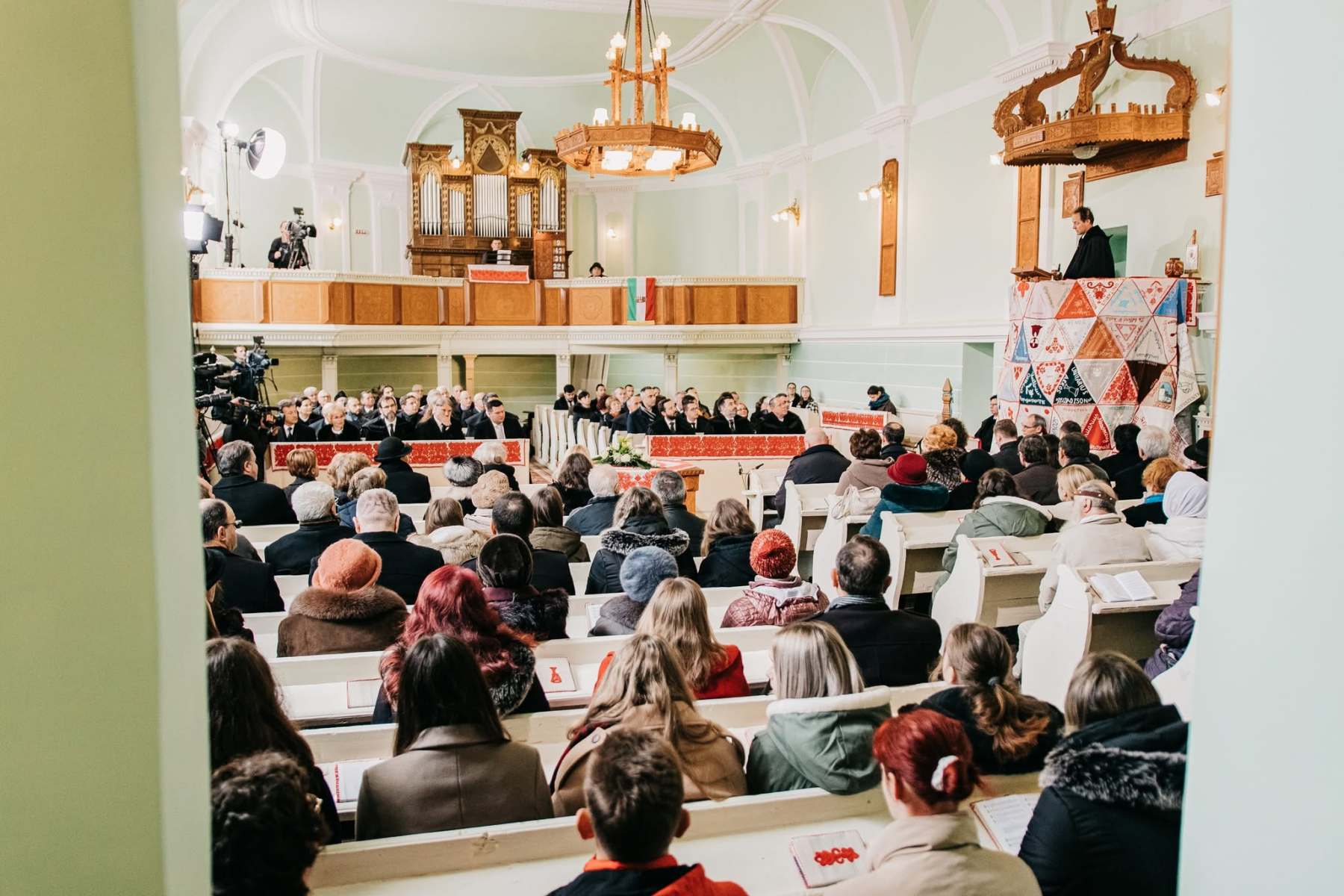
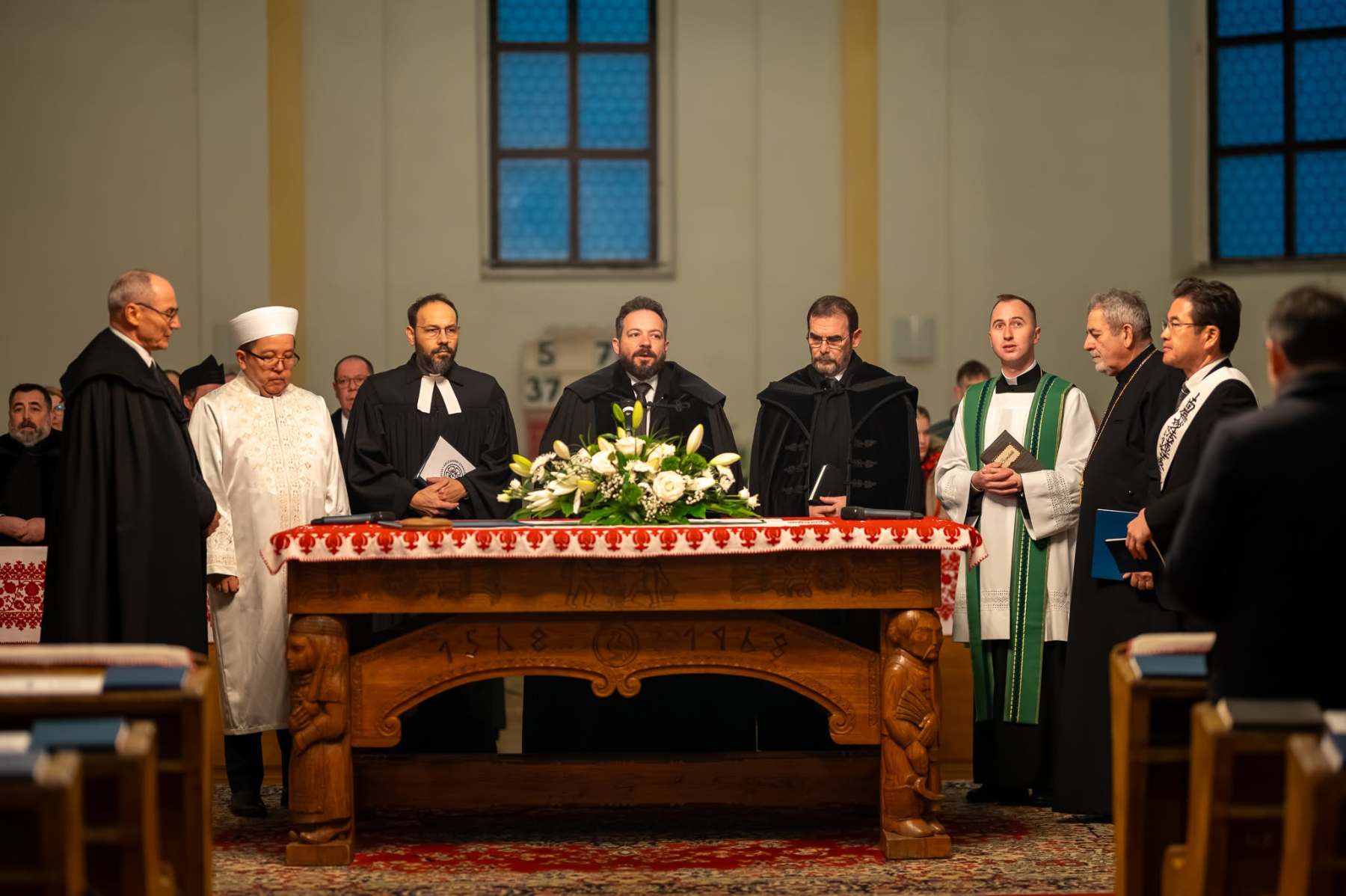
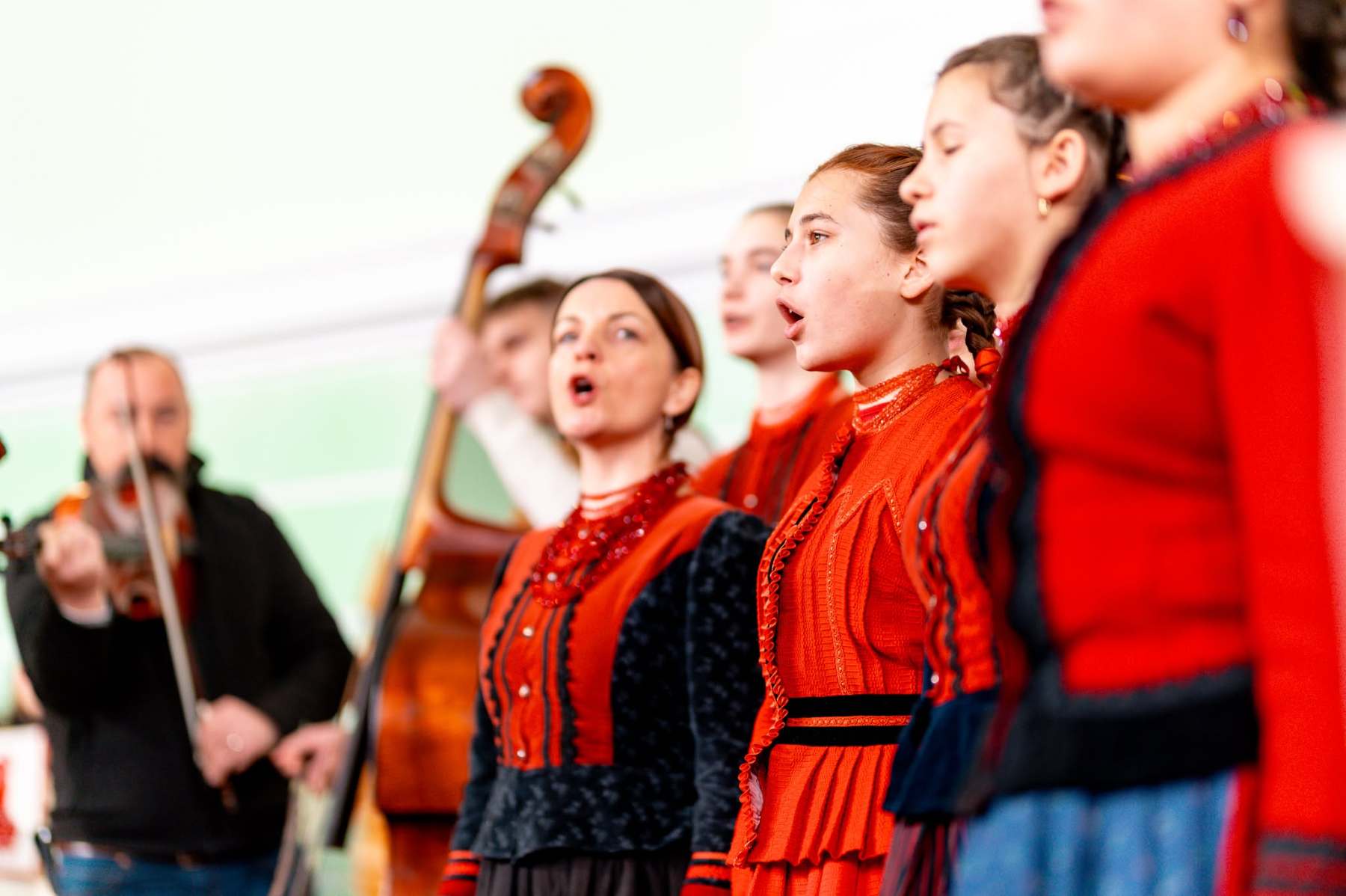
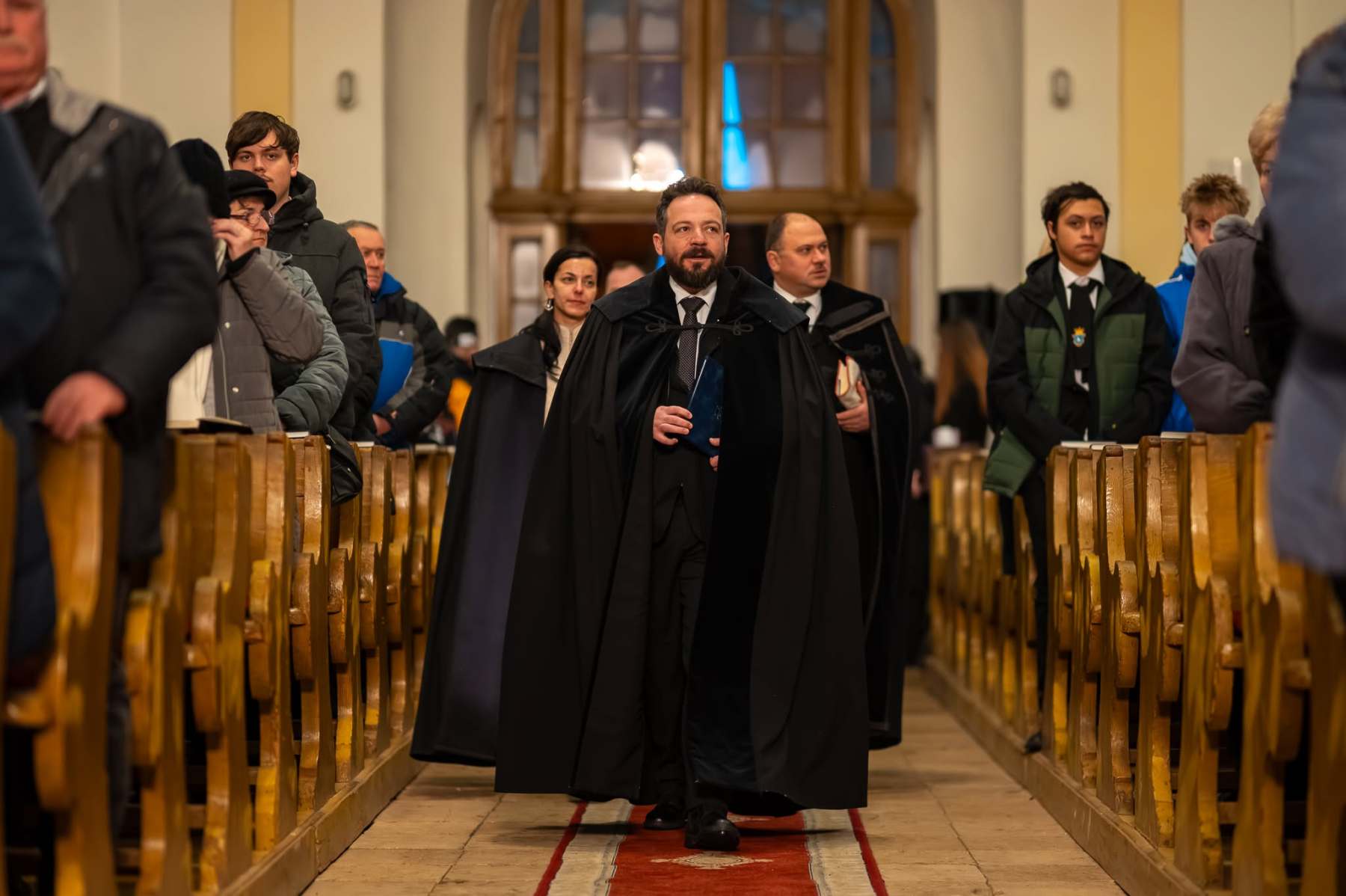
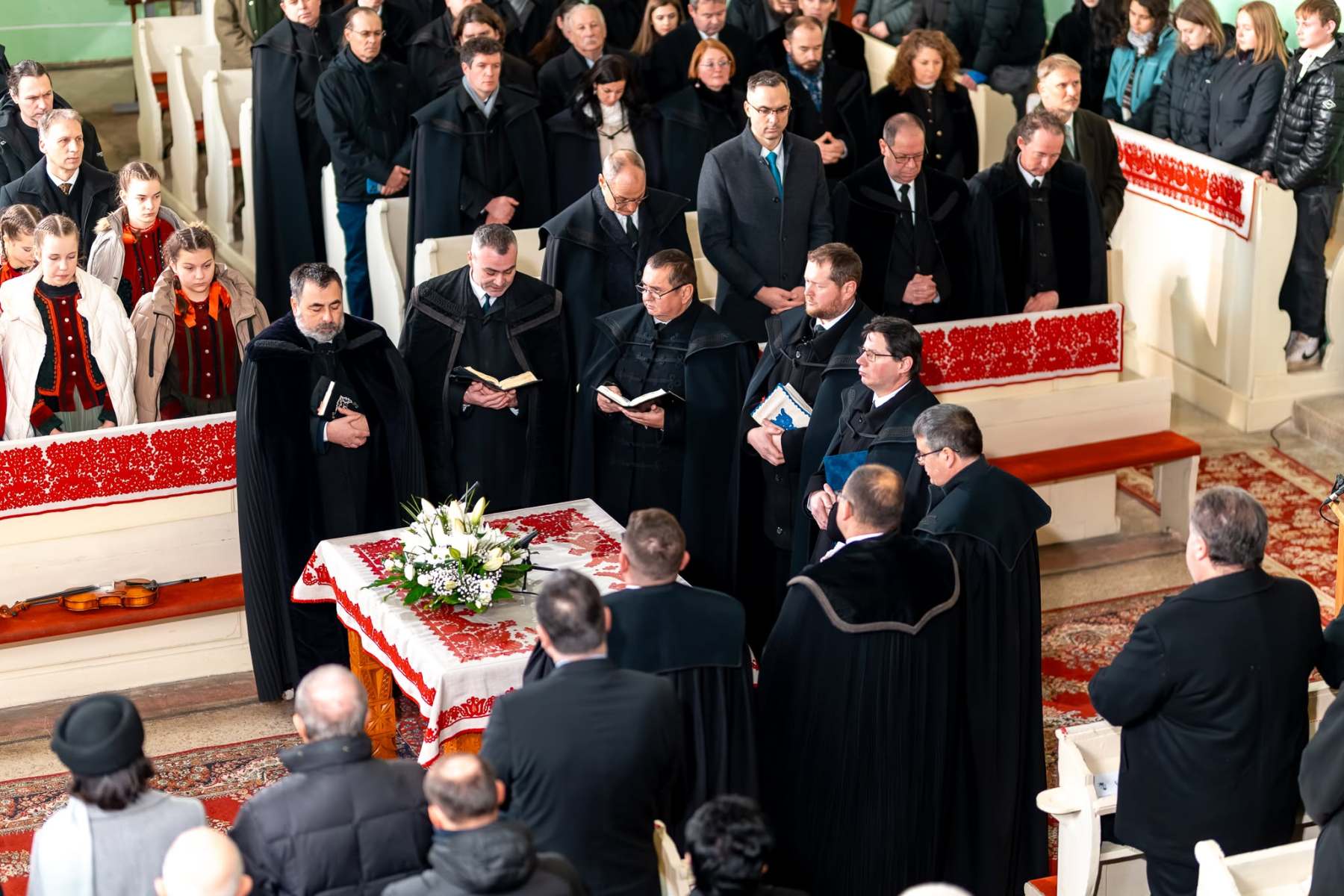
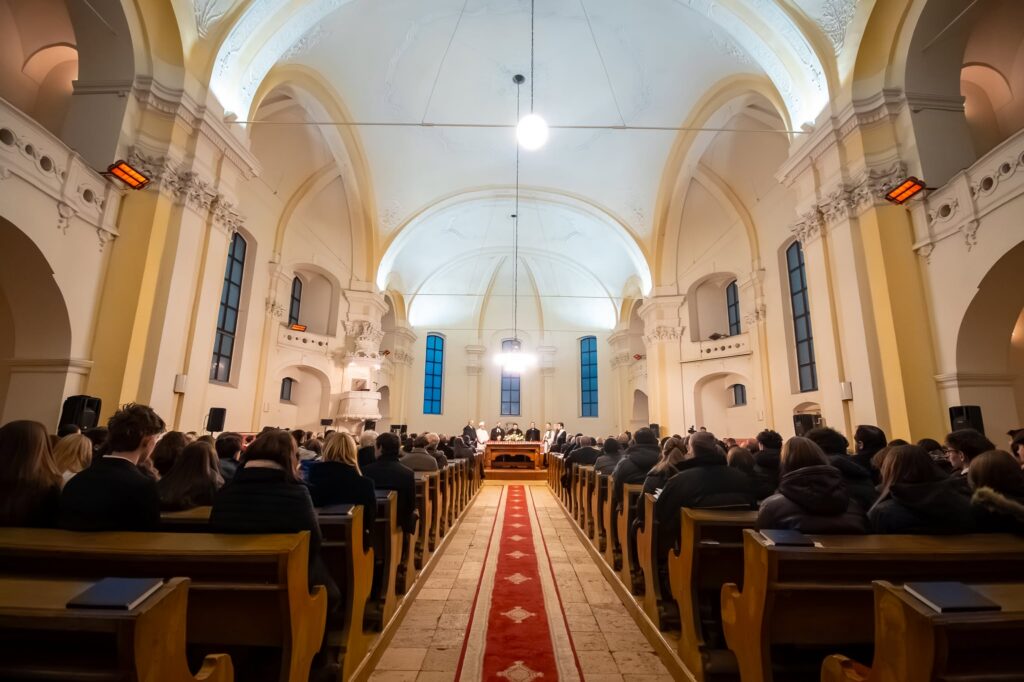
The principal celebrations take place in Turda (Torda), where the historic decree was proclaimed, and in Cluj-Napoca (Kolozsvár), the center of the Hungarian Unitarian Church. The program typically includes festive worship services, commemorative ceremonies, lectures, cultural performances, and greetings from representatives of various churches and religious communities.
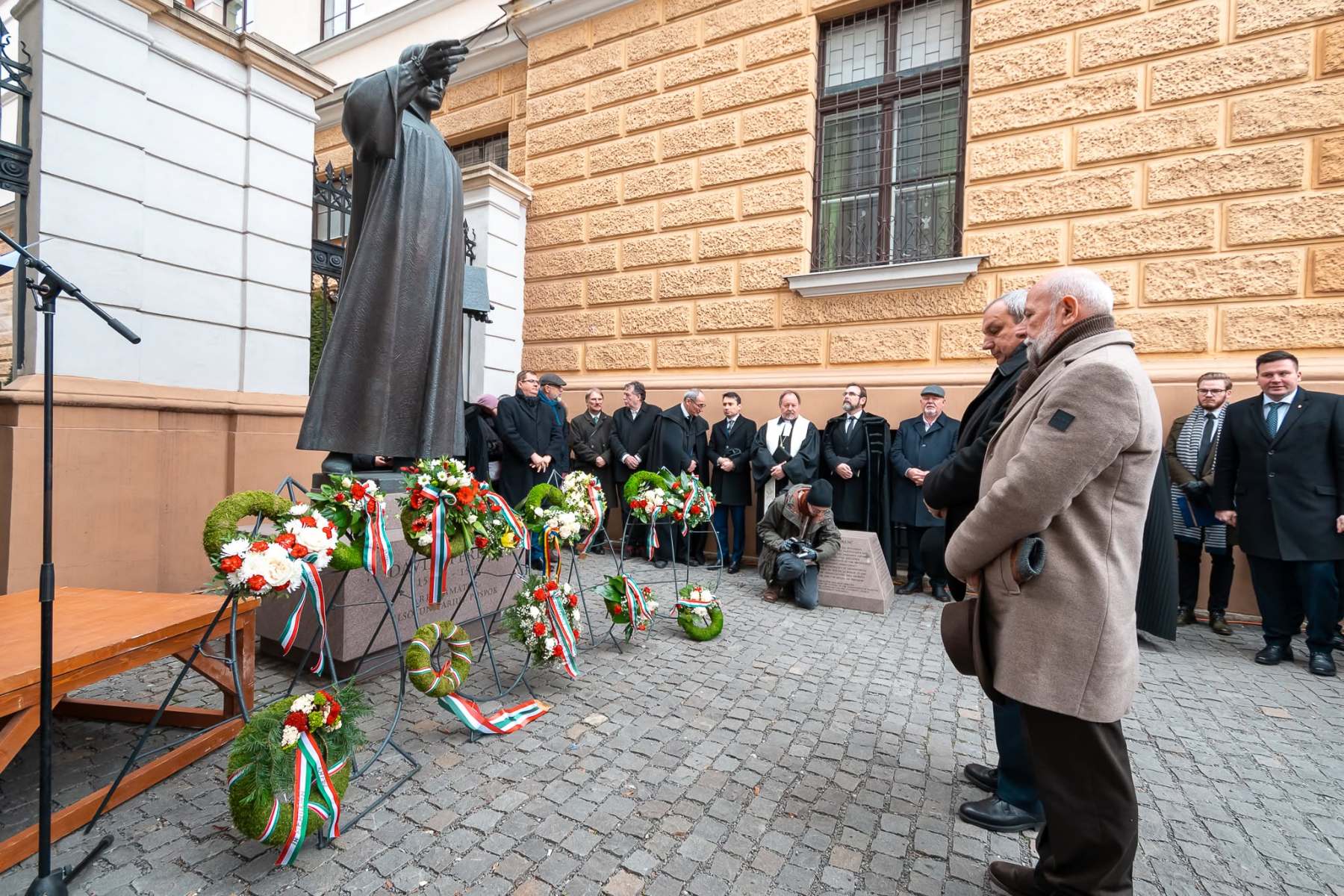
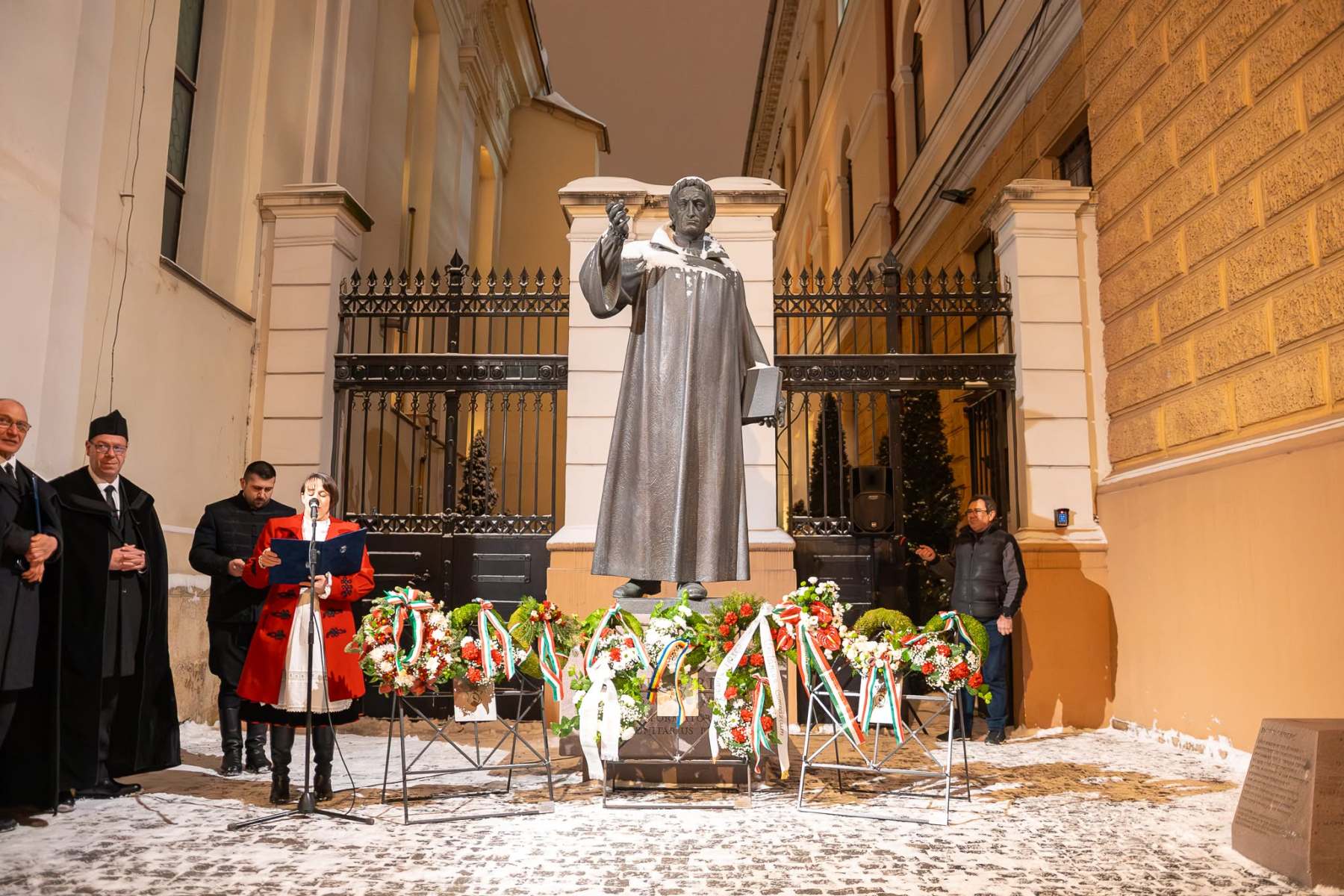
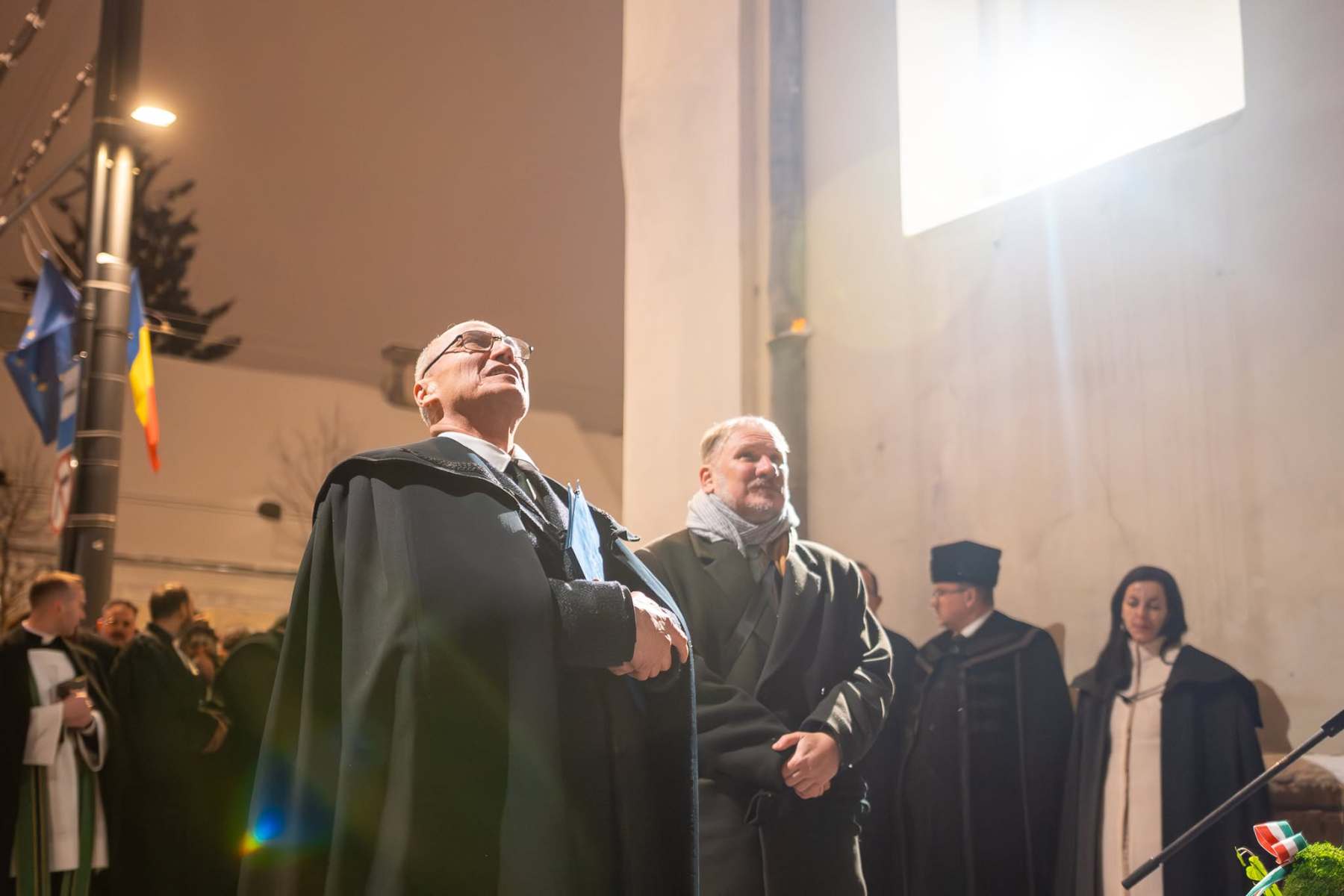
A central element of the commemoration in Turda is the wreath-laying ceremony at the Monument of Religious Freedom, a monumental work by Romanian sculptor Liviu Mocan, unveiled in 2018 to mark the 450th anniversary of the Diet of Torda. In Kolozsvár (Cluj-Napoca), commemorative events are also held at the statue of Ferenc Dávid, where church leaders, guests, and participants gather to pay tribute to the founder of the Unitarian Church in Transylvania.
International Significance
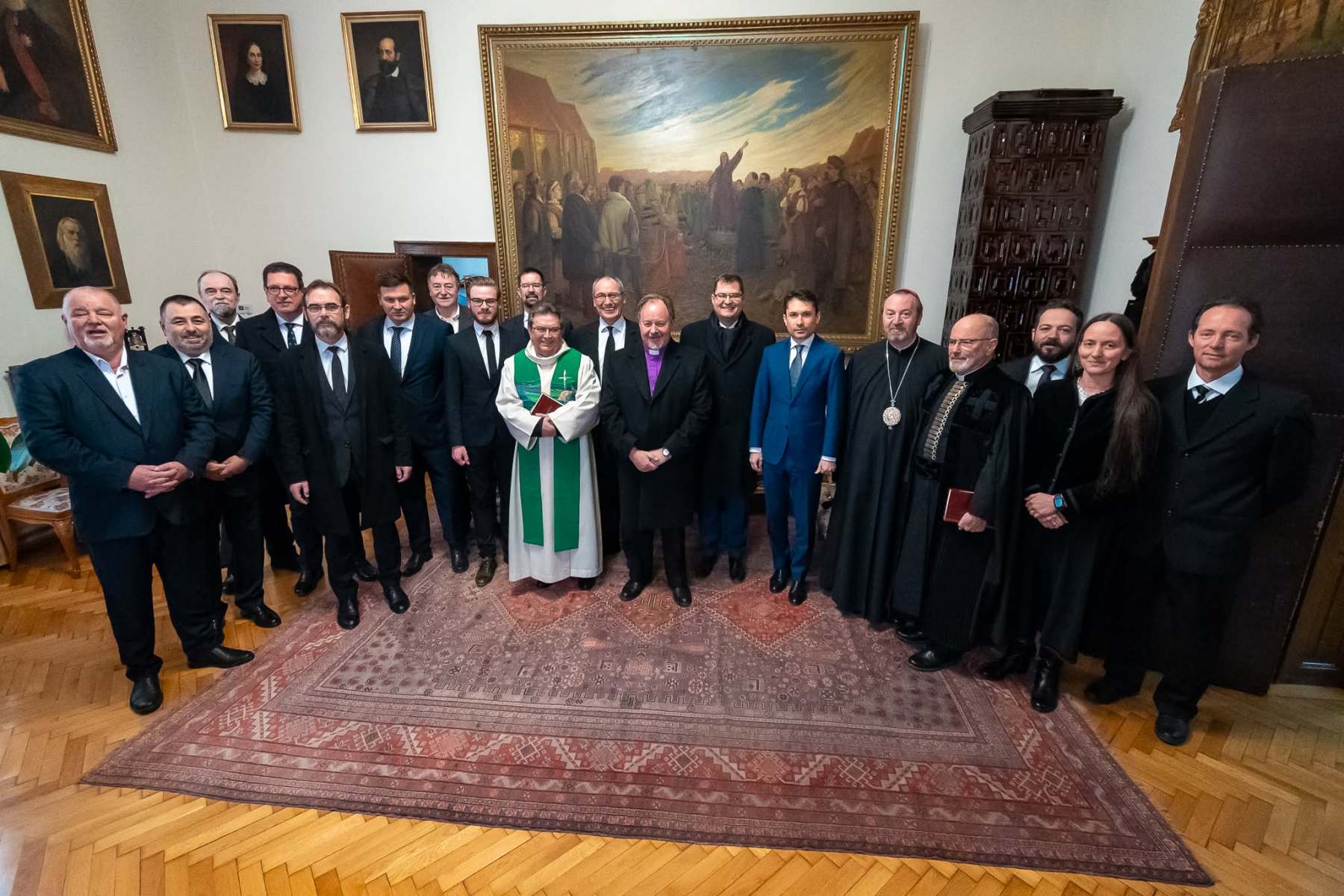
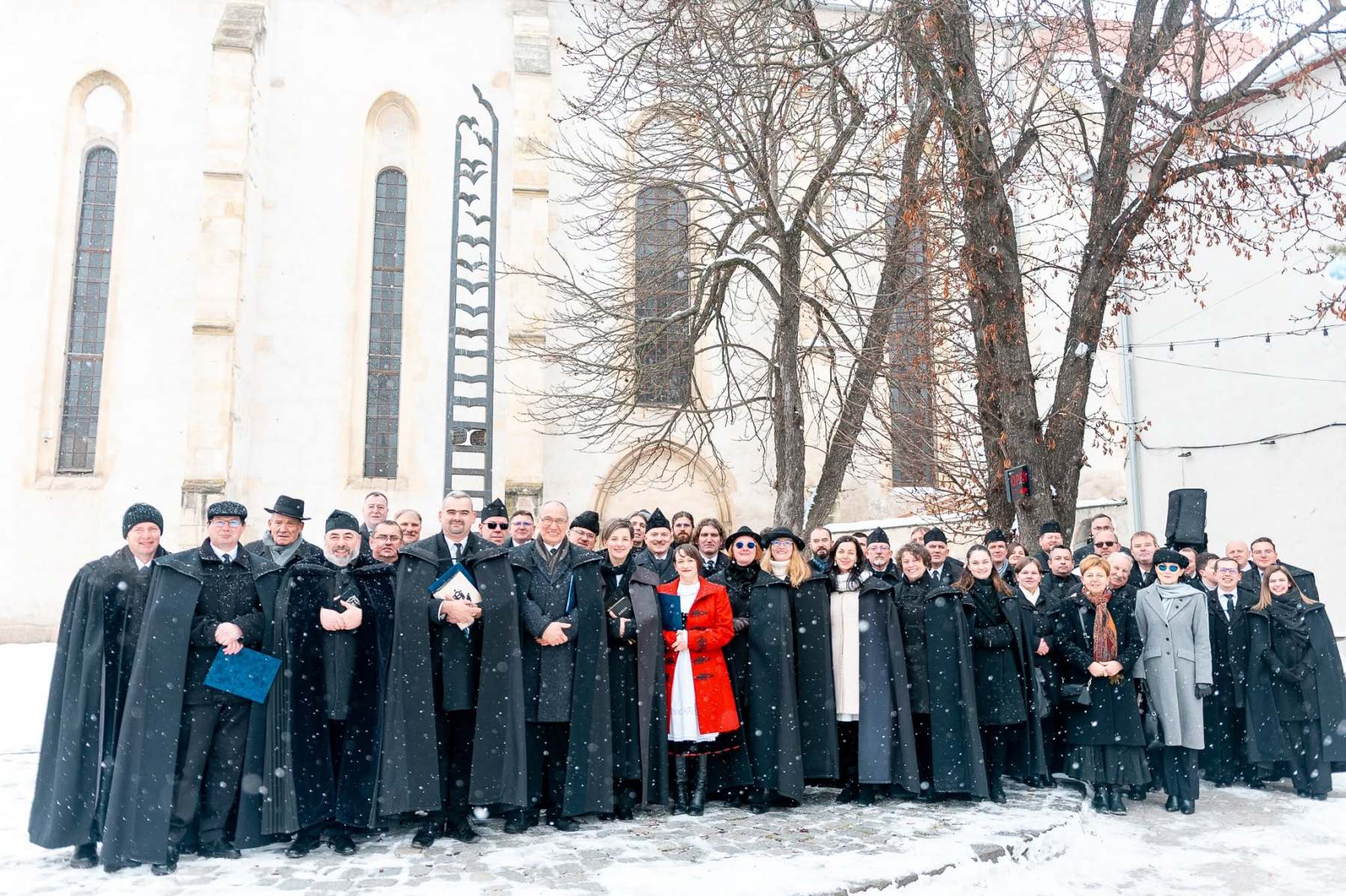
The Day of Religious Freedom is one of the most important annual events of the Hungarian Unitarian Church. It brings together invited church leaders, scholars, public officials, representatives of partner churches, and international guests who share a commitment to the values of religious liberty, mutual respect, and peaceful coexistence.
Receiving significant media attention throughout Transylvania and Hungary, the celebration serves not only as a remembrance of a historic achievement but also as a living affirmation of dialogue, human dignity, and respect for people of different faiths and convictions.