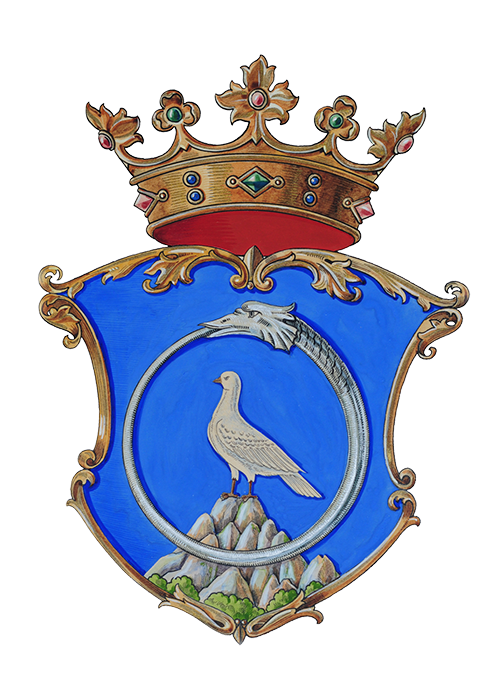
The village of Nagyajta/Aita Mare was first mentioned in the Papal Tithe Registers of 1332. Situated at an important crossing point over the Olt River, it long served as a significant link between the surrounding micro-regions. By 1567, through its administrative roles as a district and regional center, Ajta had become one of the most populous settlements in the historical region of Háromszék. The settlement already had a Unitarian minister by 1613. In 1787, the village received the right to hold annual fairs, and thanks to the proximity of the economically thriving city of Brassó/Brașov, a strong artisan class developed here during the second half of the 18th century.
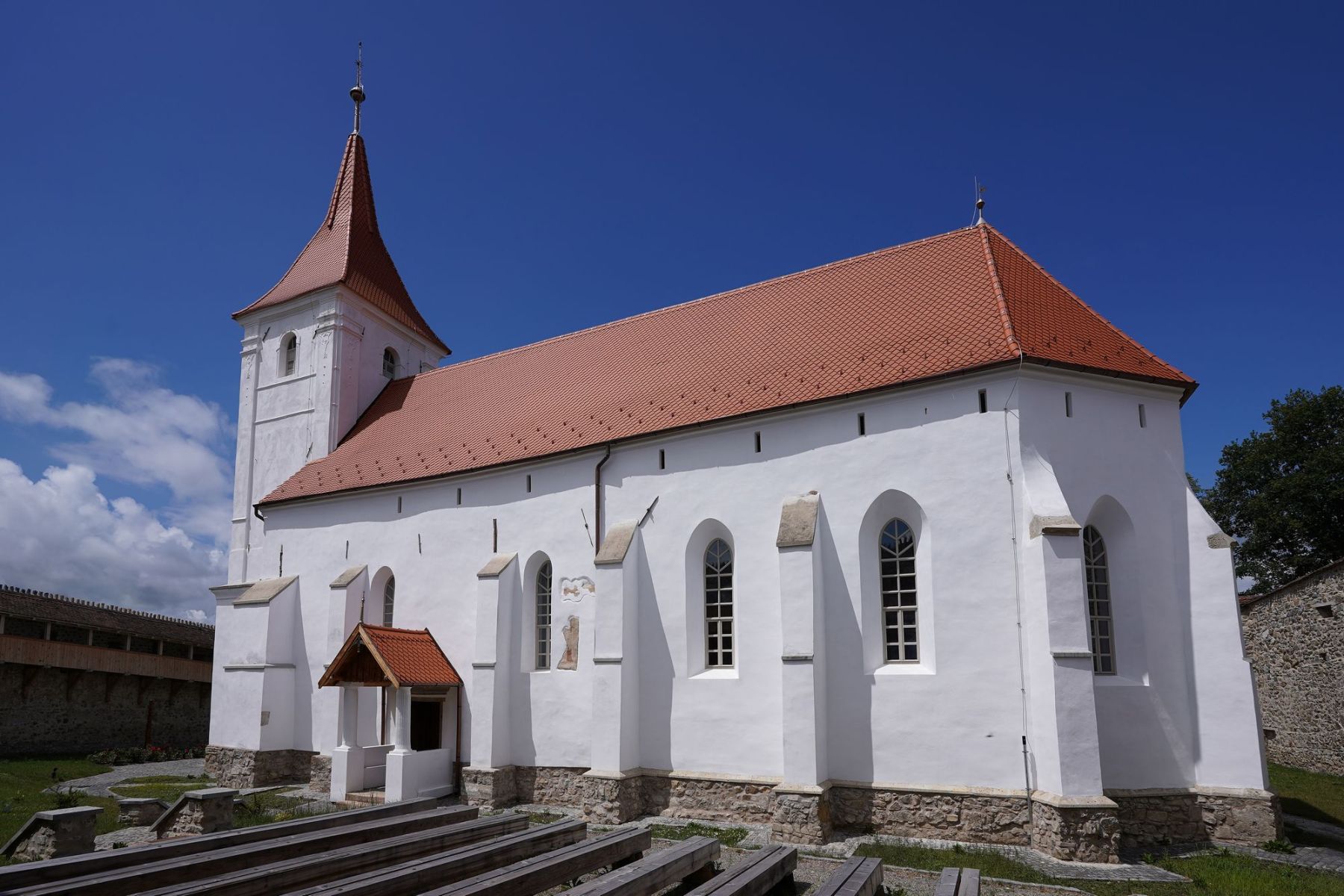
Following the Reformation, the fortified church was jointly used by the Unitarian and Reformed communities, most likely until 1732. After lengthy legal disputes, the church permanently remained in Unitarian ownership, while the surrounding fortress walls were divided between the Unitarians and, in smaller proportion, the Reformed congregation according to their numbers within the community.
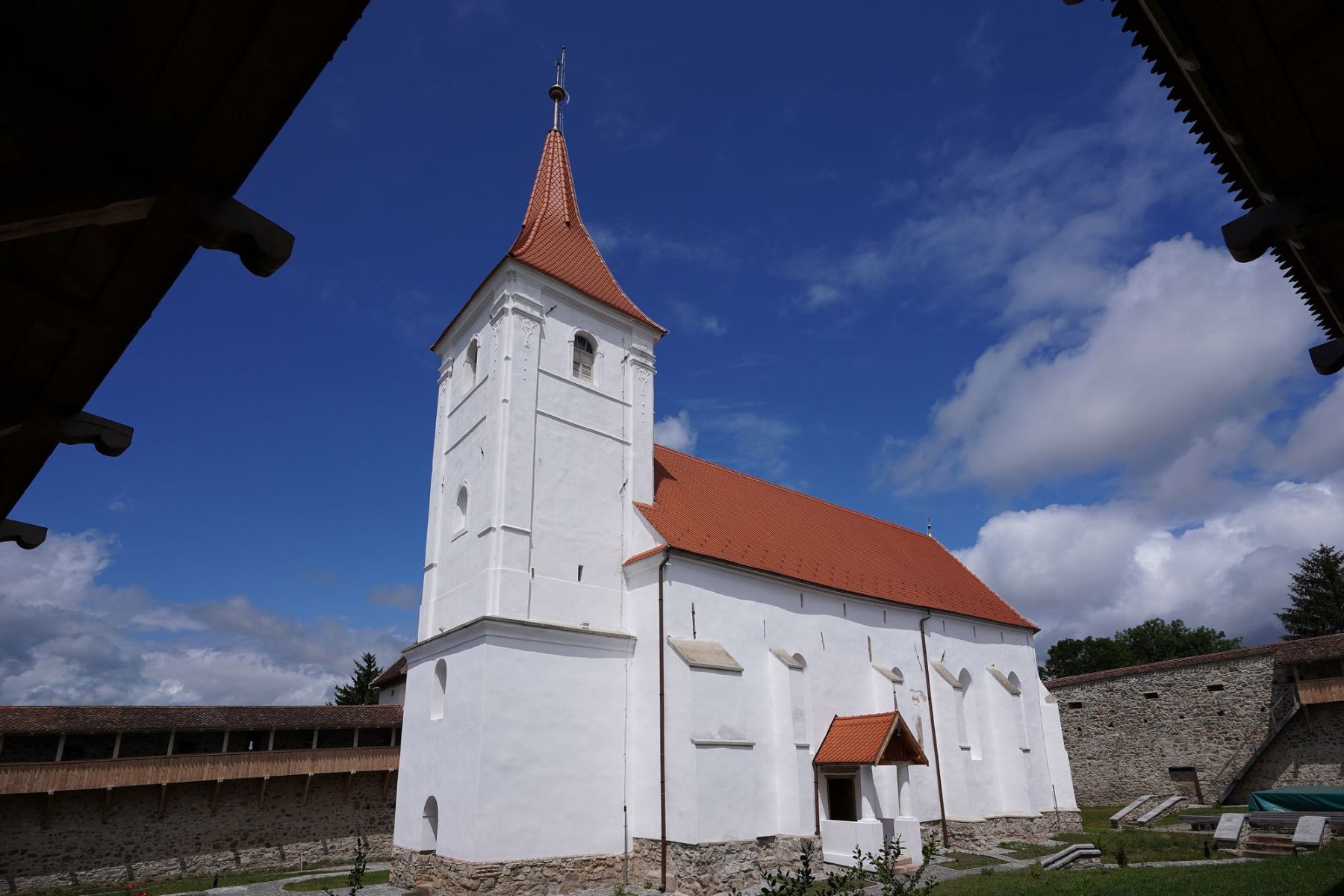
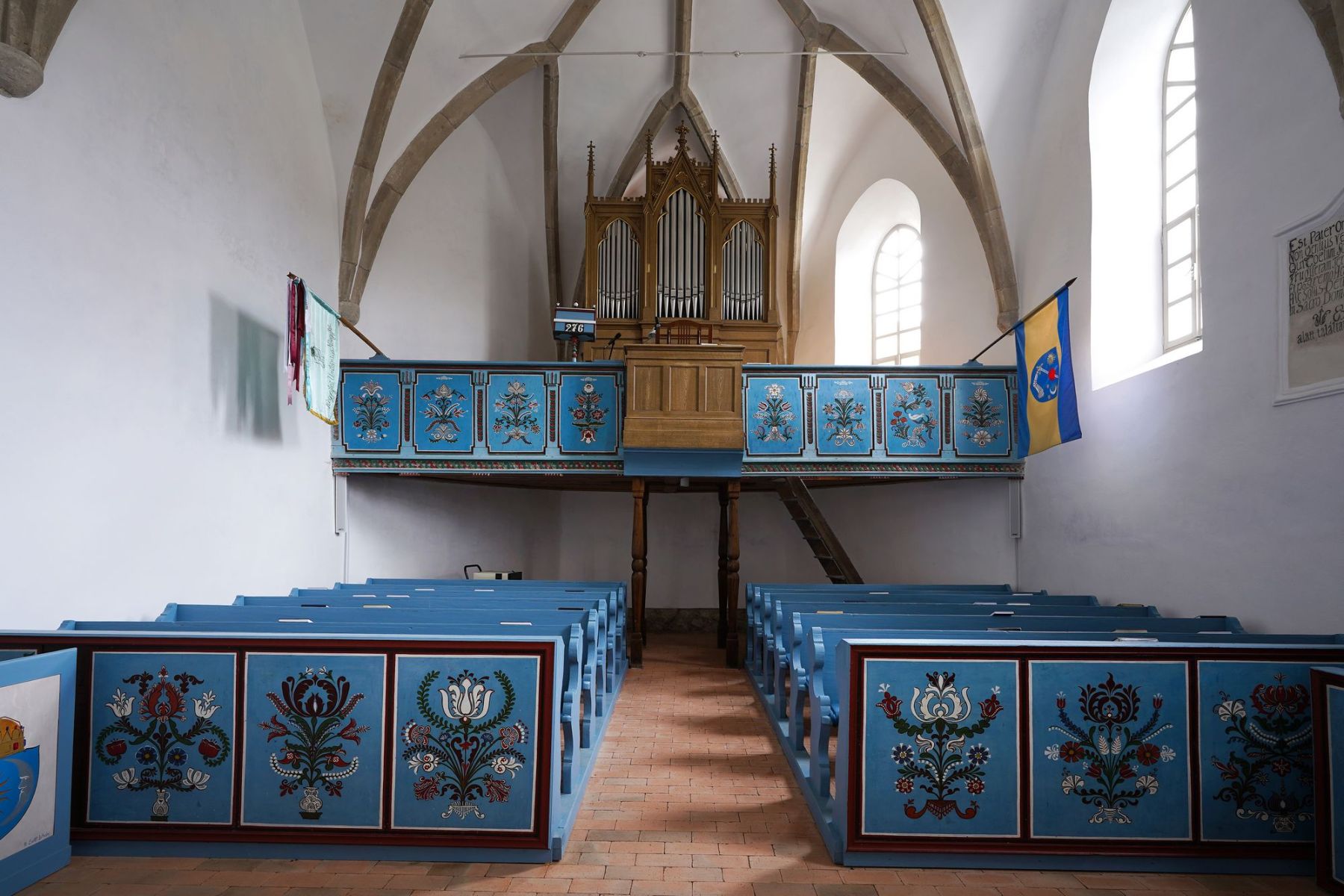
The church, originally built in the early 14th century with an east–west oriented nave and a polygonal sanctuary, acquired its final form during the 15th century, when a larger Gothic sanctuary was added. Around 1512, a Gothic ribbed vault was constructed over the nave. This ceiling suffered severe damage during the earthquake of 1802.
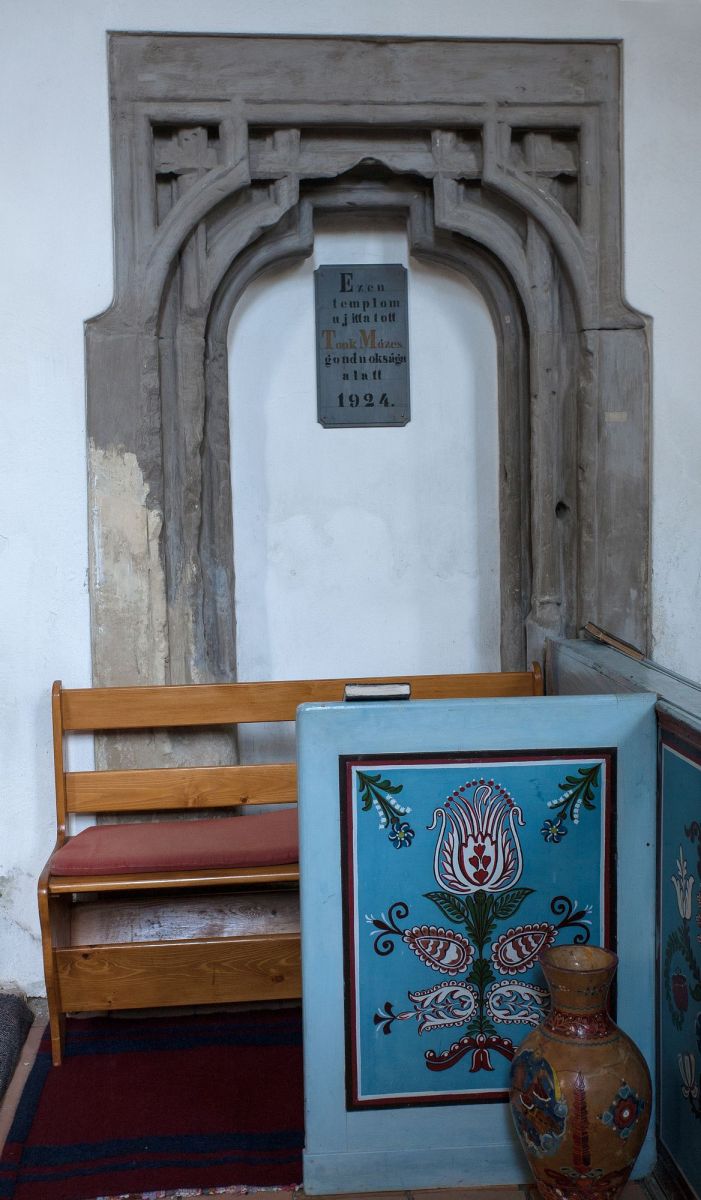
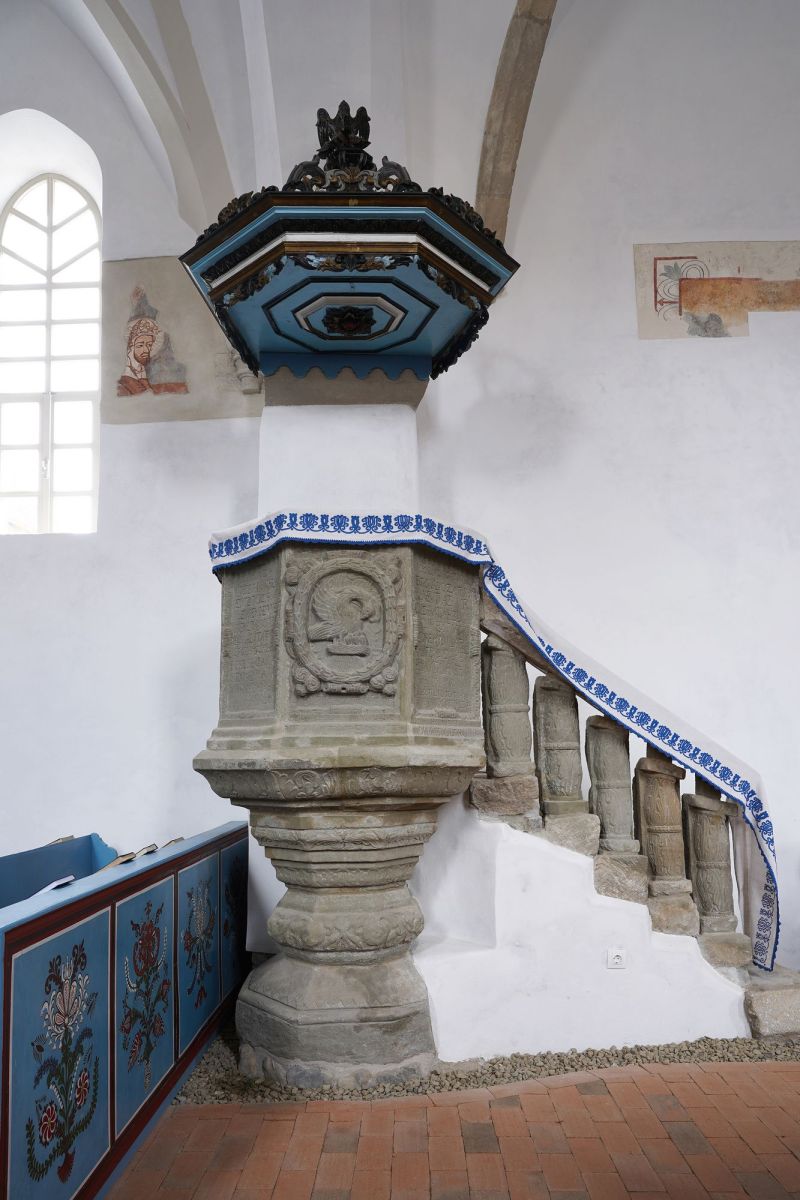
On the northern wall of the former sanctuary, visitors can still see a finely carved Late Gothic sacristy doorway, as well as the carved stone pulpit and canopy created in 1710.
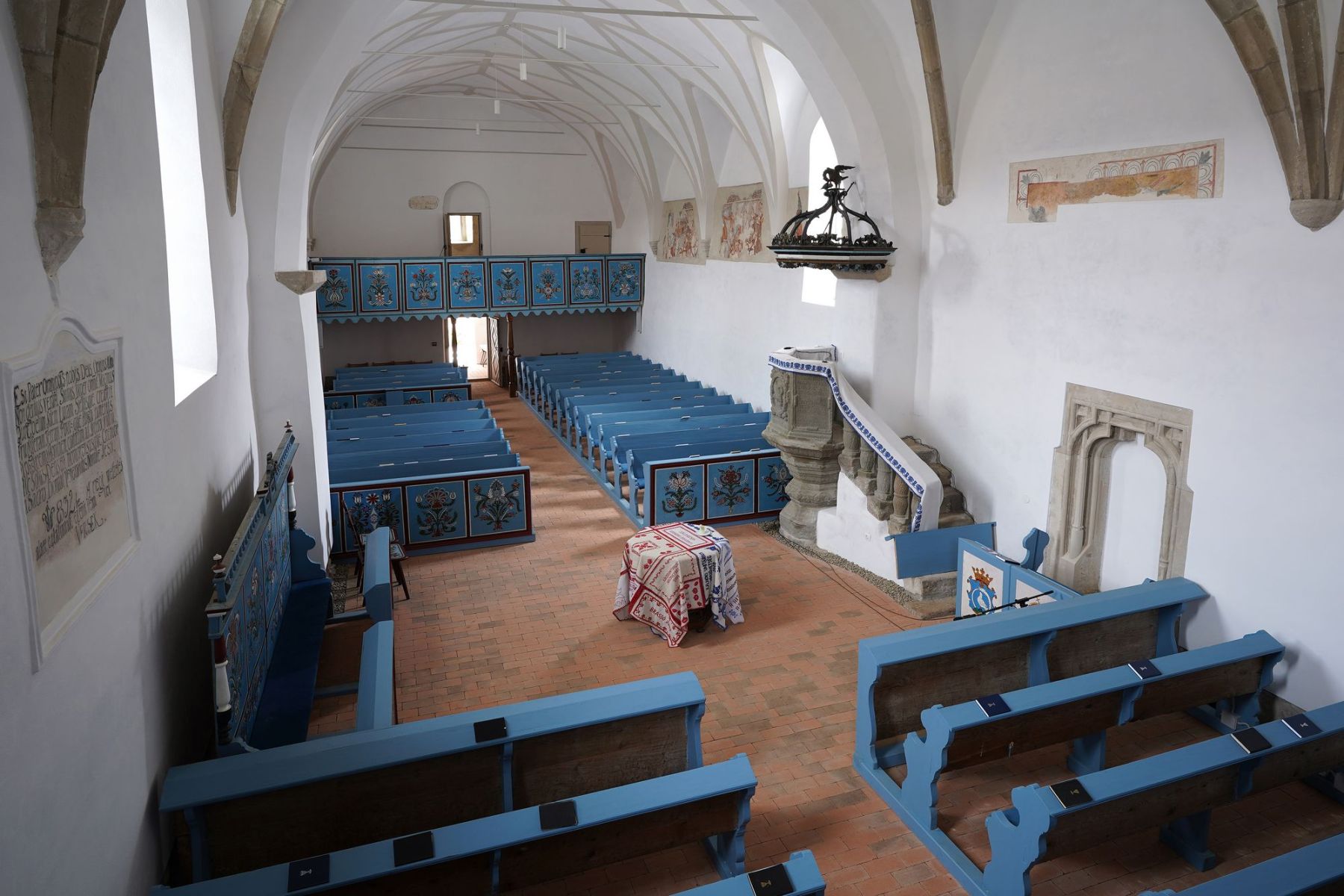
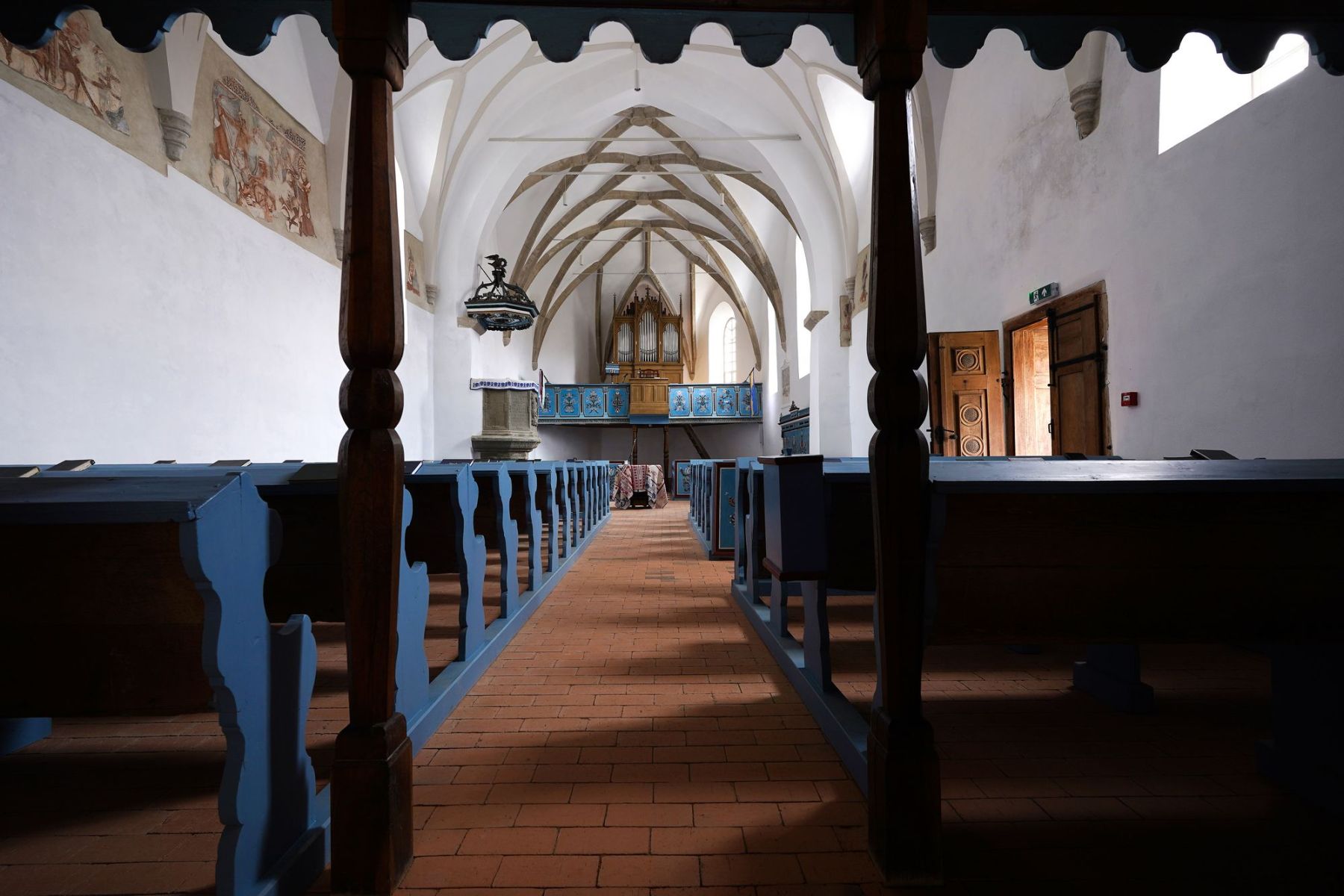
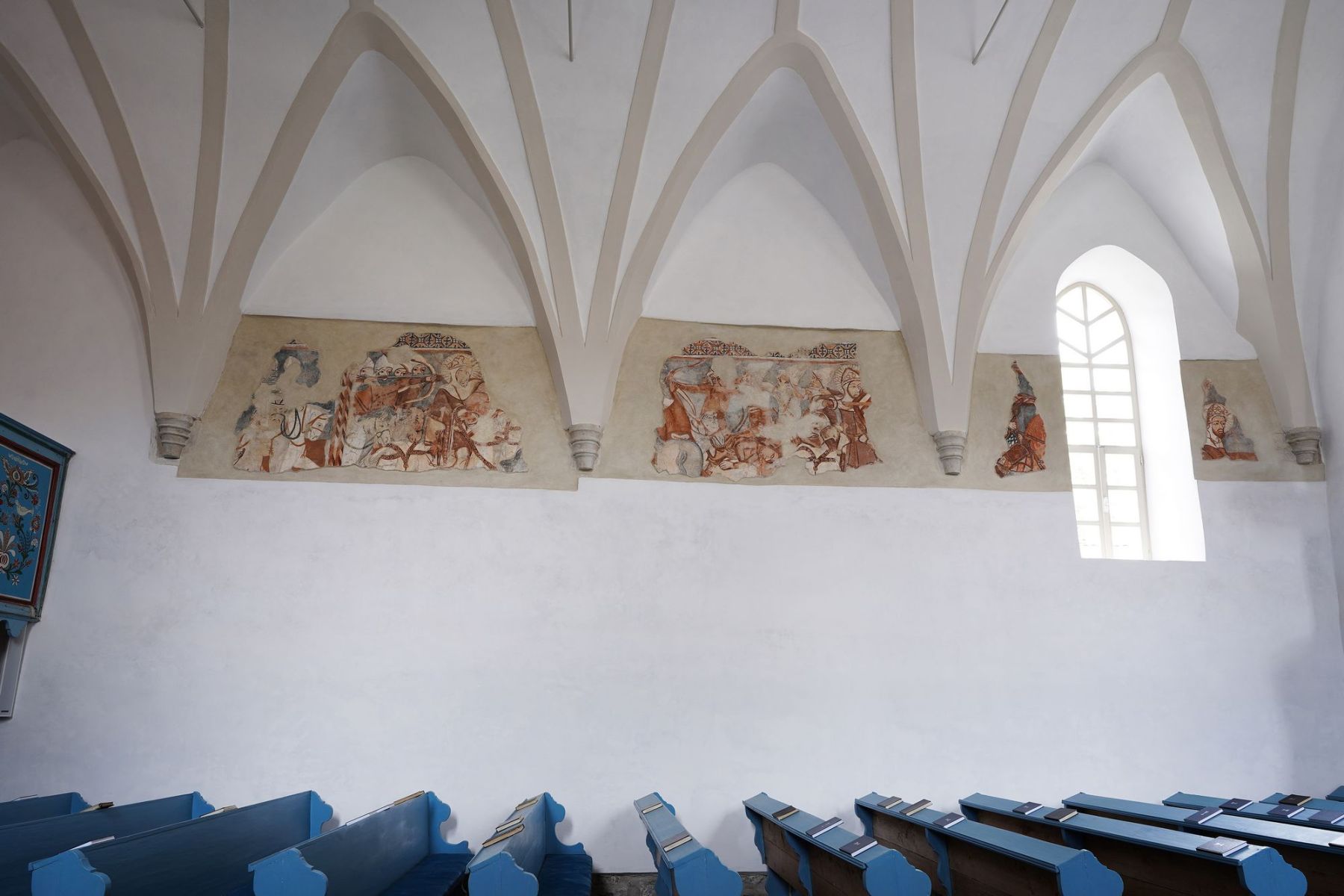
The northern wall of the nave preserves restored fragments of 15th-century frescoes depicting scenes from the legend of Saint Ladislaus I of Hungary, specifically the Battle of Kerlés (Chiraleș) of 1068. Additional fresco and secco fragments can also be observed both inside and outside the church.
In the attic space, a medieval defensive gallery with arrowslits was constructed; these openings, some partially walled up, are still visible today. The original tower, built around the turn of the 15th and 16th centuries, collapsed during the earthquake of 1802 and was later rebuilt six meters lower than before.
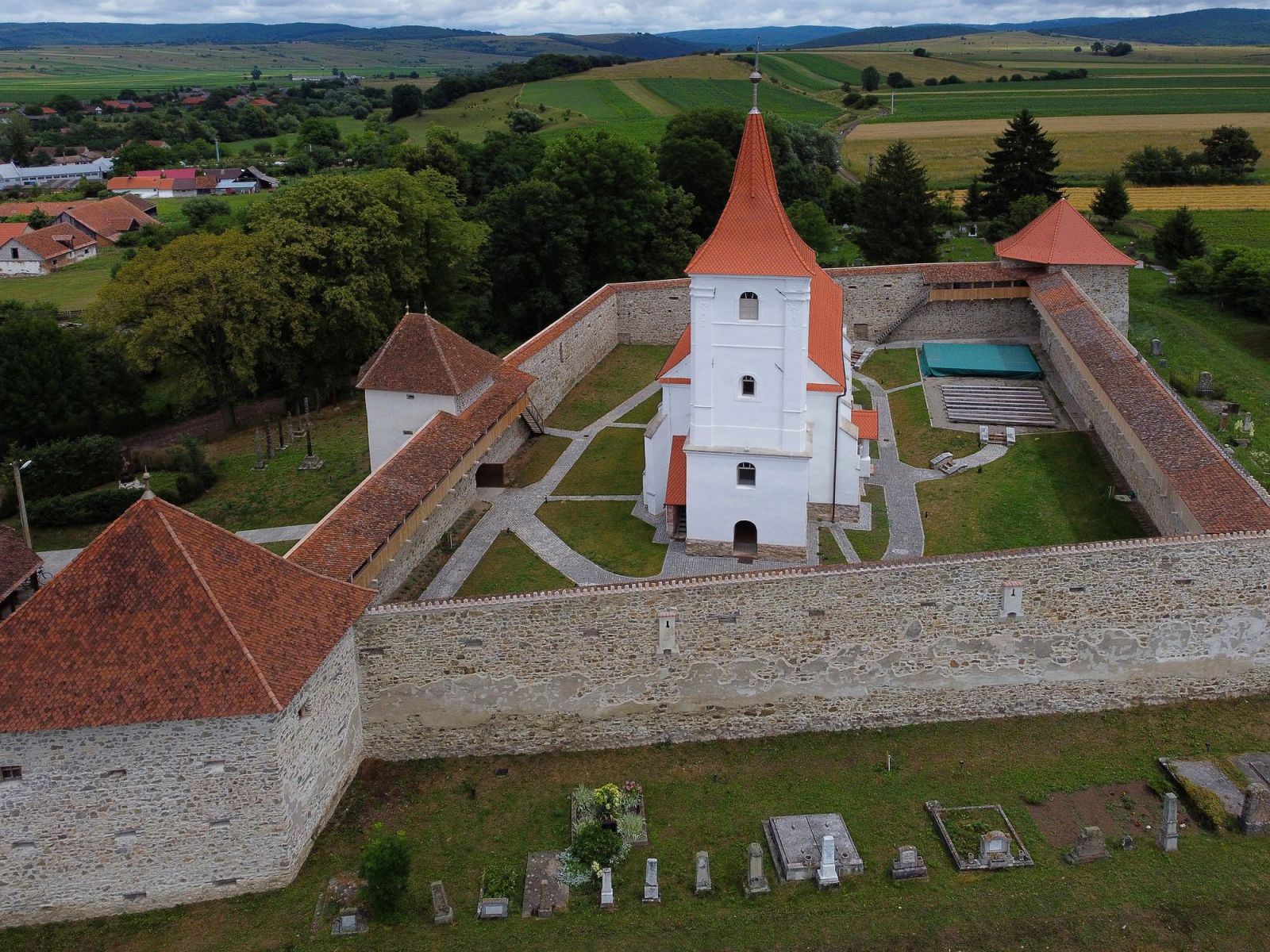
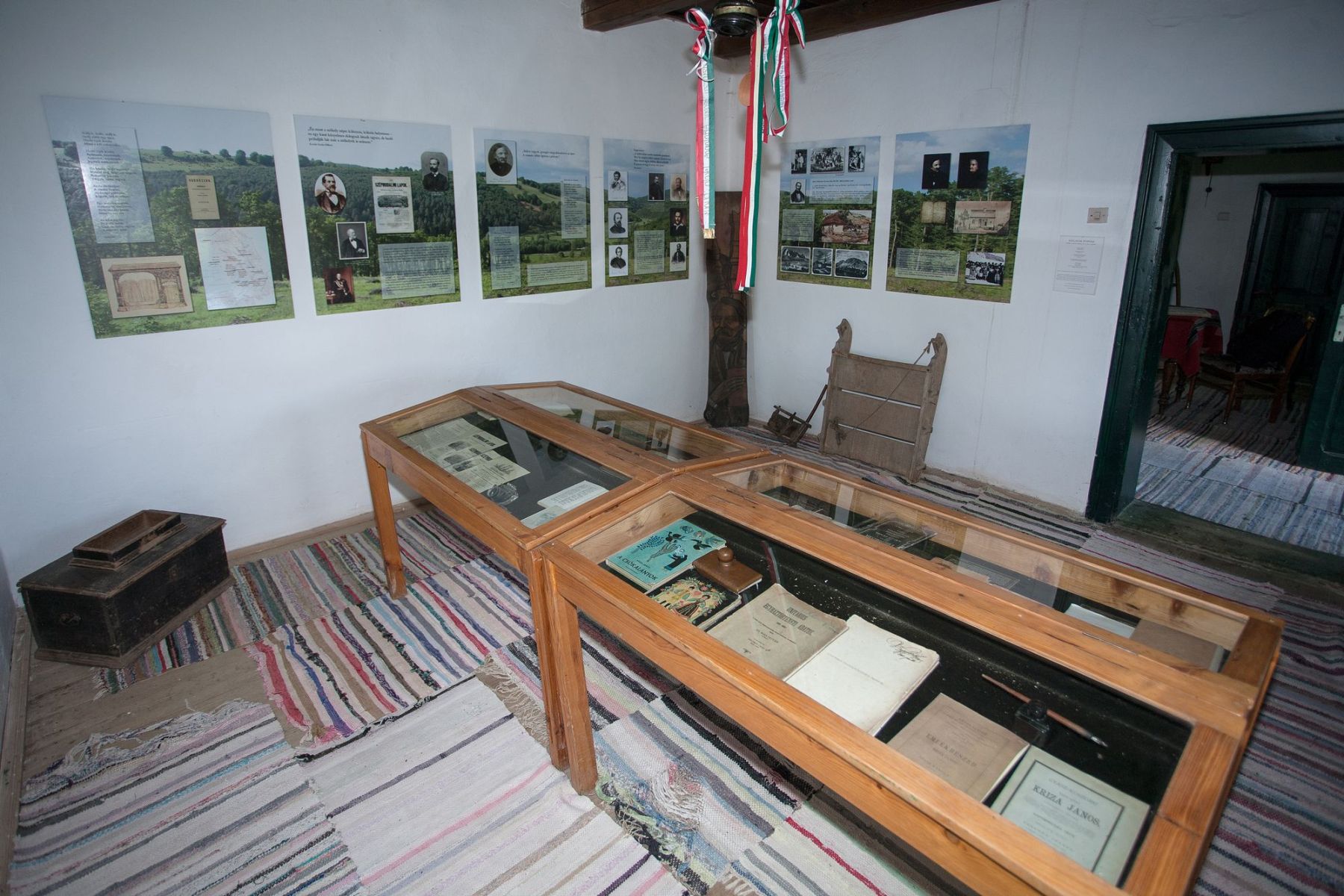
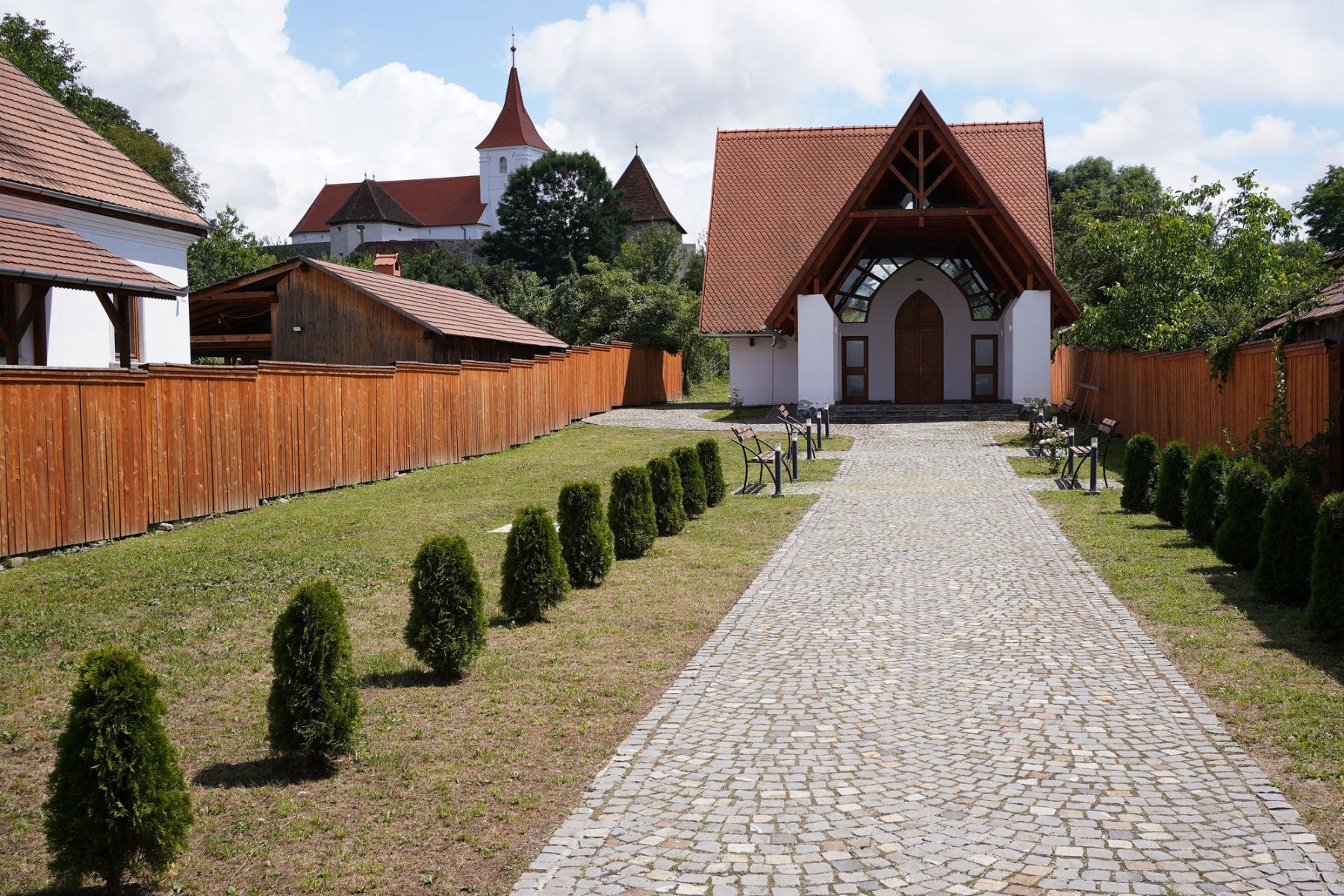
The church was enclosed within a rectangular fortification reinforced by three bastions. Two Italianate corner bastions stand diagonally opposite one another, while a pentagonal gate bastion rises along the center of the northern wall. Today, the bastions contain exhibitions dedicated to local history and the history of Unitarianism. The fortress walls are further protected by defensive earthworks on the western, southern, and eastern sides, beyond which lies the village cemetery.