Introduction
The village of Sepsikilyén (Romanian: Chilieni), today administratively part of Sfântu Gheorghe (Sepsiszentgyörgy) in Covasna County, is home to one of the most significant collections of medieval church murals preserved in Székely Land. Hidden within the walls of its Unitarian church is an extensive cycle of paintings dating from the fourteenth and fifteenth centuries, offering a rare glimpse into the religious art and visual culture of medieval Transylvania.
The Church
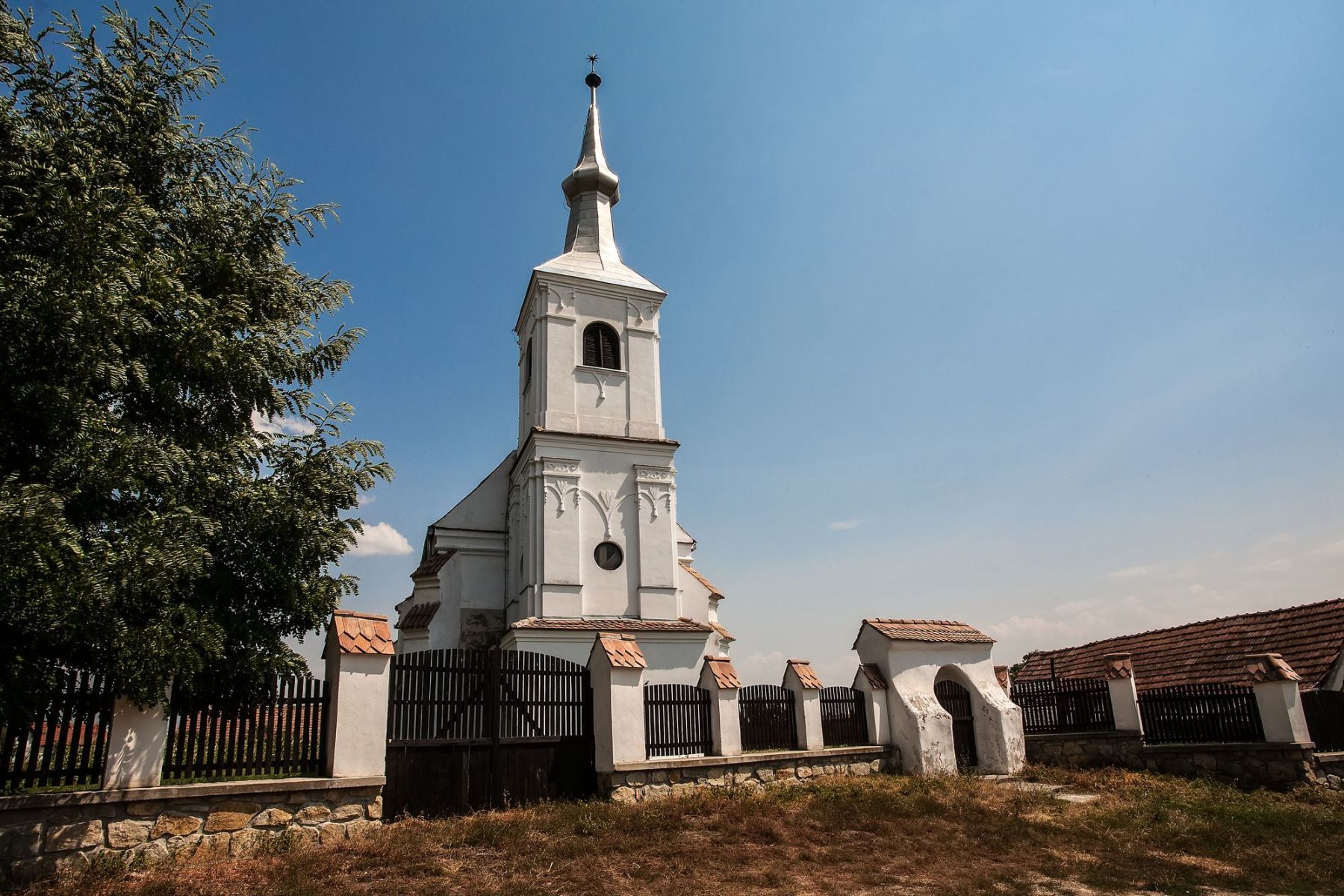
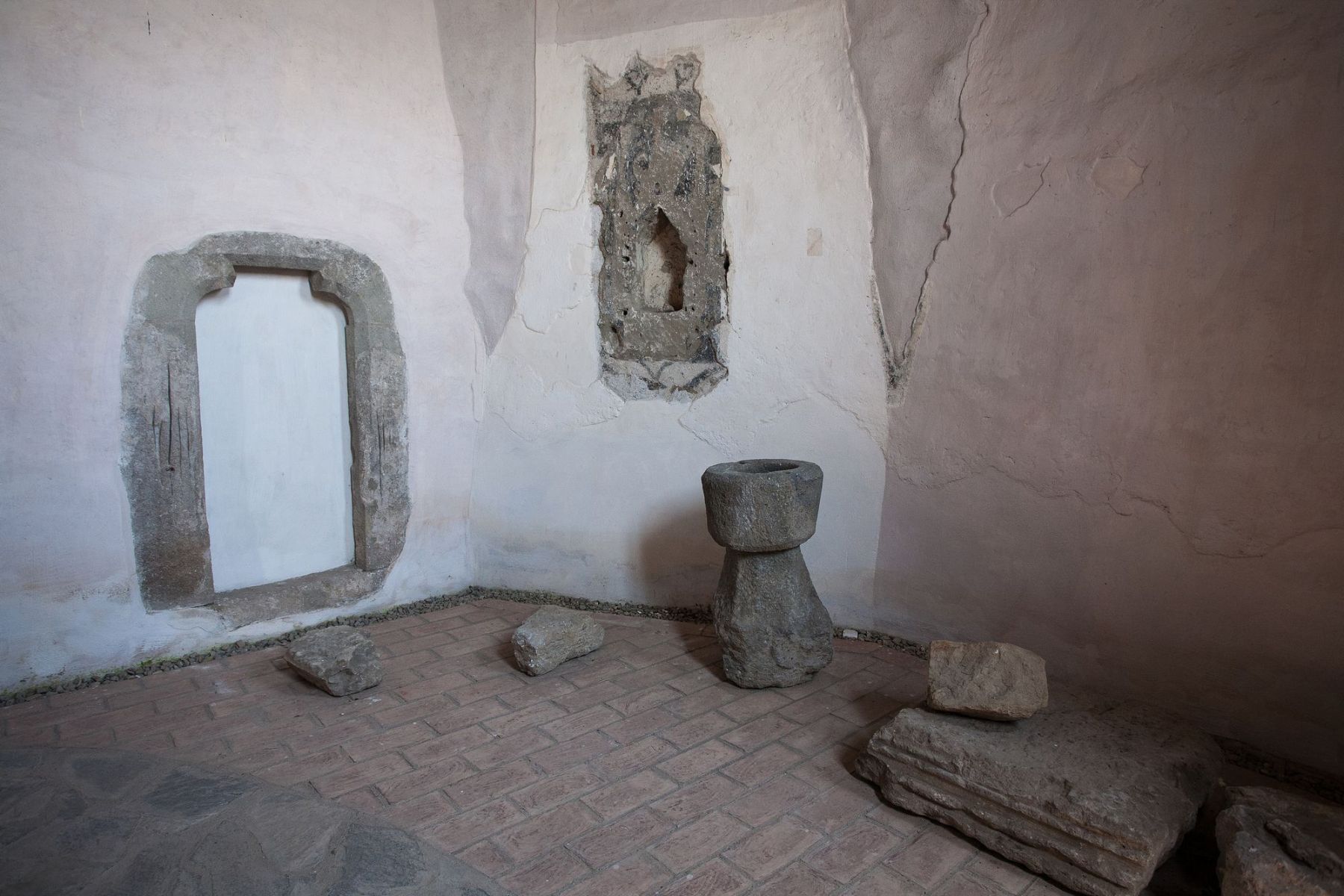
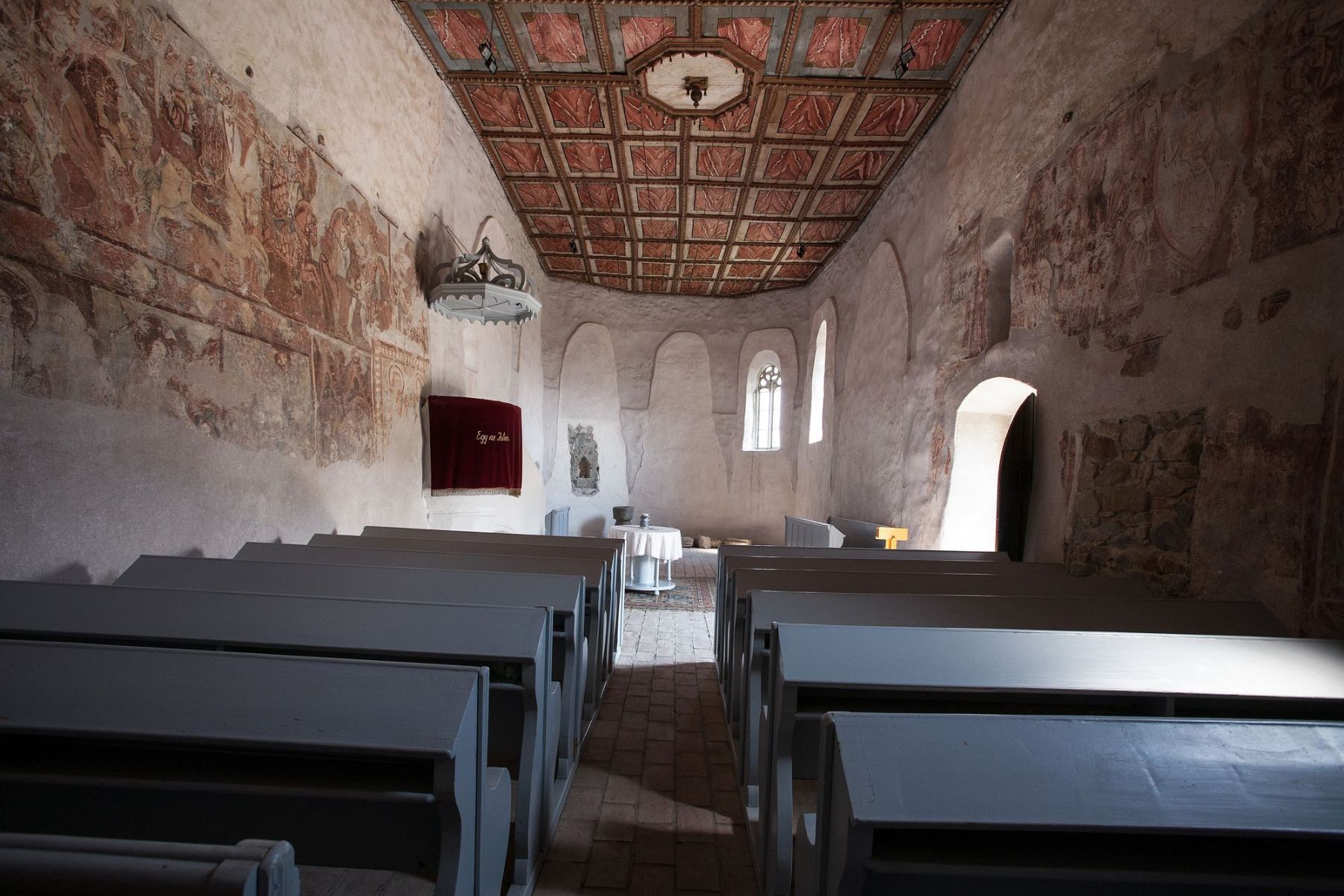
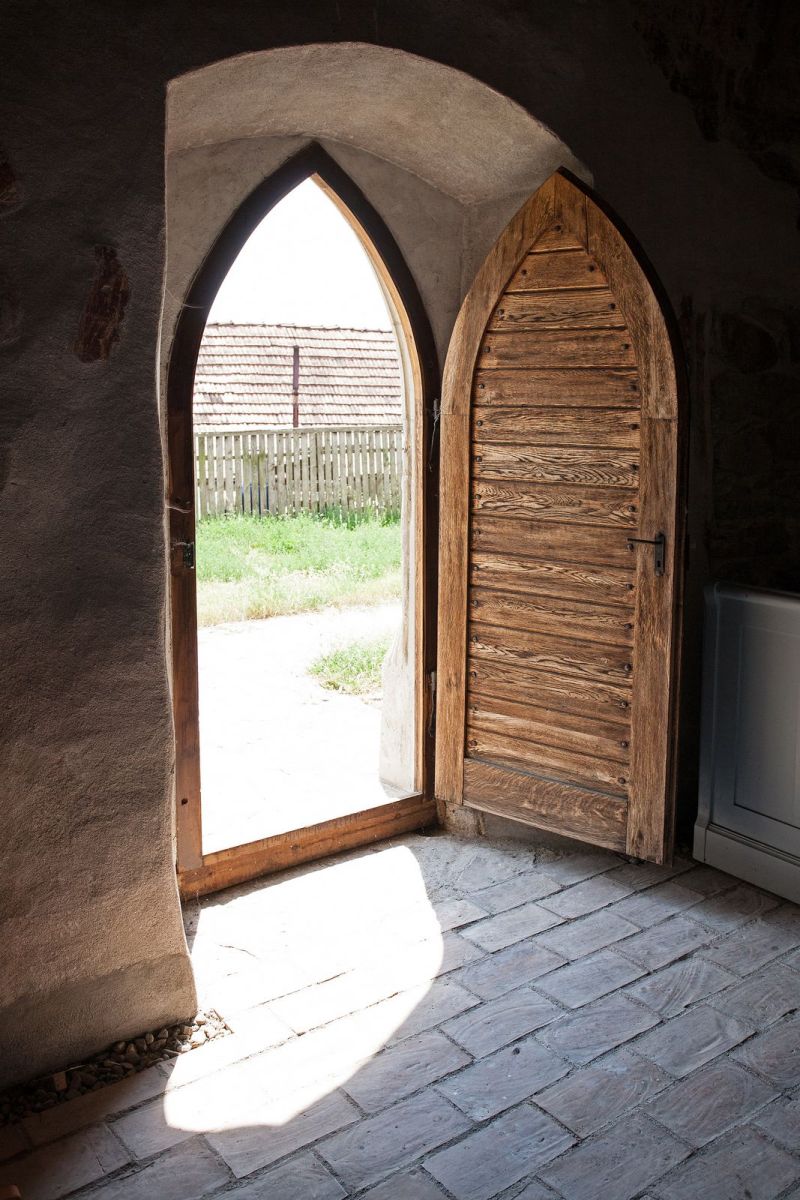
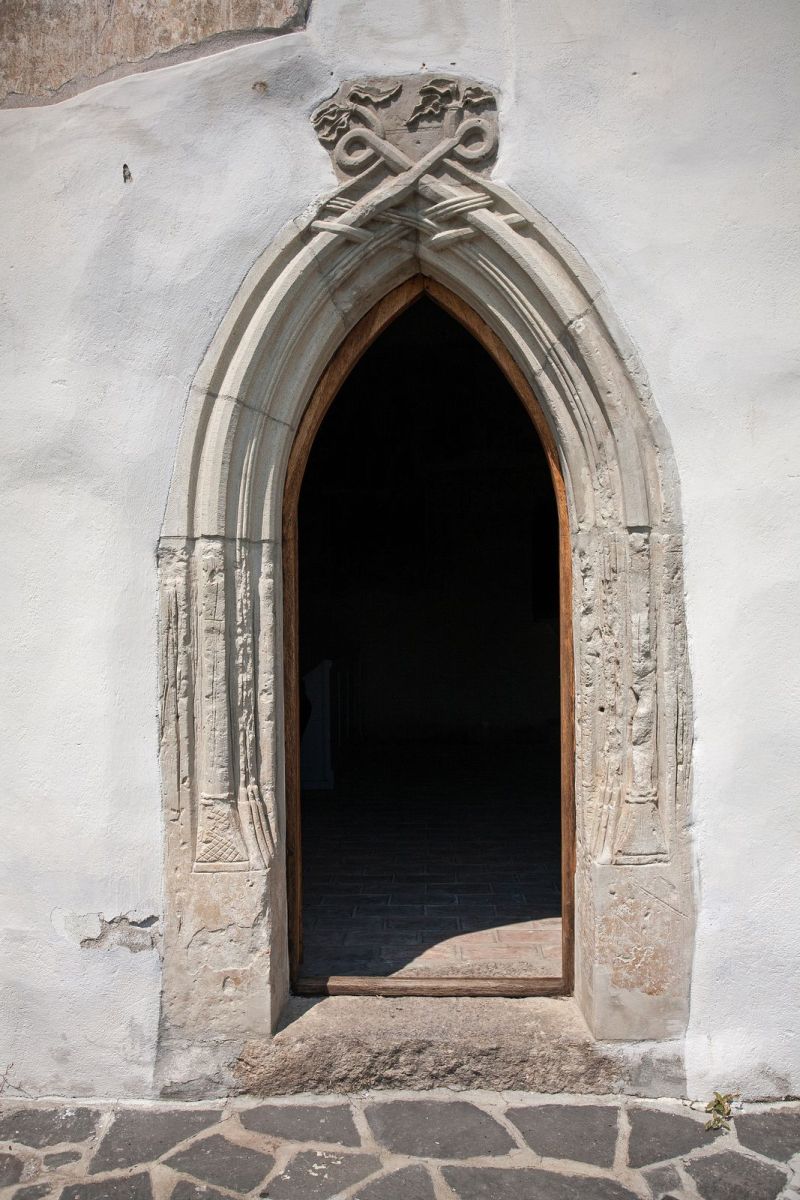
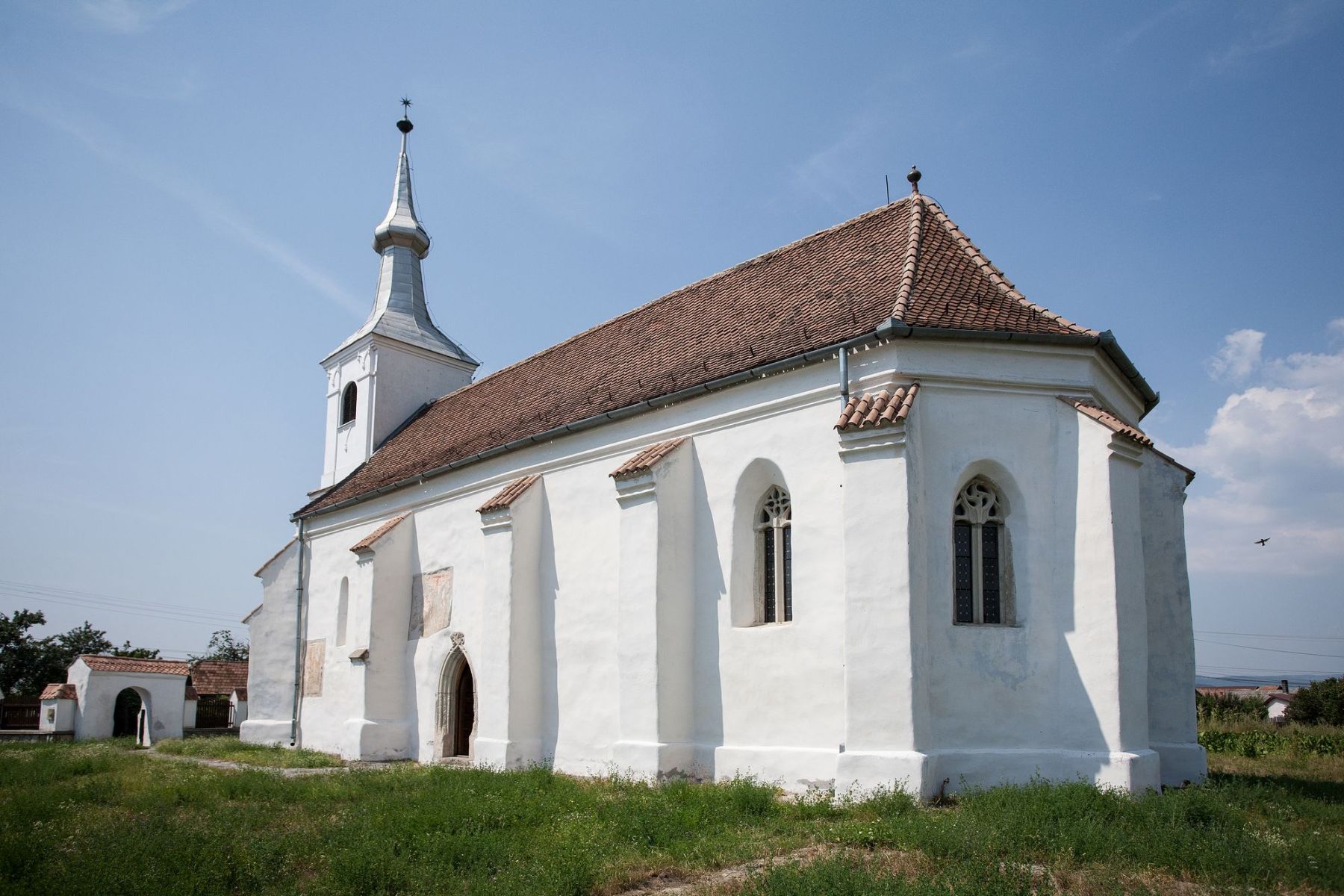
The Unitarian church of Sepsikilyén is a historic monument whose oldest surviving sections date back to the thirteenth century. Over the centuries, the building underwent several alterations and reconstructions, while preserving important elements of its medieval fabric. Archaeological and architectural investigations have revealed traces of earlier phases of the church, including the remains of a medieval sacristy that once stood beside the sanctuary.
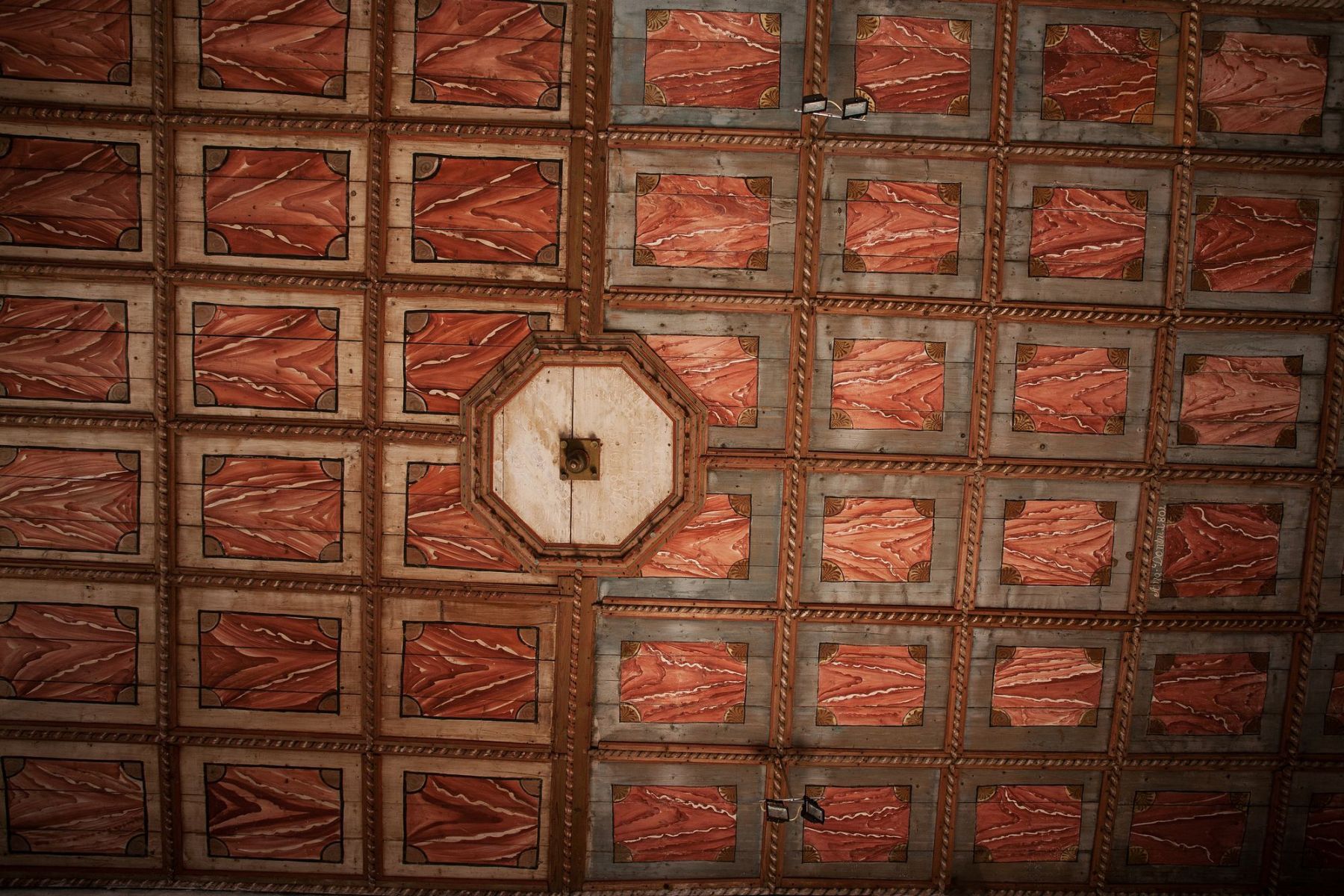
The church tower was built in 1829, and major restoration campaigns during the late twentieth and early twenty-first centuries helped preserve and reveal many of the building’s historic treasures.
The Medieval Murals
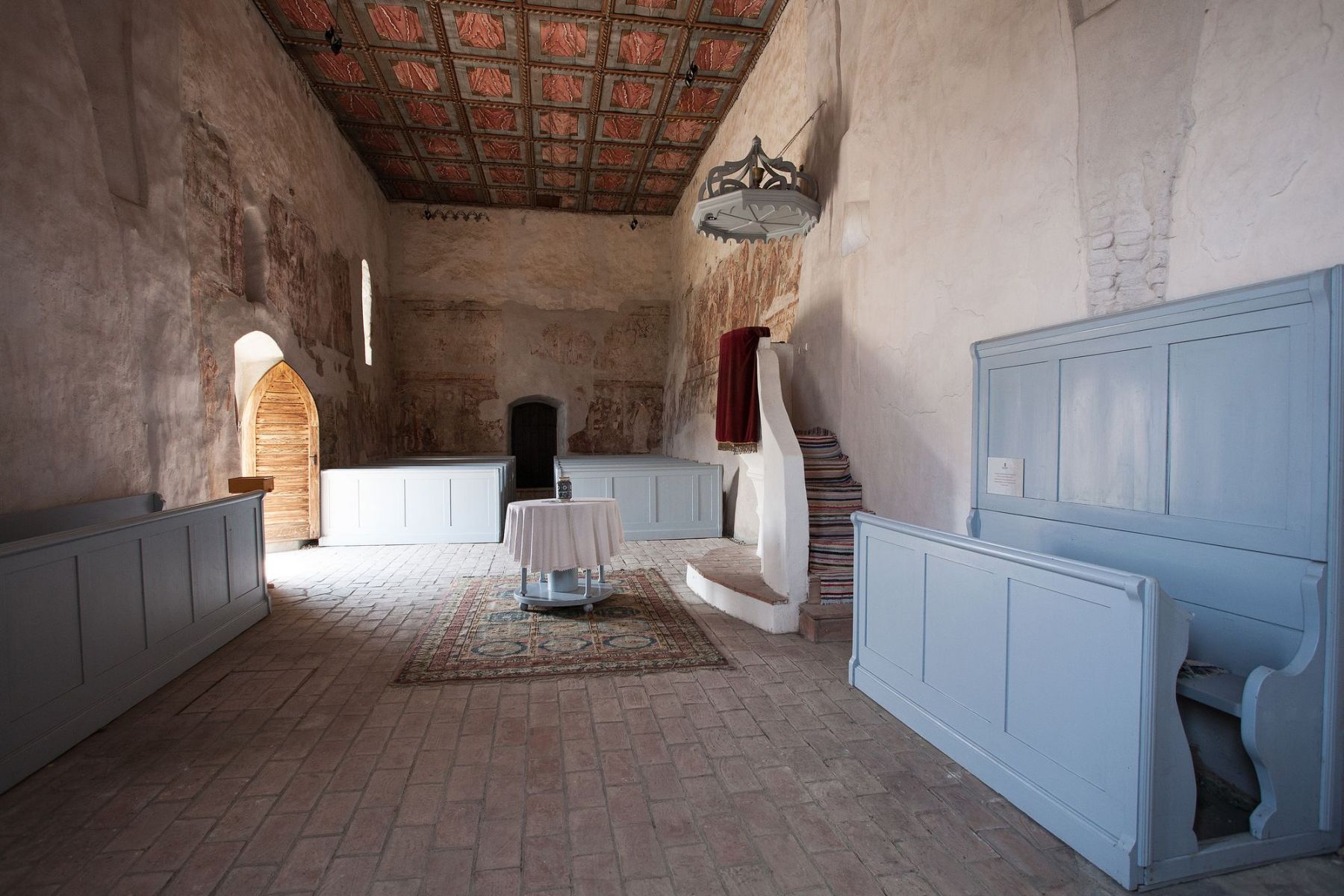
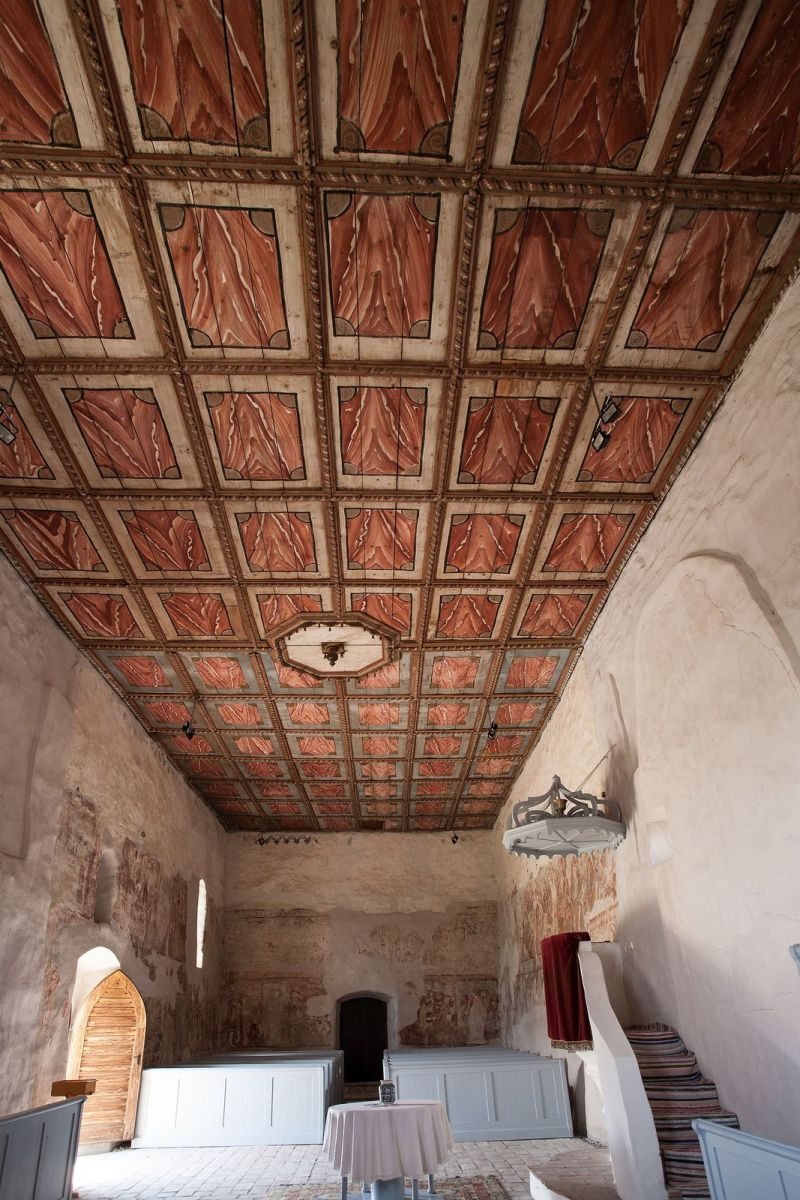
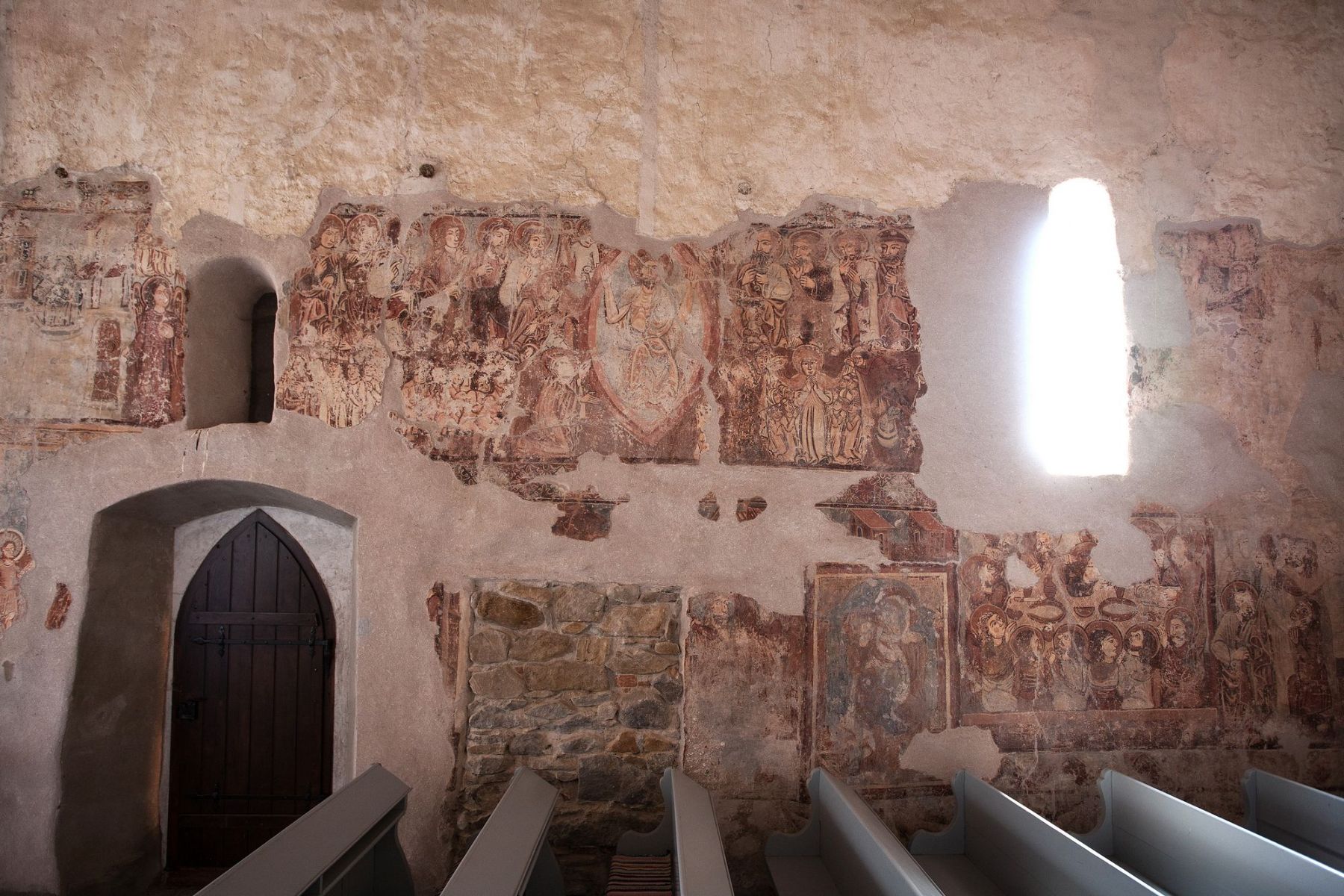
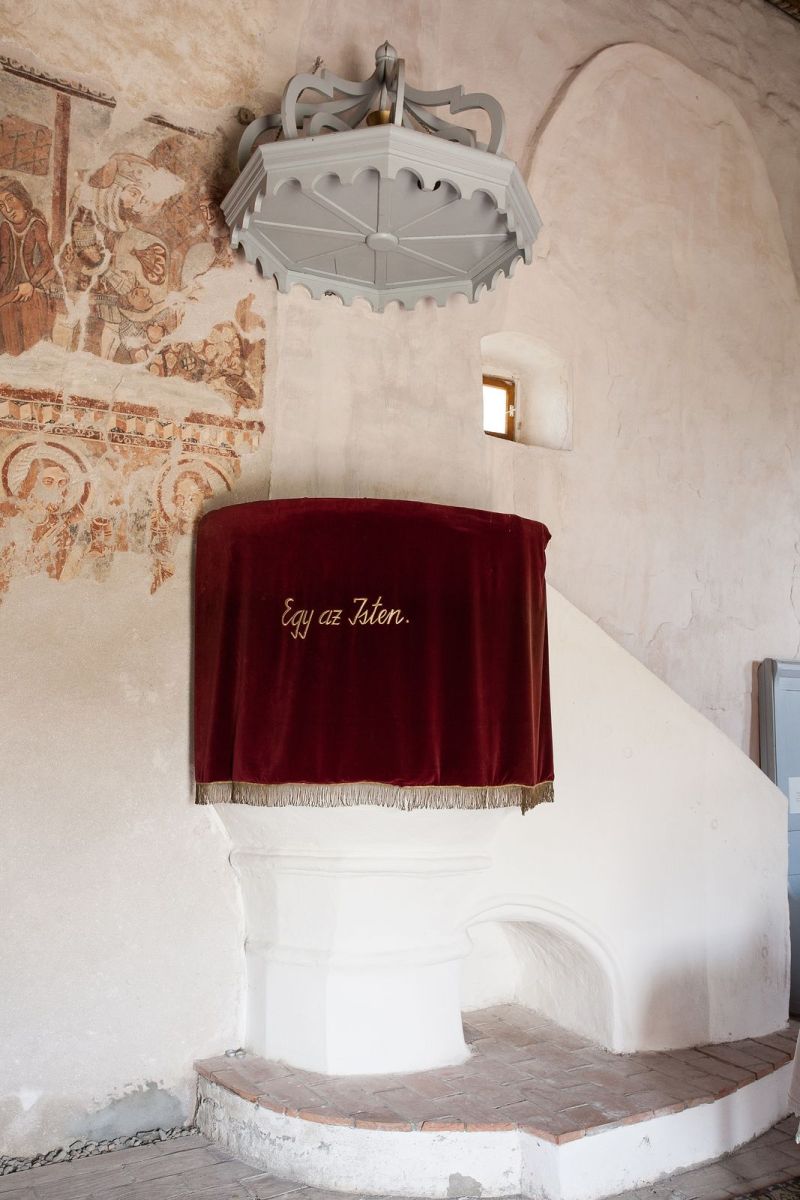
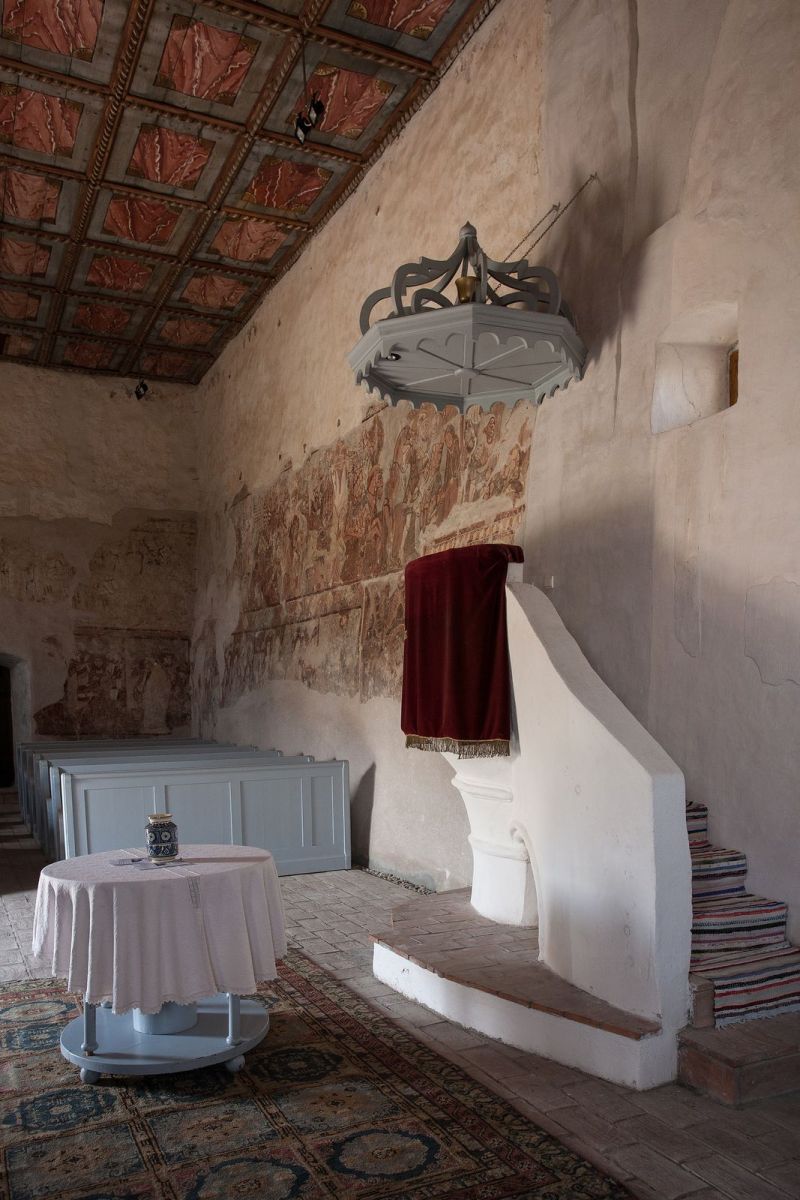
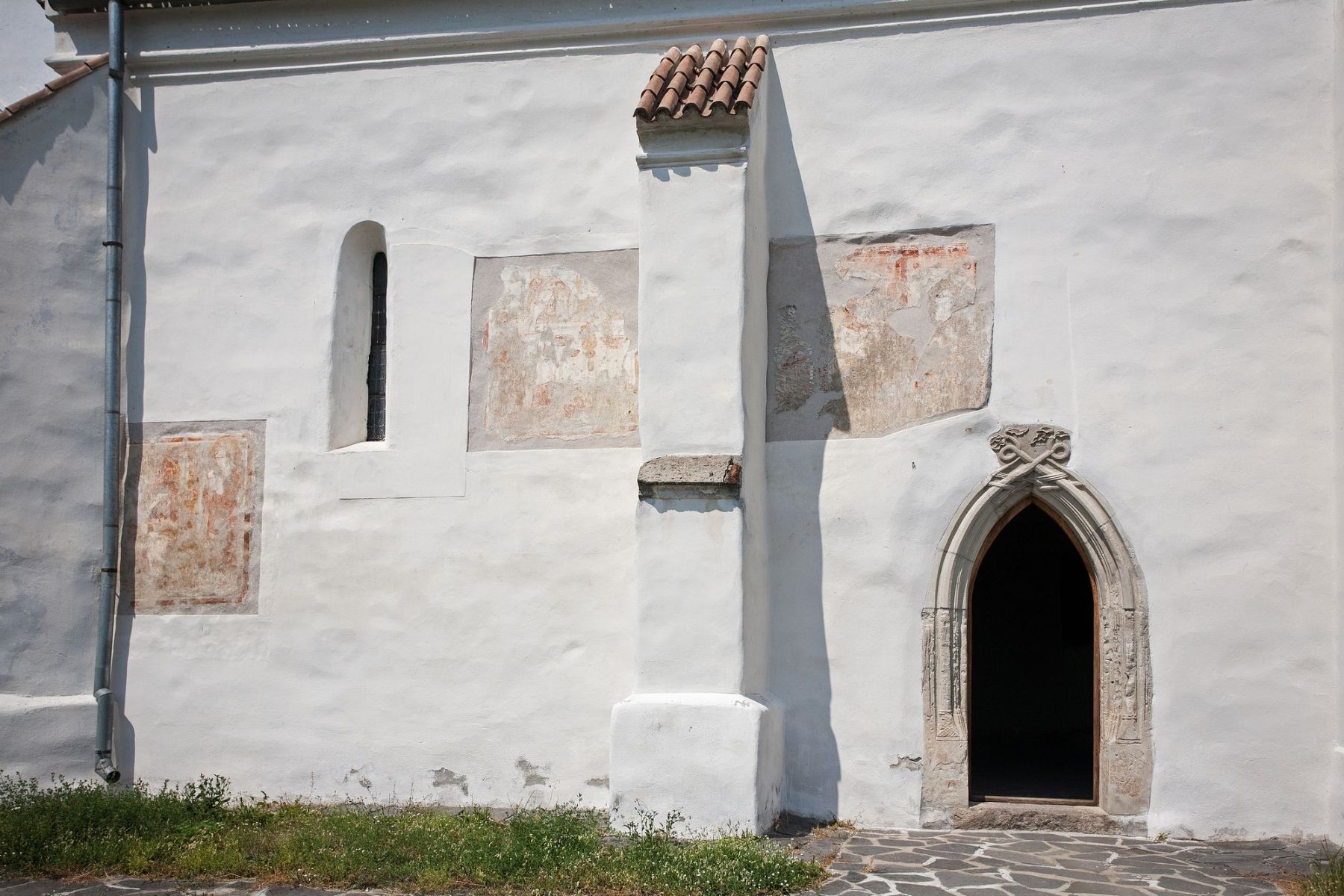
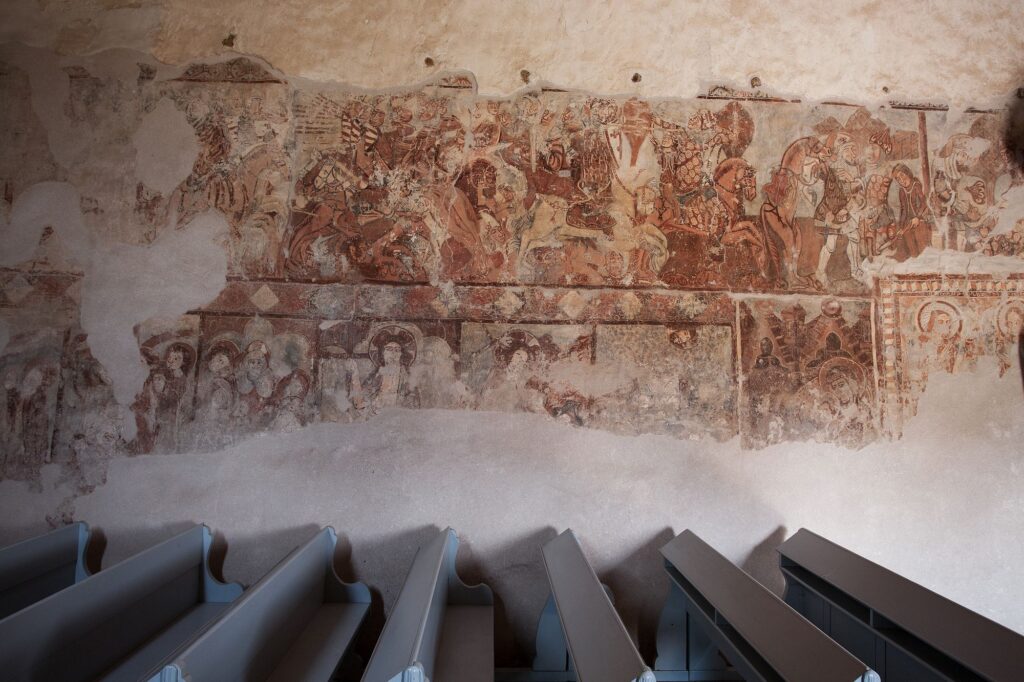
The most remarkable artistic feature of the church is its extensive mural decoration, created during the fourteenth and fifteenth centuries. These paintings cover large sections of the interior walls and represent some of the finest surviving examples of medieval ecclesiastical art in eastern Transylvania.
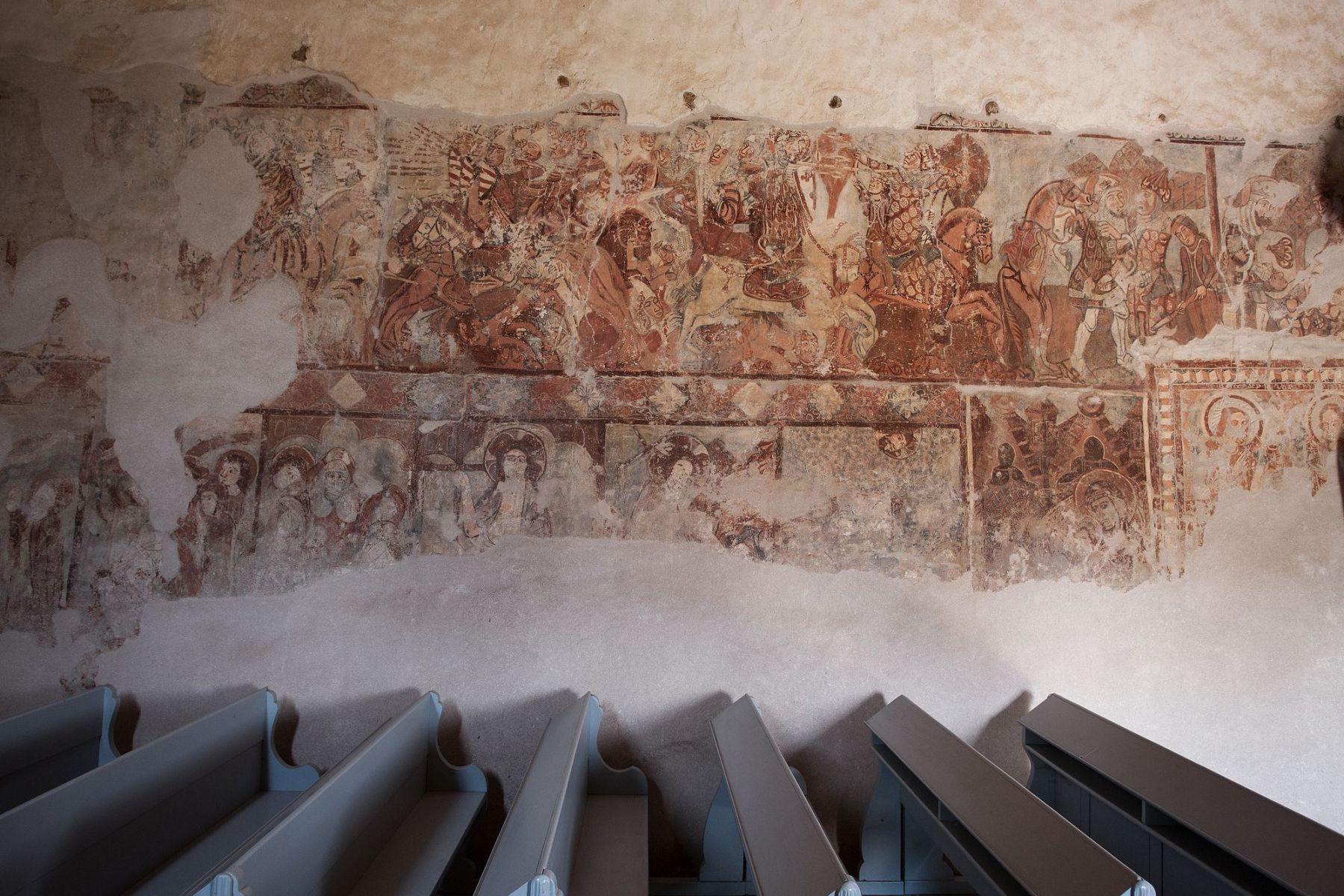
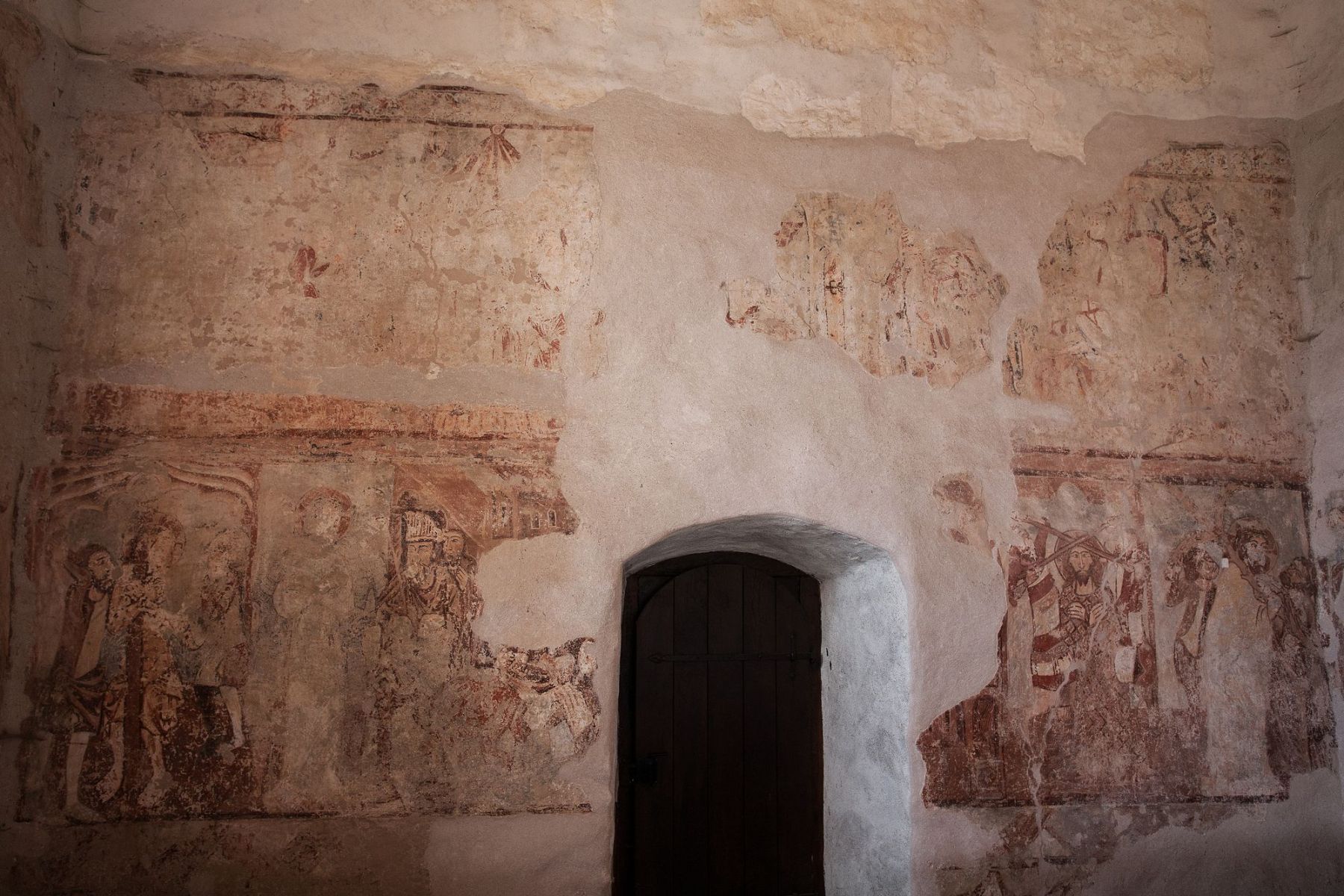
The murals depict three major thematic cycles:
- The Legend of Saint Ladislaus
- The Passion of Christ
- The Last Judgment
Together, these scenes formed a visual catechism for medieval worshippers, communicating biblical narratives and moral teachings through images at a time when literacy was limited.
The Legend of Saint Ladislaus
Among the most valuable sections of the mural program is the cycle illustrating the Legend of Saint Ladislaus, one of the most beloved themes of medieval Hungarian church art. The scenes are located in the upper registers of the northern and western walls and recount the famous battle of King Ladislaus I against a Cuman warrior and his rescue of a captured maiden.
The Sepsikilyén paintings belong to a wider group of Saint Ladislaus fresco cycles found throughout the former Kingdom of Hungary, but their preservation within a Unitarian church makes them especially noteworthy. They provide a tangible connection between the medieval origins of the building and its later history within the Unitarian tradition.
The Passion of Christ and the Last Judgment
Beneath the Saint Ladislaus cycle, visitors can still identify scenes from the Passion of Christ, depicting key moments of Christ’s suffering and sacrifice.
On the upper section of the southern wall, a monumental representation of the Last Judgment forms one of the most impressive elements of the decorative program. Below it, traces of the Last Supper can also be recognized. Together, these paintings reflect the theological themes that dominated late medieval religious art, emphasizing salvation, judgment, and eternal life.
The murals demonstrate the high artistic standards of the workshops active in medieval Transylvania and reveal the close cultural connections between the region and broader European artistic traditions.
Rediscovery and Restoration
For centuries, much of the medieval decoration remained hidden beneath later layers of plaster and paint. Restoration and archaeological work carried out during the twentieth century gradually brought these paintings back to light.
Following major conservation campaigns between 1994 and 2004, the medieval murals were fully restored and preserved for future generations. Additional restoration work, supported by Hungarian funding, contributed to safeguarding one of the most important surviving fresco ensembles in Székely Land.
Artistic and Historical Significance
The murals of Sepsikilyén are more than decorative works of art. They are rare historical documents that preserve the religious imagination, artistic traditions, and cultural values of medieval Transylvania. Their survival through centuries of religious change, warfare, rebuilding, and neglect makes them an invaluable part of the heritage of both the Unitarian Church and the wider Carpathian Basin.
Today, the church stands among the most important sites for the study of medieval mural painting in eastern Transylvania and remains a remarkable witness to the region’s rich cultural history.
Visiting Sepsikilyén
The Unitarian church of Sepsikilyén offers visitors an opportunity to encounter one of the hidden treasures of Transylvanian sacred art. Within its historic walls, medieval frescoes depicting Saint Ladislaus, the Passion of Christ, and the Last Judgment continue to tell their stories more than five hundred years after they were painted. The church remains an exceptional destination for anyone interested in history, art, and the religious heritage of Transylvania.