Introduction
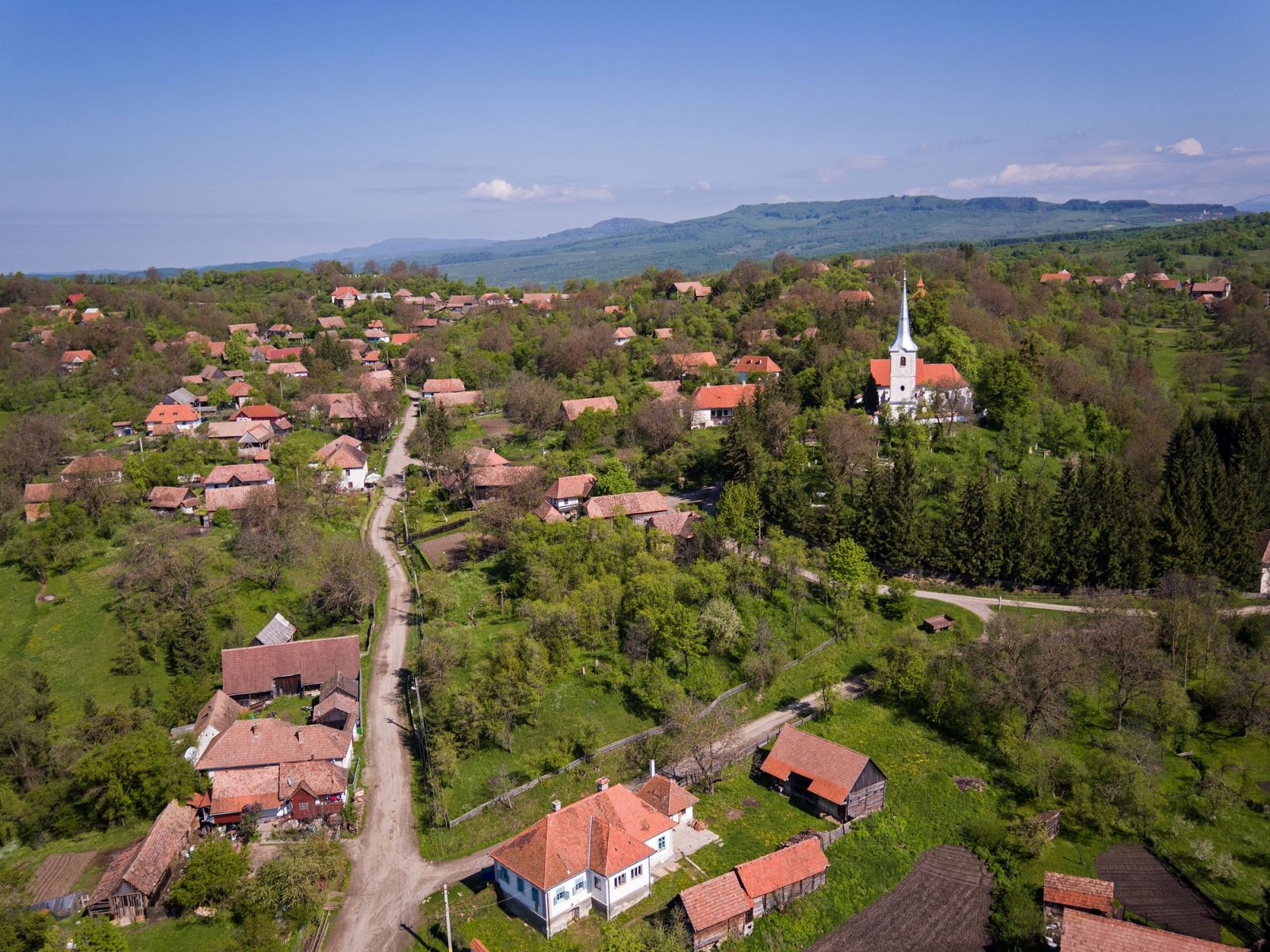
Nestled among the rolling hills of the Harghita Highlands, Énlaka (Romanian: Inlăceni) is one of the most remarkable historic villages of Székely Land. Though small in size, the village holds a distinguished place in the cultural and religious heritage of Transylvania. Its Unitarian church preserves a masterpiece of seventeenth-century folk and ecclesiastical art: a magnificent painted coffered ceiling that attracts visitors, historians, and art lovers from around the world.
The Unitarian Church
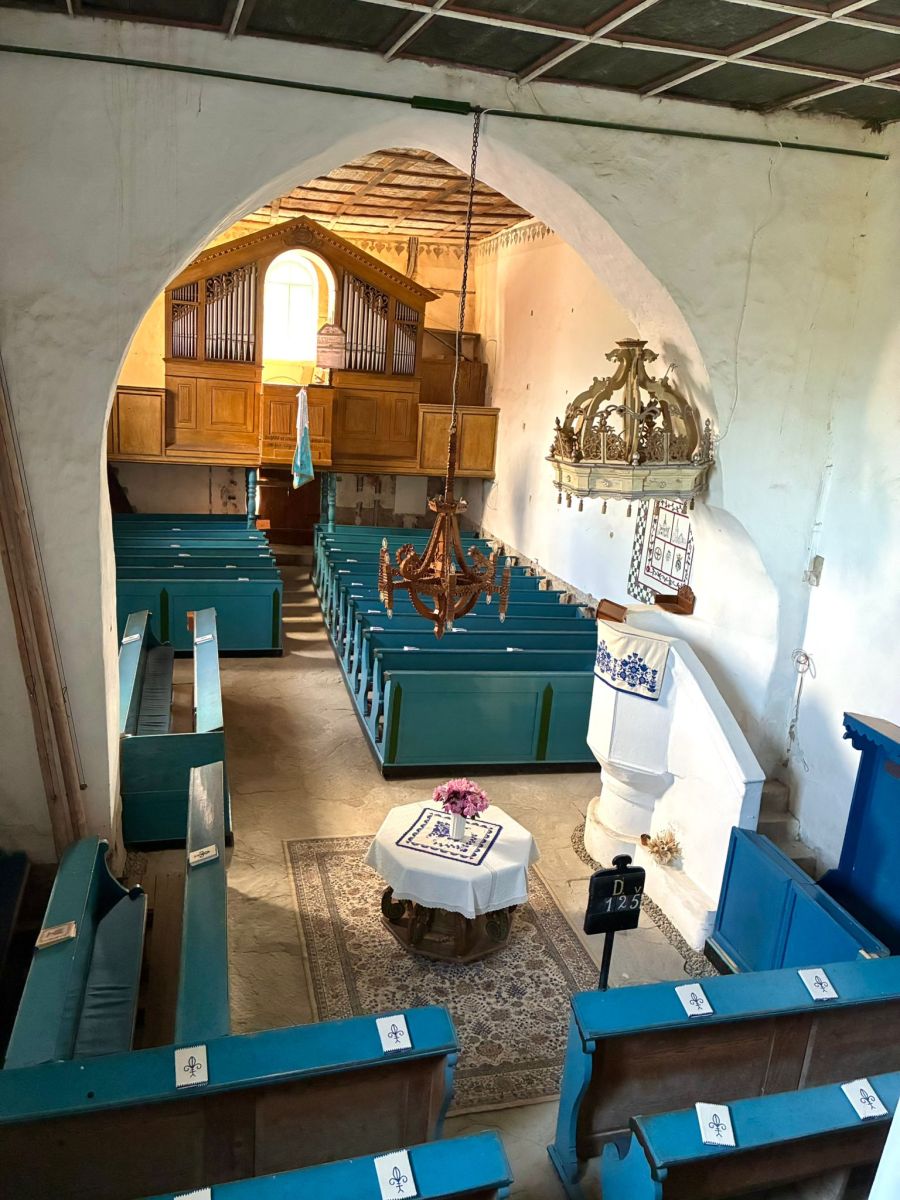
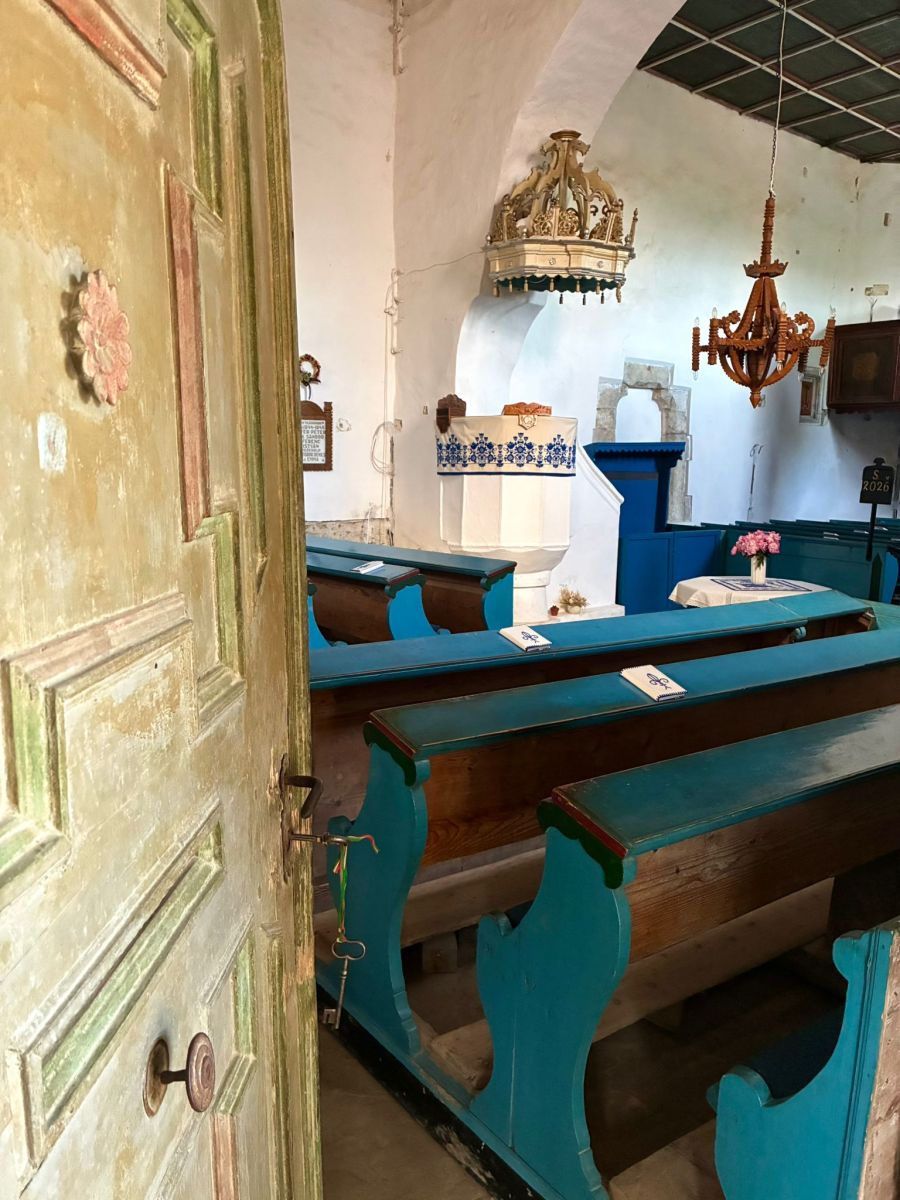
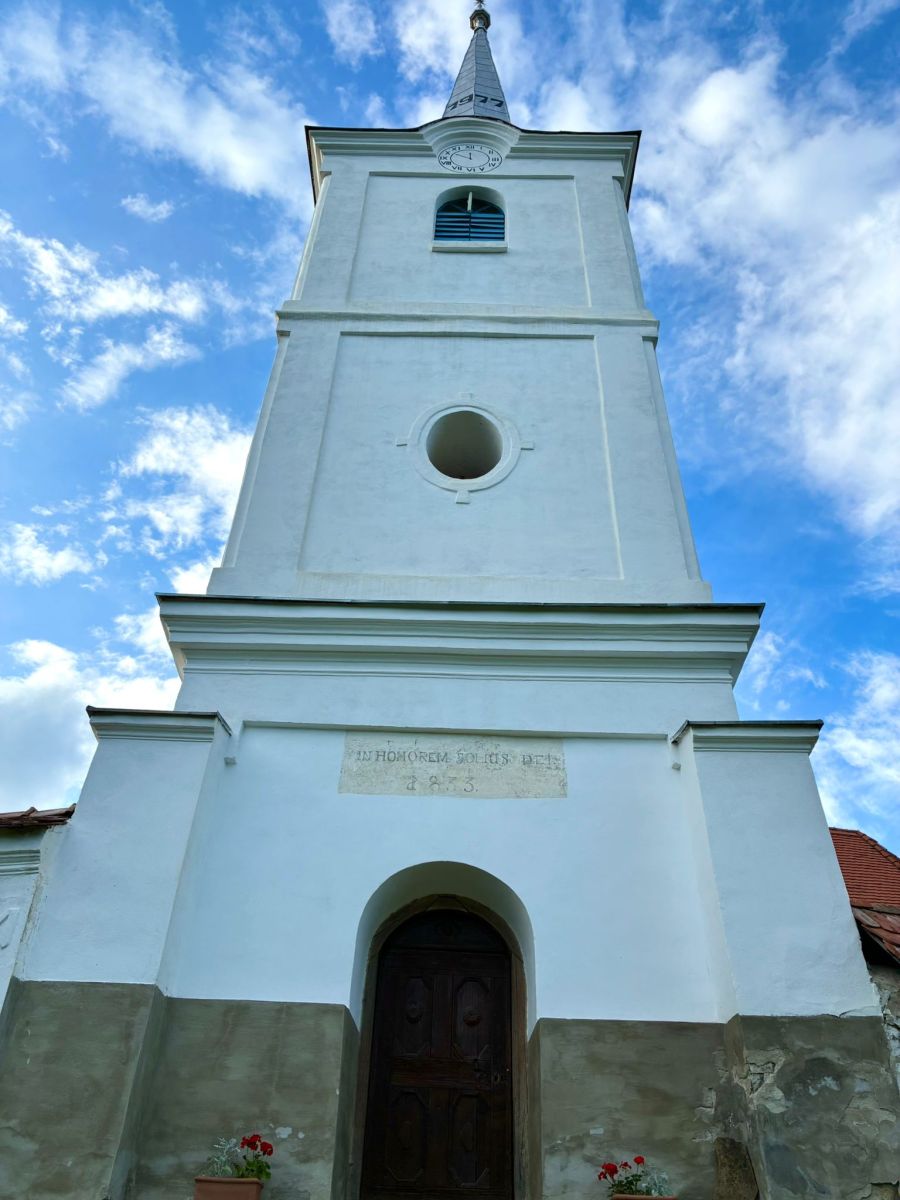
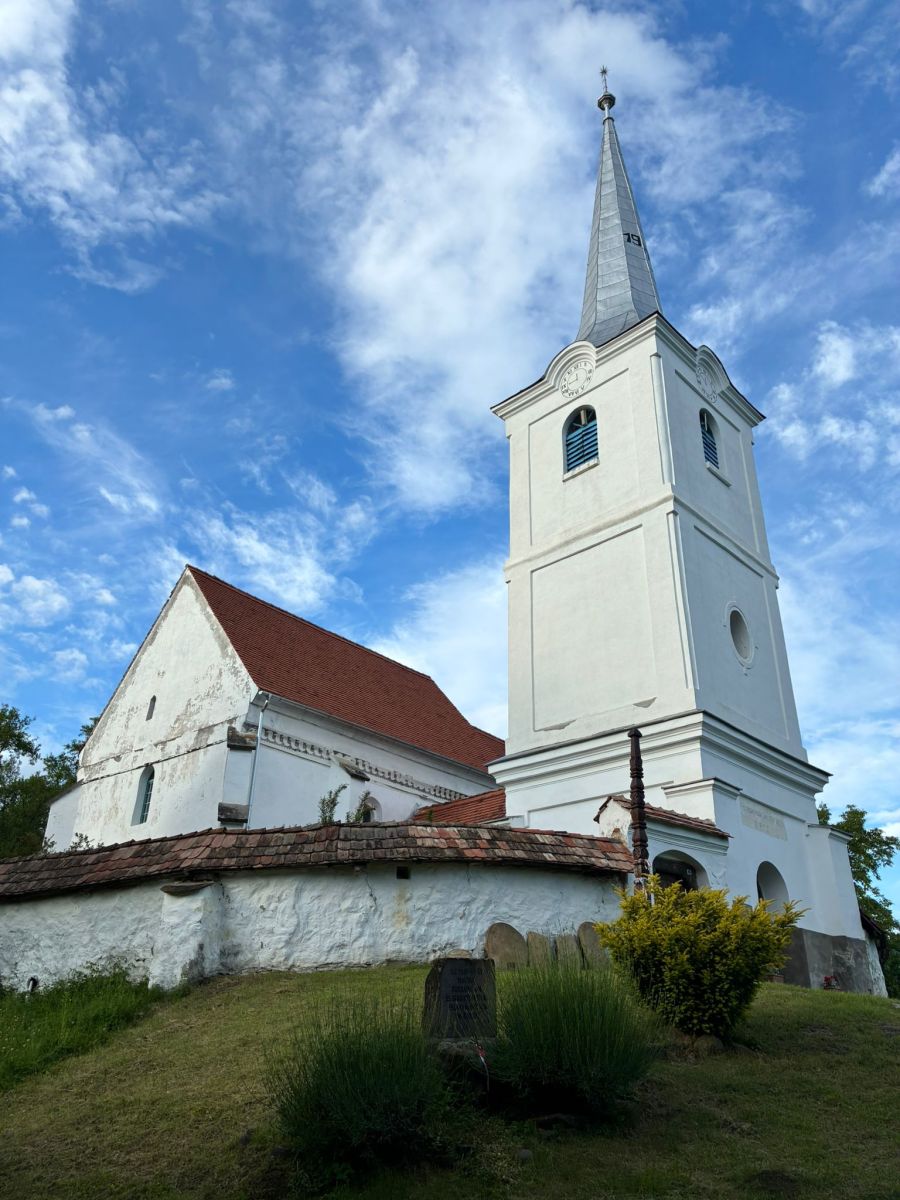
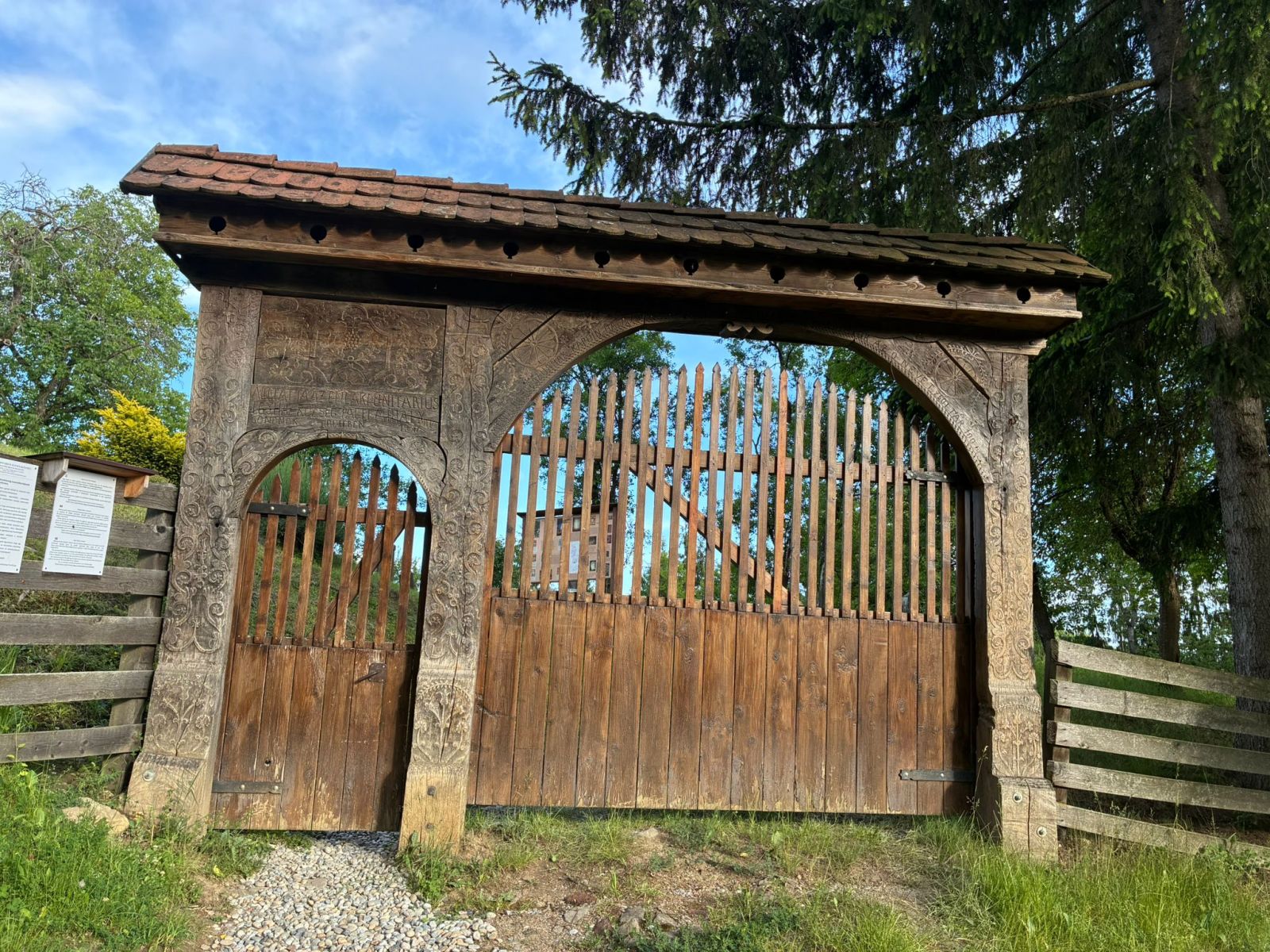
The Unitarian church stands on a hill overlooking the village, surrounded by a defensive stone wall. The present building dates largely from the fifteenth century, although archaeological investigations suggest the existence of an earlier medieval church from the twelfth or thirteenth century.
The church suffered severe damage during a Tatar invasion in 1661. The subsequent reconstruction gave the church much of its present appearance and resulted in the creation of its most celebrated artistic treasure.
The Painted Coffered Ceiling
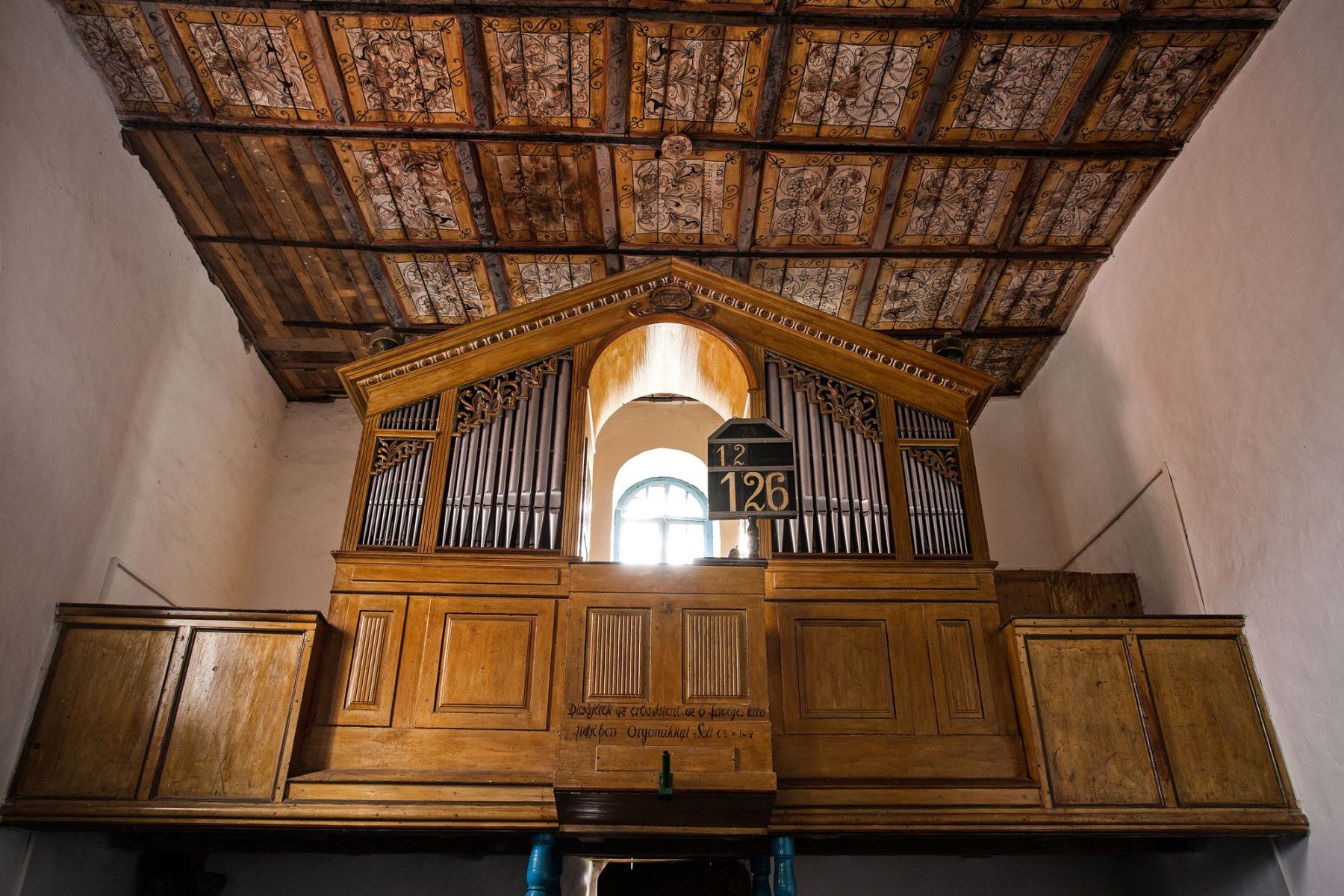
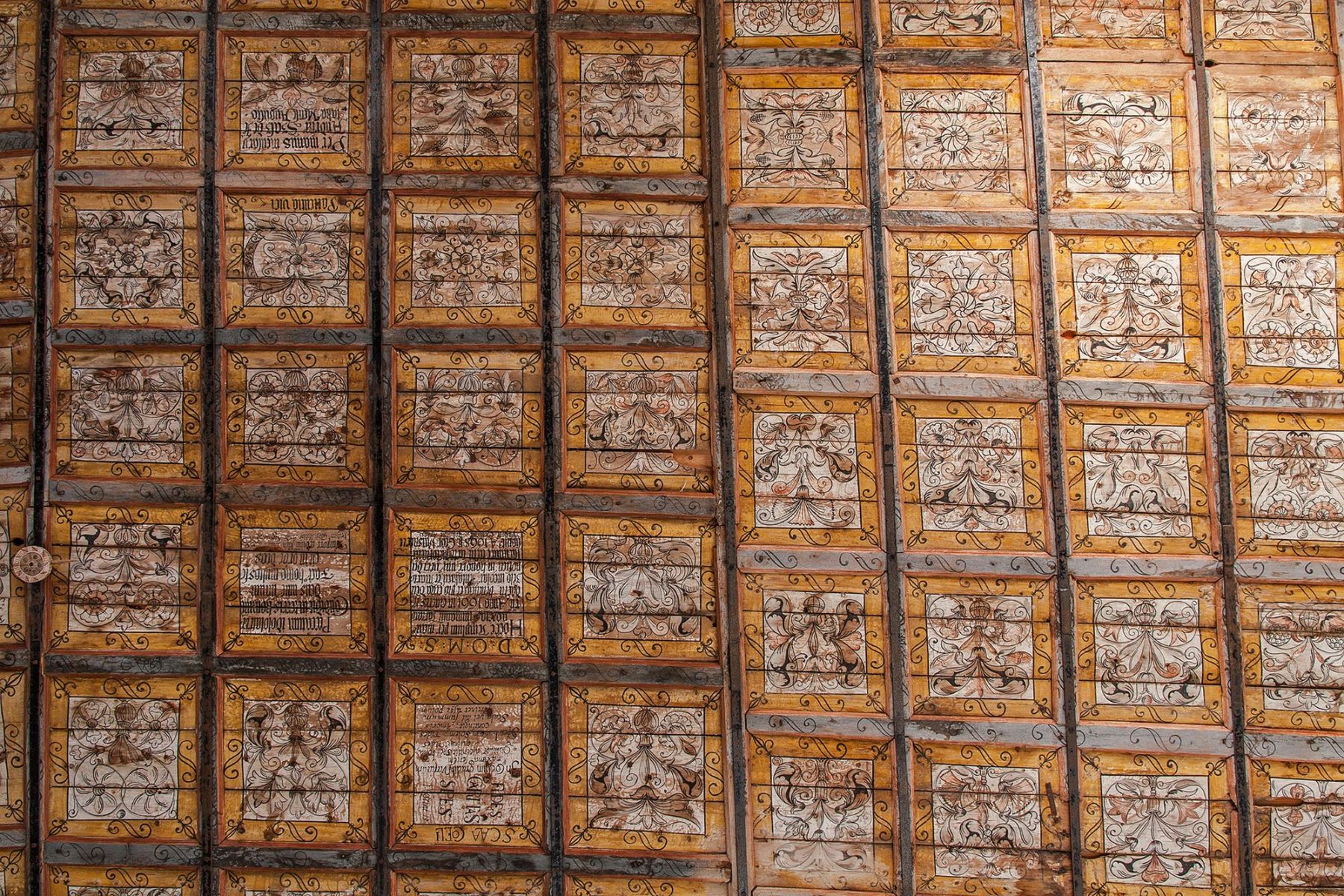
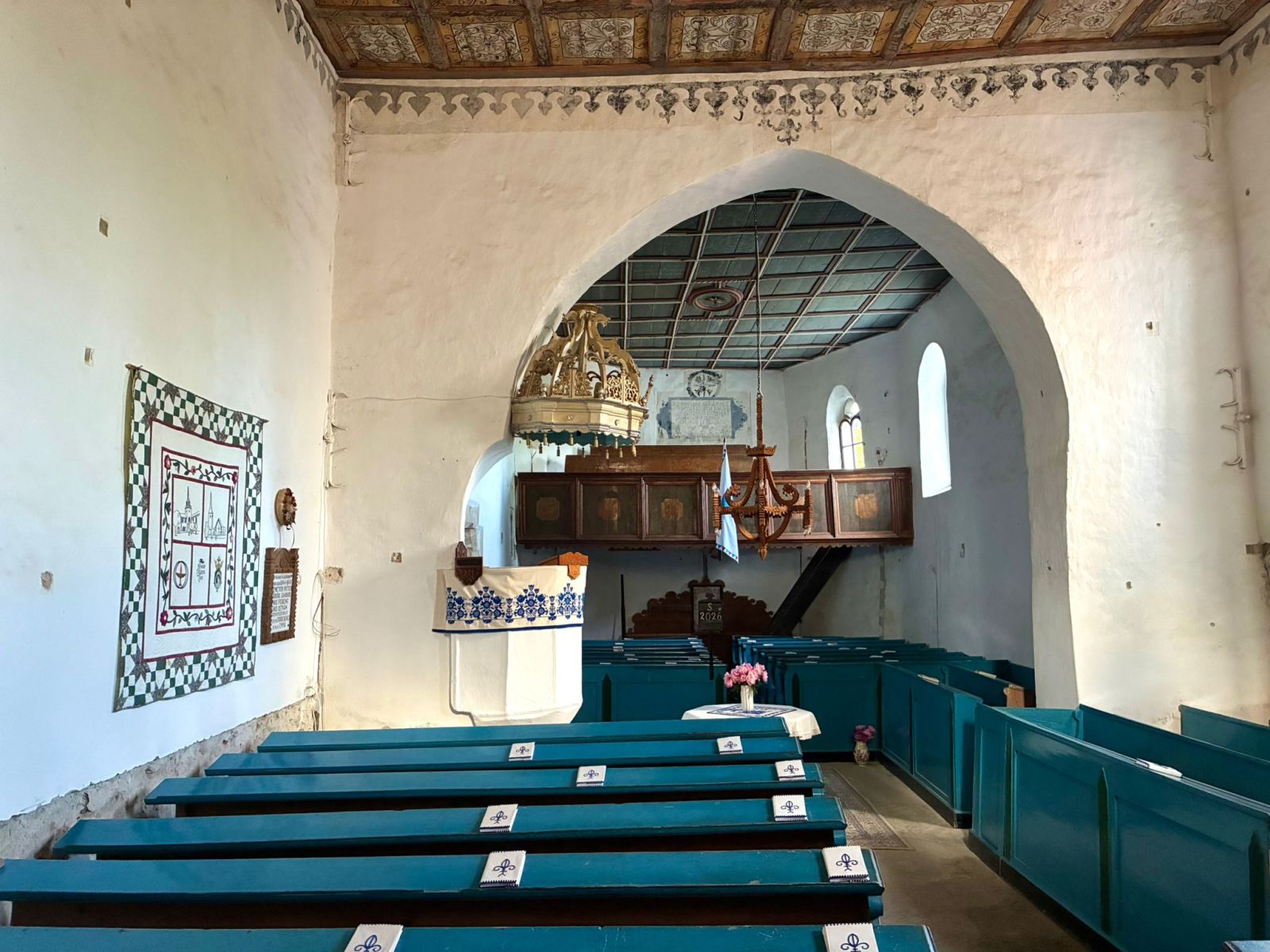
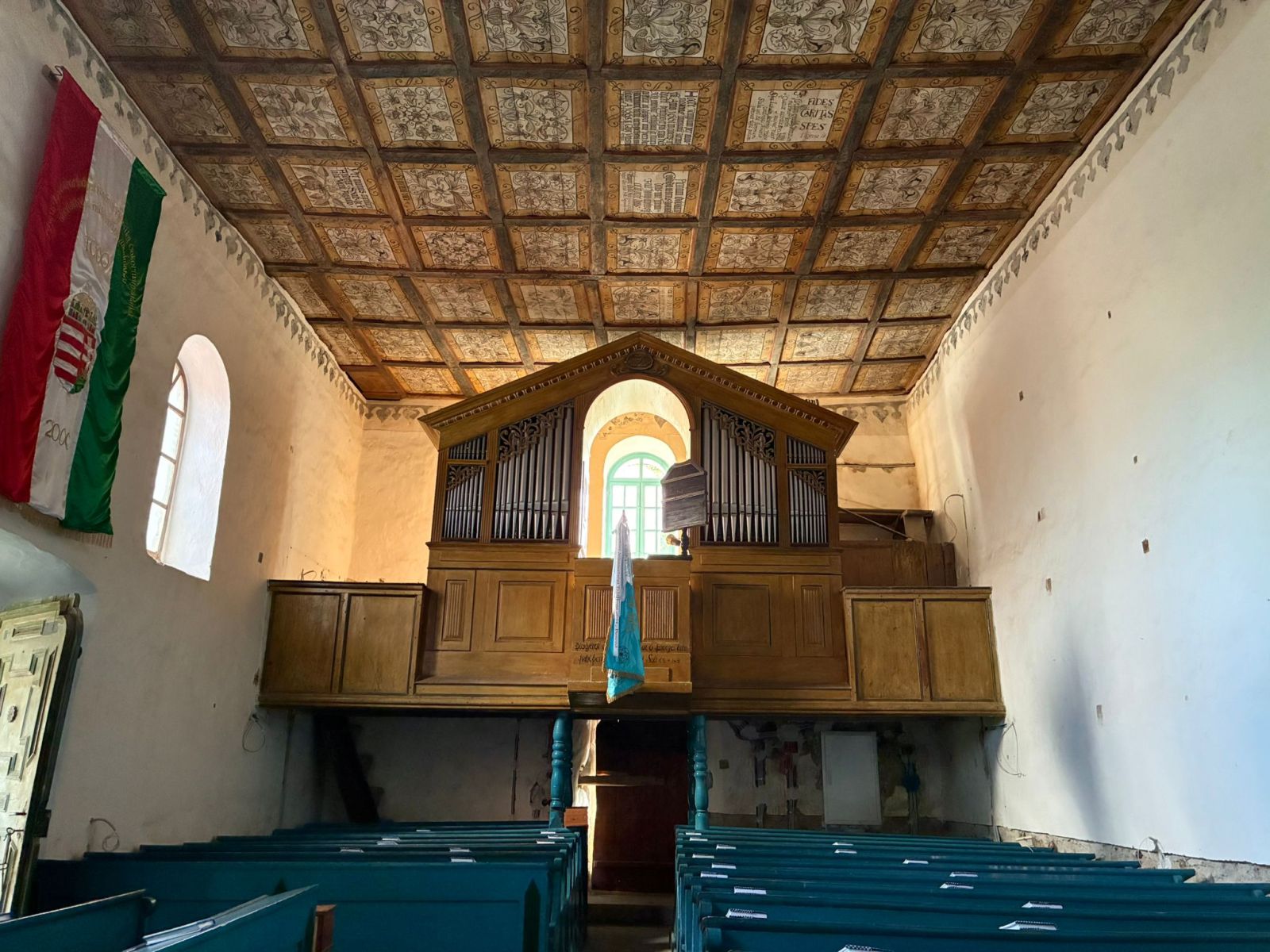
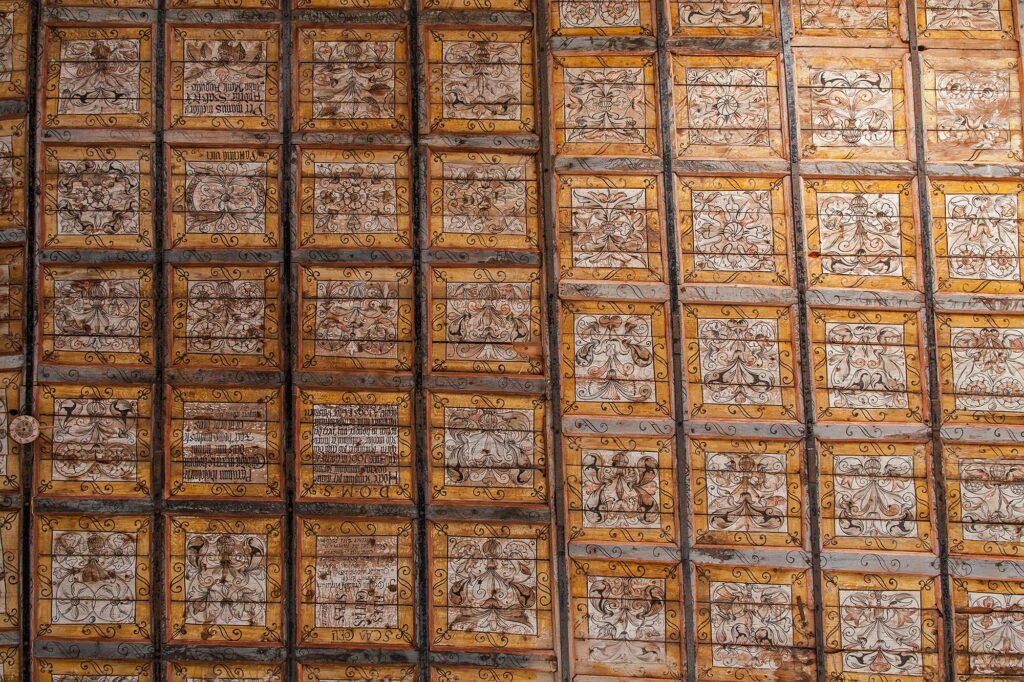
The crowning glory of the church interior is its painted wooden ceiling, completed in 1668. Consisting of eighty-eight individual coffers, it is widely regarded as one of the most important surviving examples of seventeenth-century Transylvanian church decoration.
Reflecting the theological principles of the Unitarian Reformation, the decorative program strictly avoids human imagery, focusing instead on the concept of the “earthly paradise.” It features a vibrant Renaissance flower garden of stylized leaves, tulips, carnations, pomegranates, and geometric designs characteristic of Székely folk art. While the colors have naturally faded over three and a half centuries, historical descriptions indicate that deep reds, mineral blues, and bright green-yellow tones originally dominated the composition.
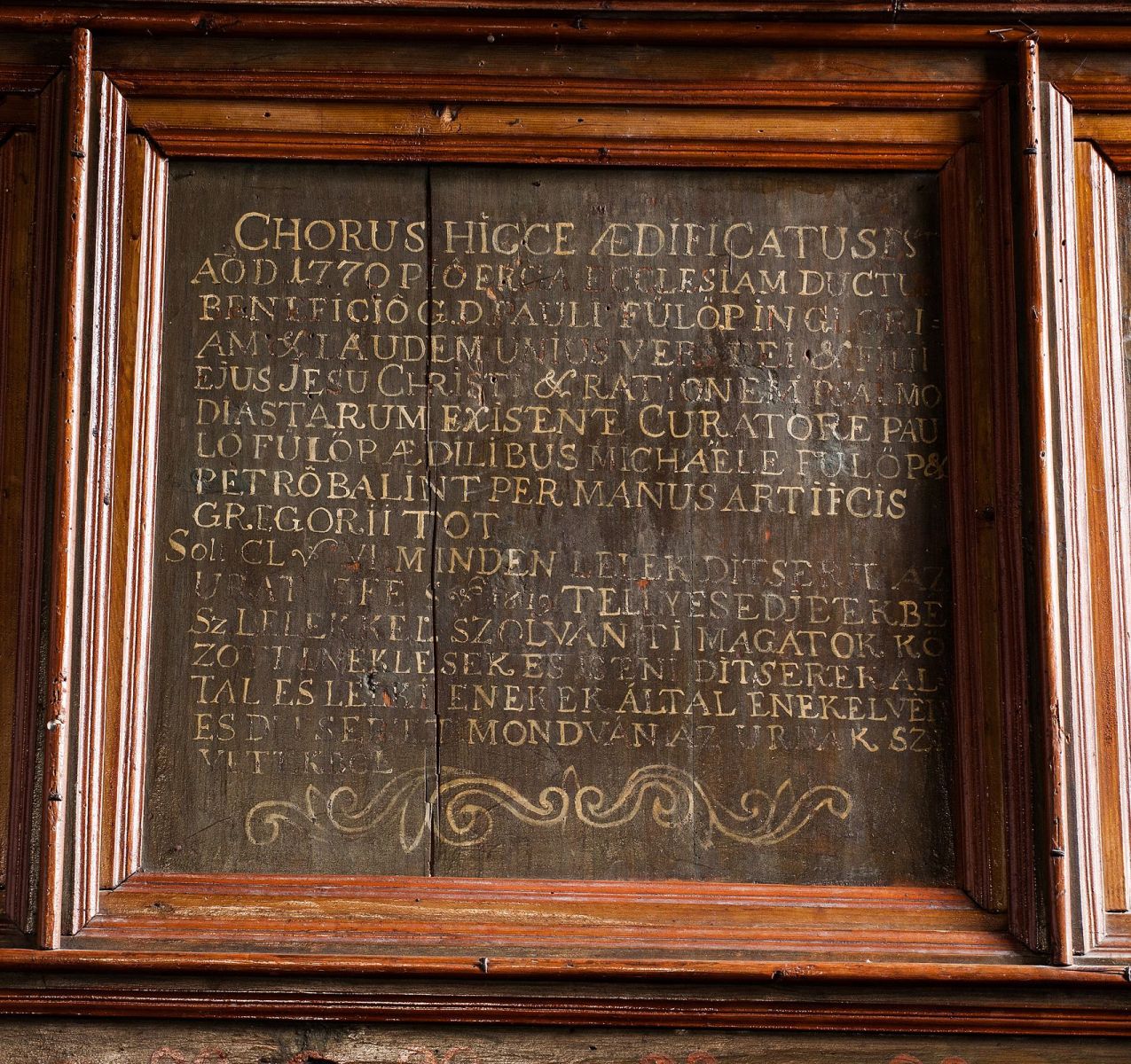
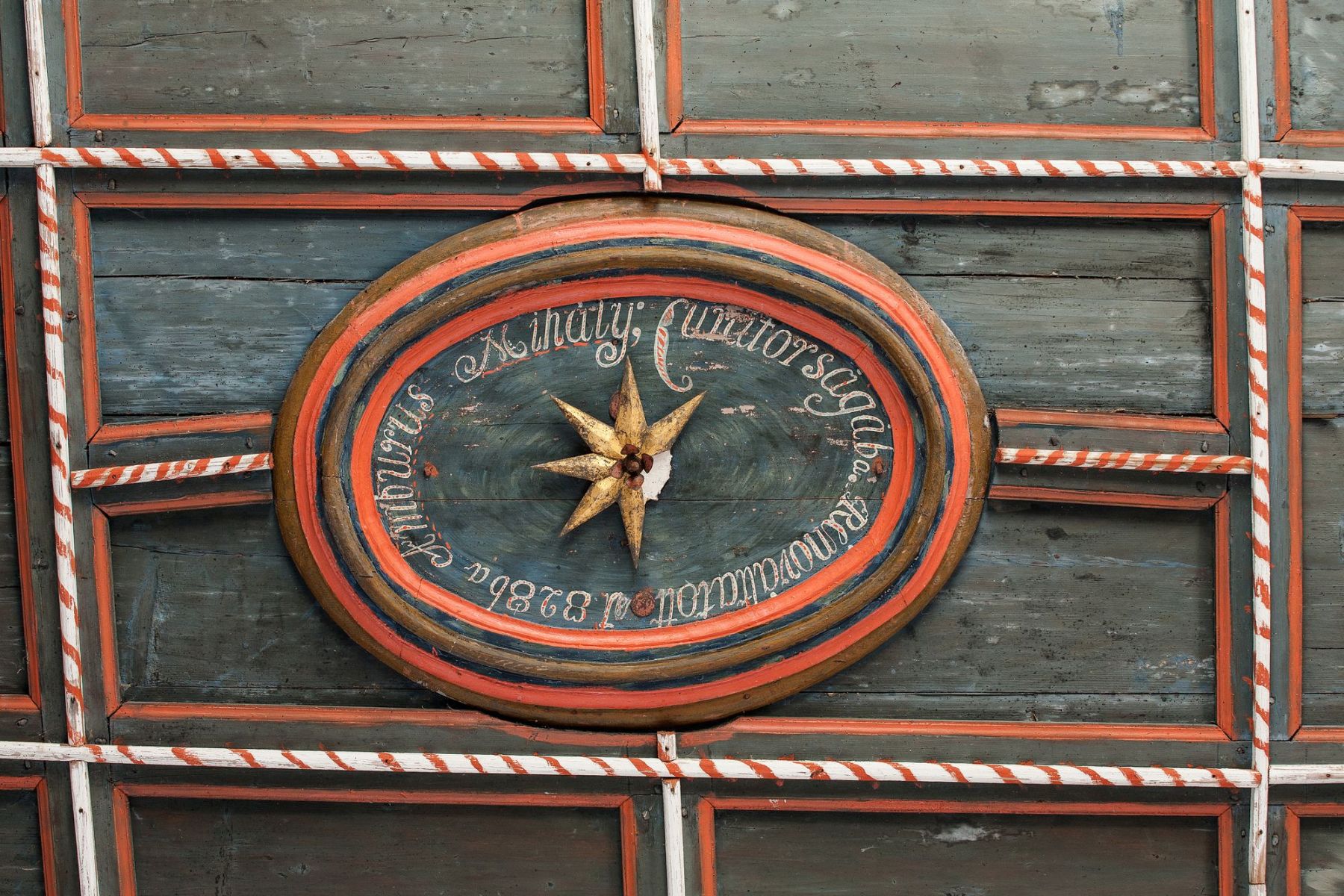
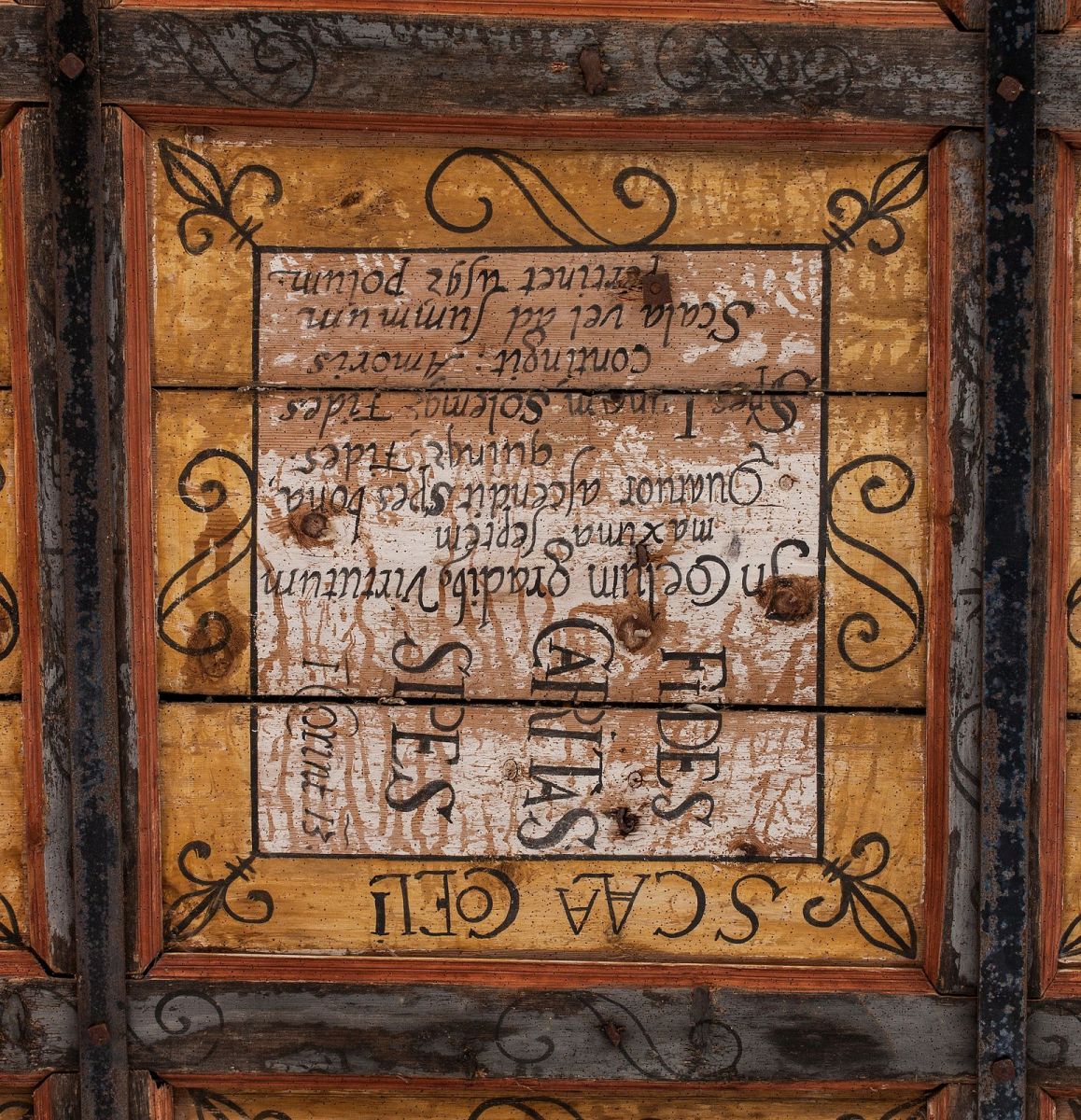
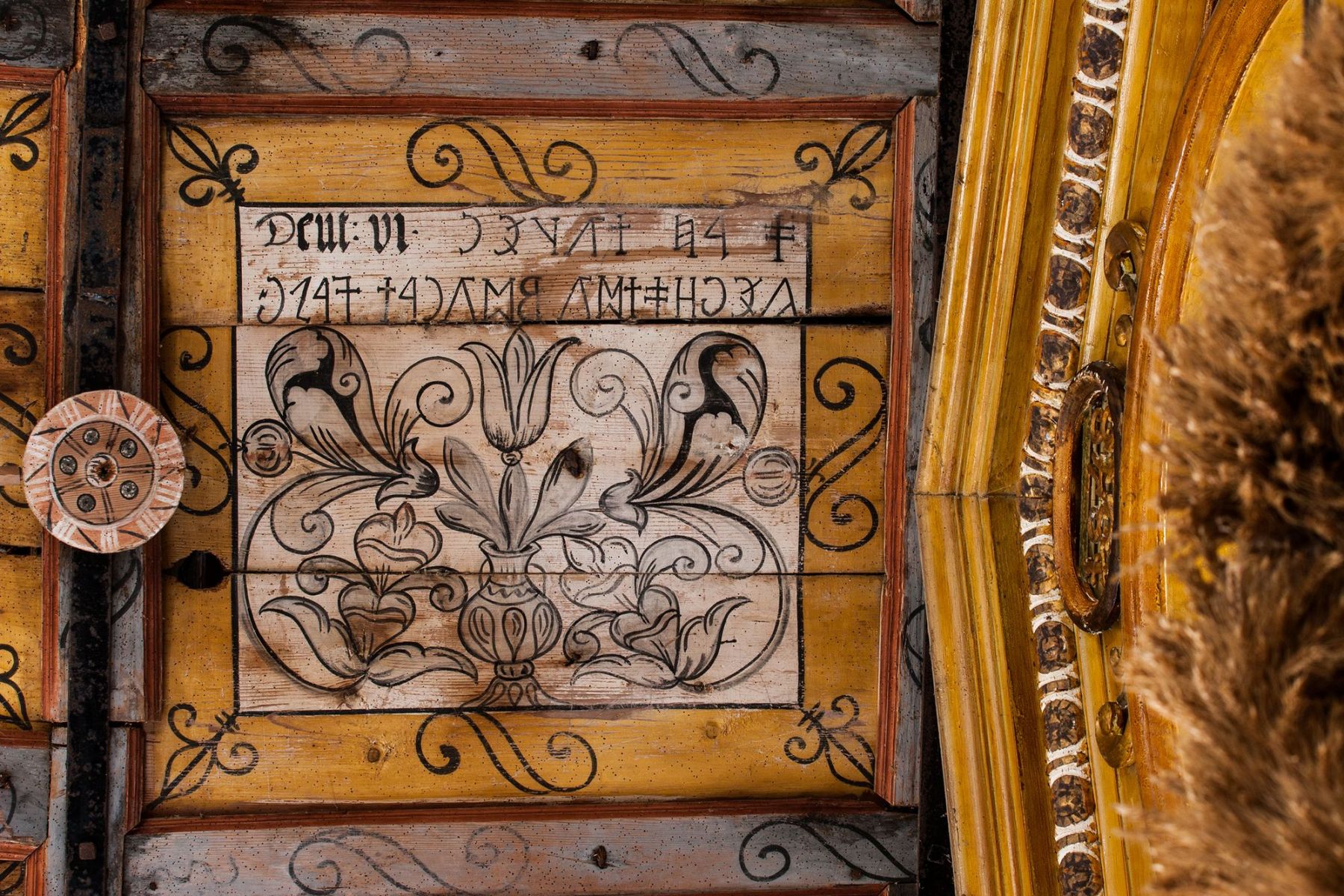
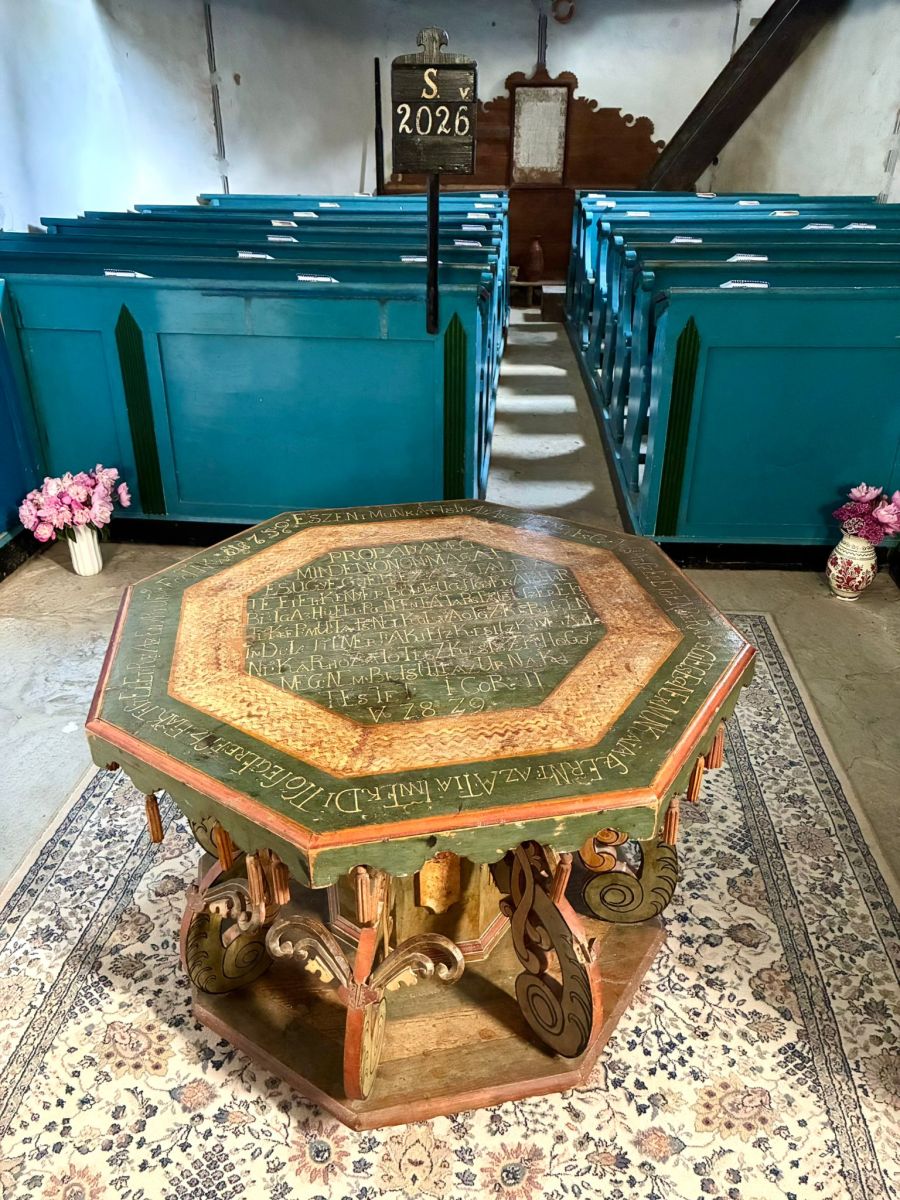
What makes the Énlaka ceiling truly exceptional is the remarkable number of inscriptions incorporated into its decoration. Ten of the painted panels contain texts written in various scripts, including Latin, Gothic lettering, and the ancient Székely runic script (rovásírás). These inscriptions commemorate the reconstruction and preserve the names of those responsible for the work: the carpenter András Szász and the painter-cleric György Muzsnai.
The ceiling also serves as a theological and literary anthology. Among the panels is a Latin distich by the Welsh humanist poet John Owen, alongside other quotations connected to early Protestant traditions. Most famously, a rare and beautifully preserved runic inscription by György Muzsnai features the words “Egy az Isten” (“One God”) in the corners of a panel. This declaration expresses the central theological principle of the Unitarian faith, making the ceiling a powerful symbol of both Unitarian identity and Hungarian cultural history.
Artistic and Cultural Significance
The painted ceiling of Énlaka represents a remarkable harmony of faith, late Renaissance folk tradition, and the rich inscriptional heritage preserved in its painted panels. The artistic heritage of the church is further enriched by its eighteenth-century pulpit canopy and the decorated gallery breastwork, both of which complement the ceiling’s aesthetic and historical significance.
Because of its exceptional artistic quality and historical value, the entire church complex stands among the most significant monuments of Unitarian heritage in Transylvania and among the finest surviving examples of painted ecclesiastical woodwork in the Carpathian Basin.
Visiting Énlaka
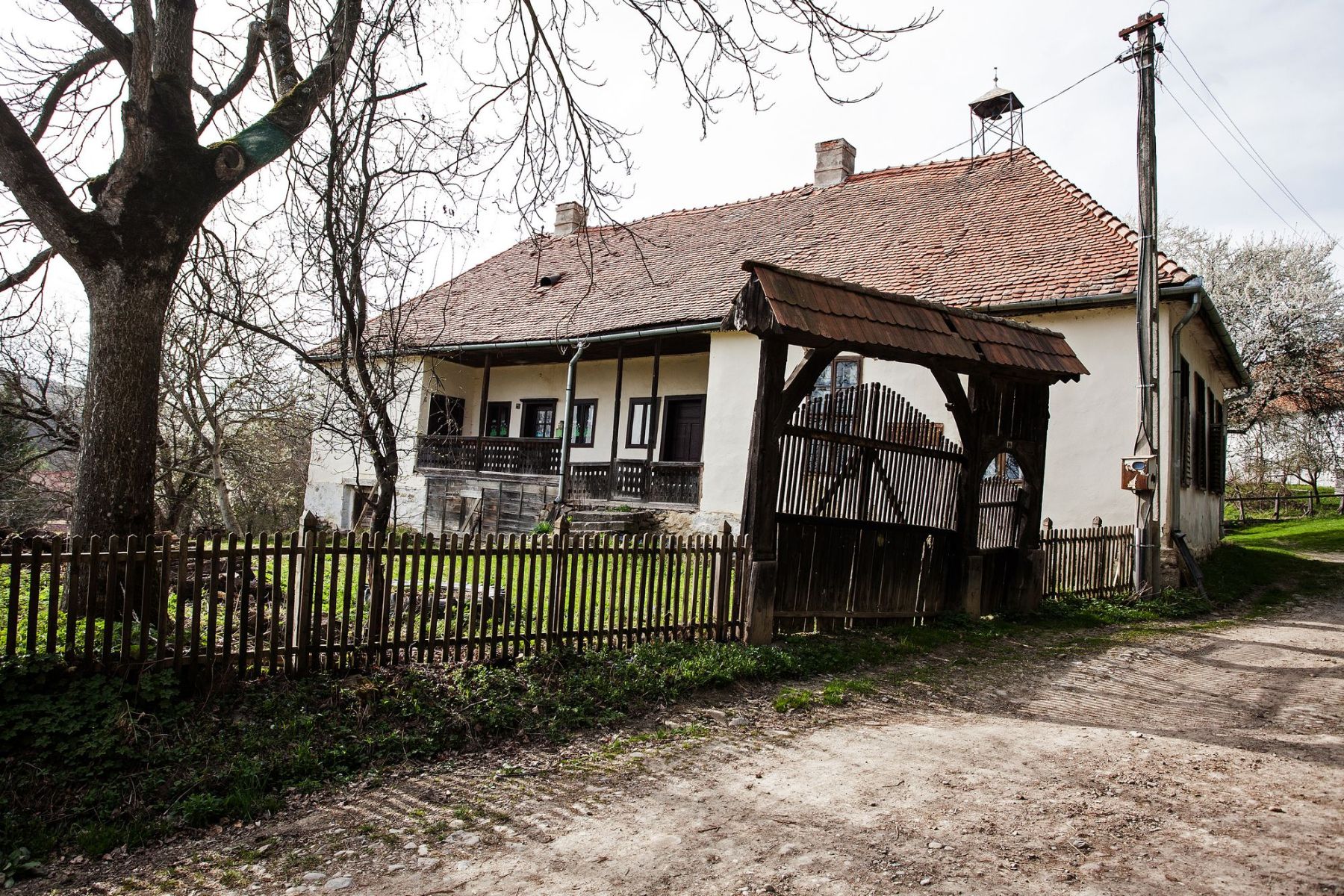
Visitors to Énlaka encounter a living piece of history that has survived for more than three and a half centuries. The painted ceiling continues to inspire admiration through its theological depth, beauty, and craftsmanship. Set against the peaceful, preserved landscape of the village, it offers an unforgettable glimpse into the spiritual and artistic world of historic Székely Land.