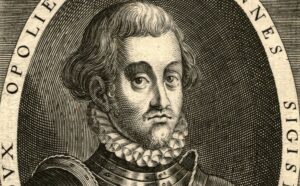
 John Sigismund Zápolya was the first Prince of Transylvania and the only Unitarian monarch in history. As a central political figure of 16th-century East Central Europe, he governed during a period marked by profound religious transformation, geopolitical instability, and the rapid spread of the Reformation.
Educated in a humanist intellectual environment, John Sigismund showed remarkable openness toward theological debate and religious diversity. During his reign, representatives of different Christian traditions — Catholic, Lutheran, Reformed, and later Unitarian — were permitted to publicly debate matters of faith at the princely court.
Influenced by the teachings of court physician Giorgio Biandrata, reformer Ferenc Dávid, and other scholars, John Sigismund gradually embraced Unitarianism. His royal patronage played a decisive role in the spread and institutional establishment of the Unitarian movement in Transylvania.
In 1568, the Diet of Torda issued the famous Edict of Torda, which affirmed the right of preachers to proclaim the Gospel according to their understanding and recognized freedom of conscience in religious life. This decree is widely celebrated as one of the earliest legal expressions of religious tolerance in Europe.
John Sigismund died in 1571 at the age of thirty-one, shortly after securing Transylvania’s status as a distinct principality through the Treaty of Speyer.