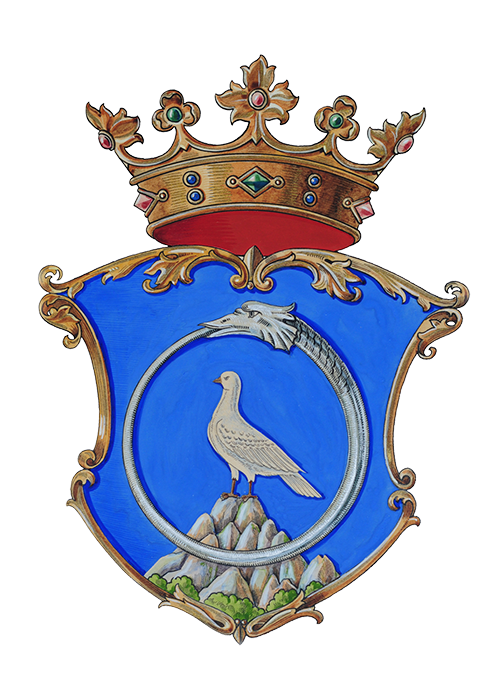
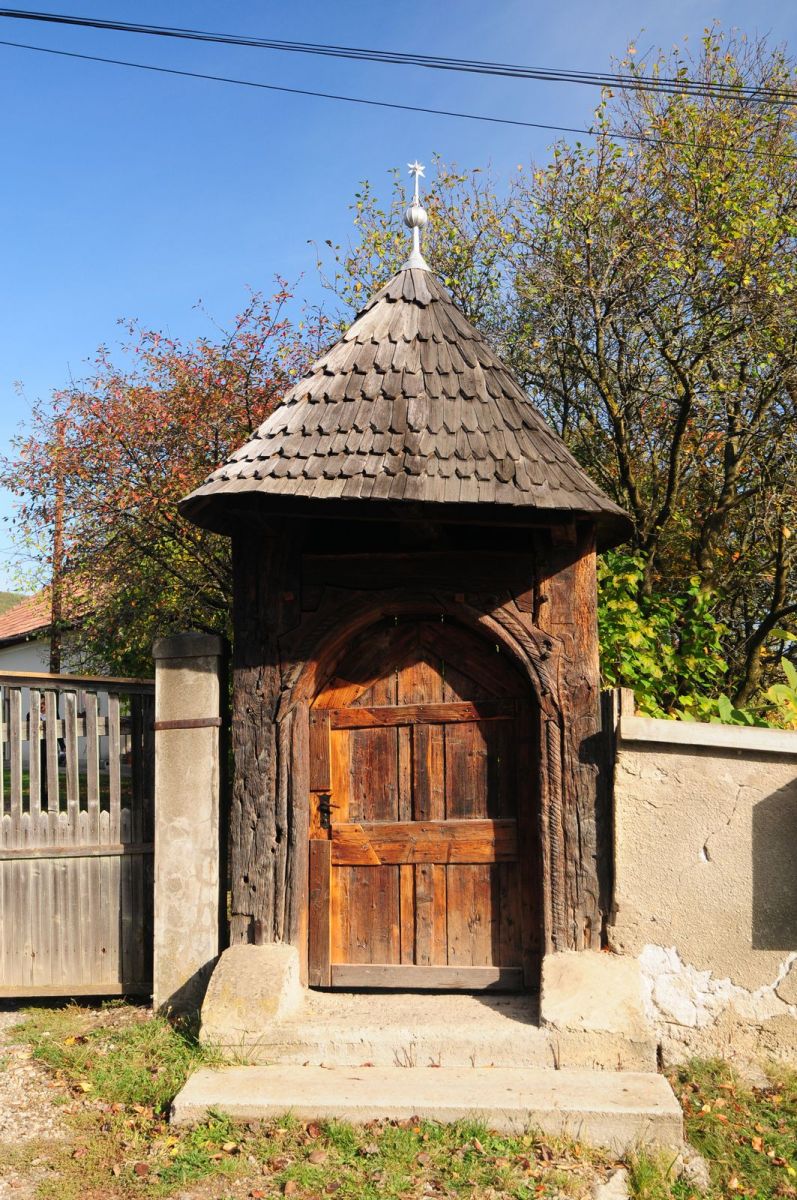
Várfalva is a village belonging to Aranyosszék, a region often referred to as the “Unitarian Horseshoe.” Its name derives from the Hungarian word vár (“fortress”), referring to an 11th-century stronghold once standing nearby. The village as we know it today developed beside this fortress, which played an important role in securing the transport routes of salt and gold. Like many surrounding settlements, the inhabitants of Várfalva traditionally earned their livelihood from fruit and vegetable cultivation, as well as from work in the nearby industrial town of Torda (Turda).
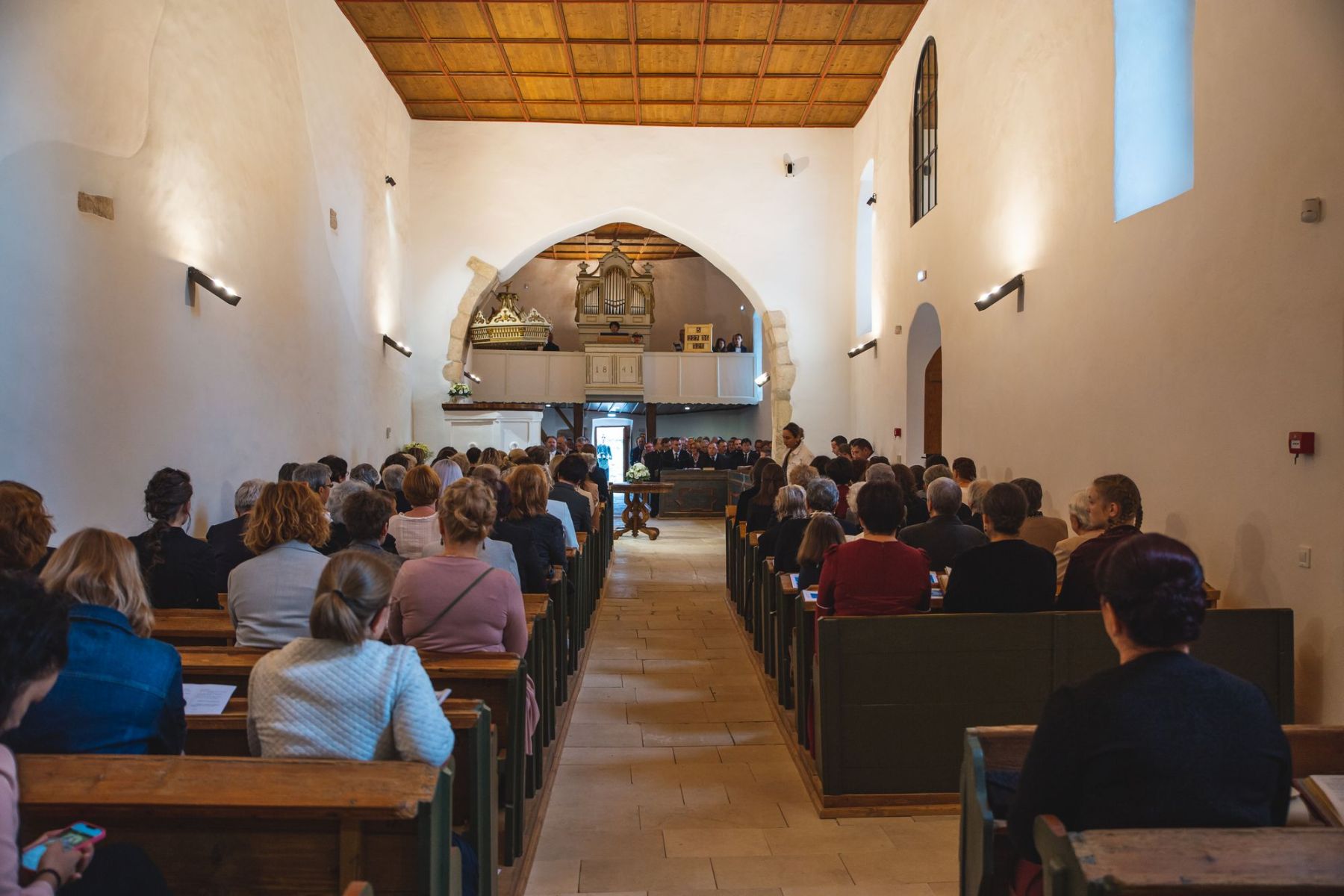
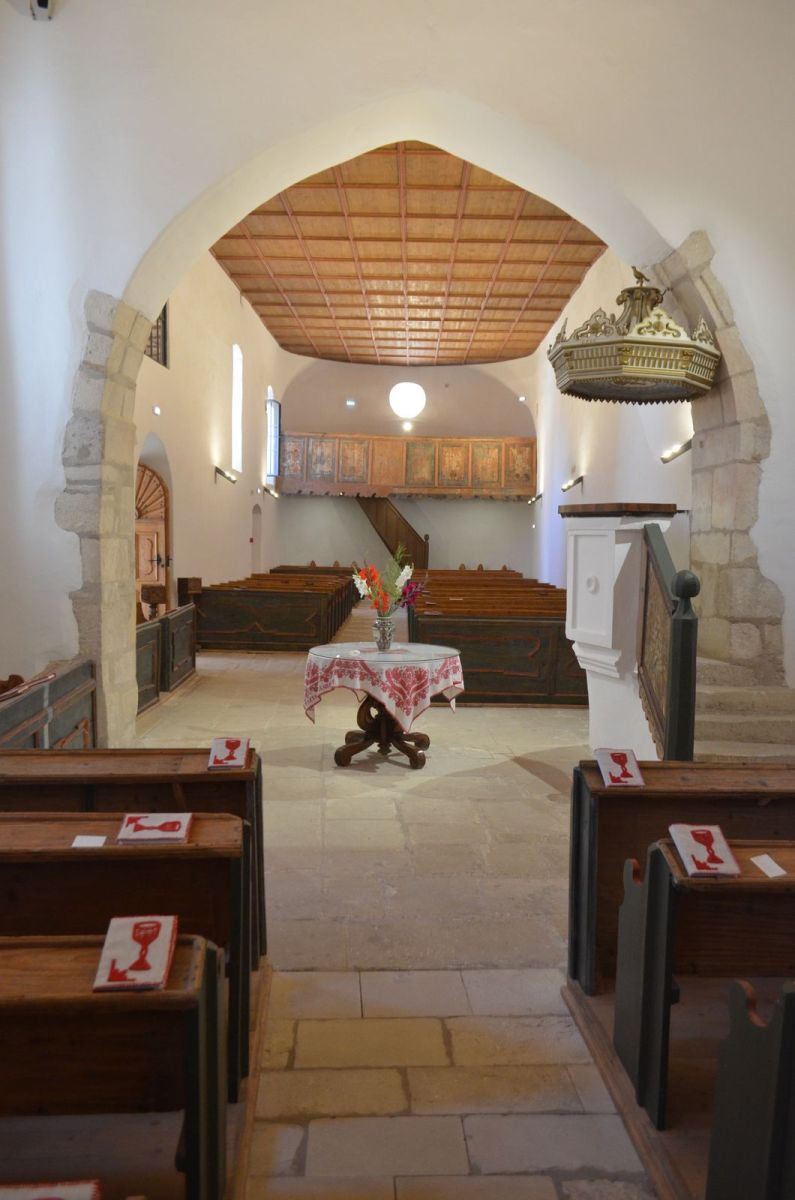
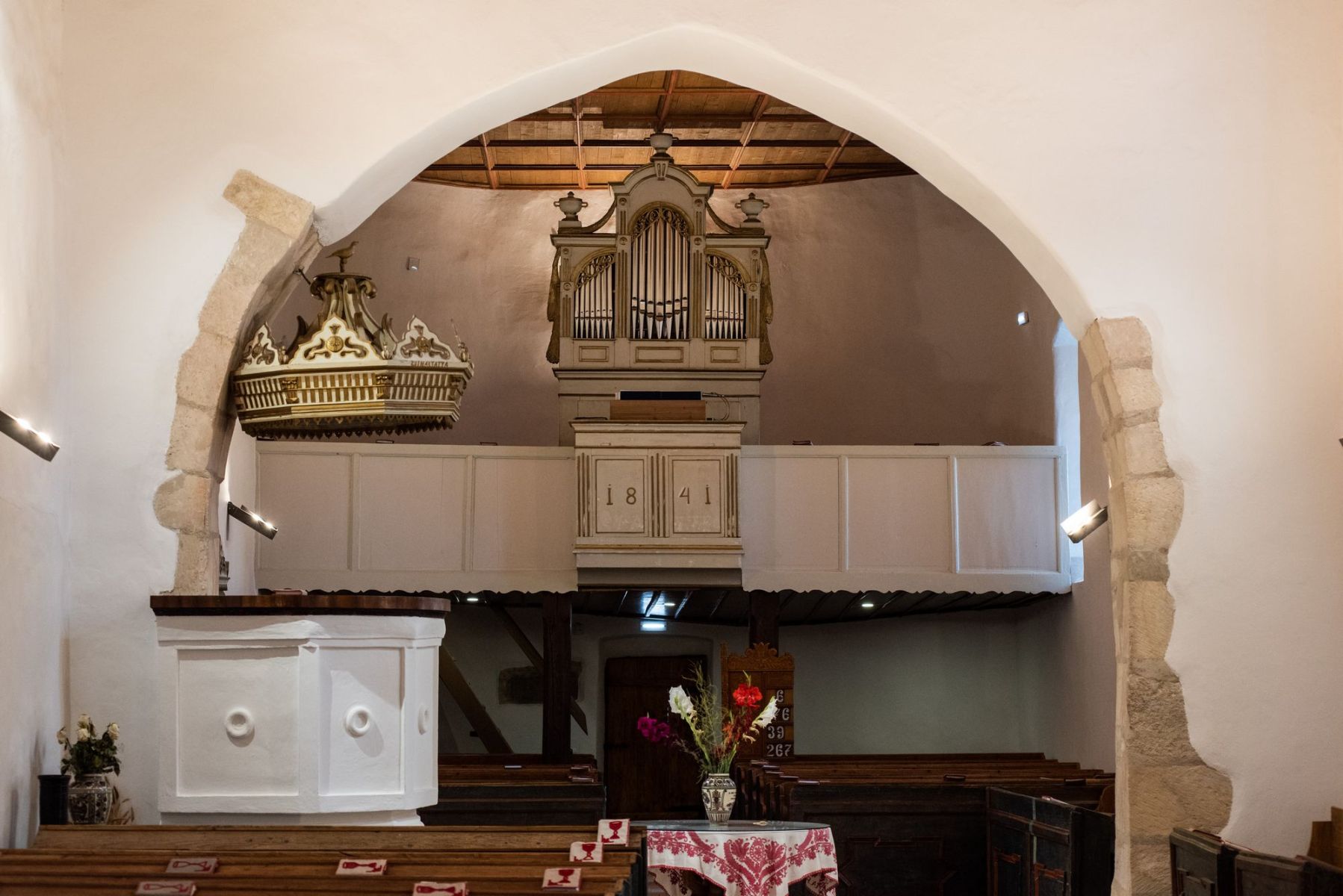
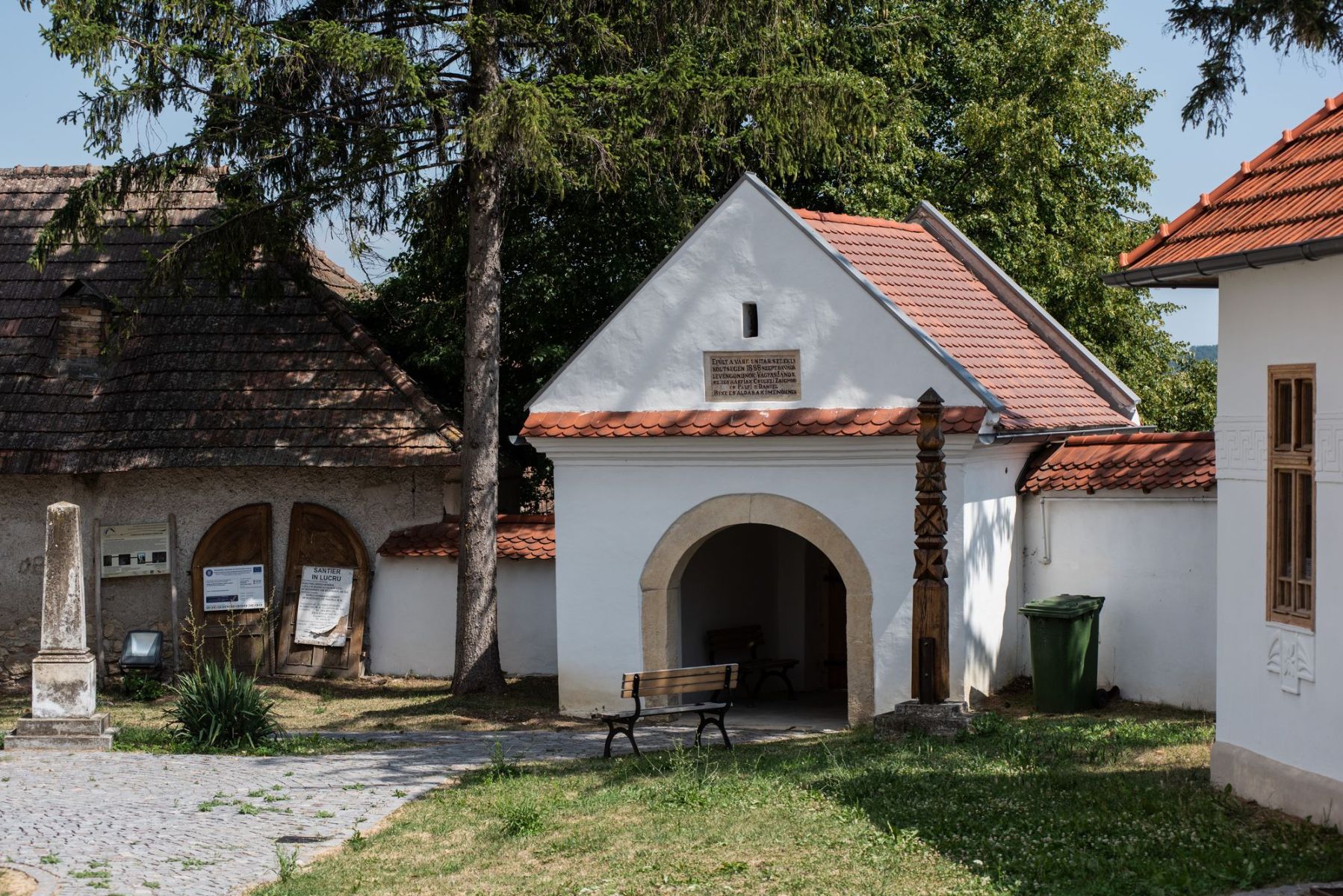
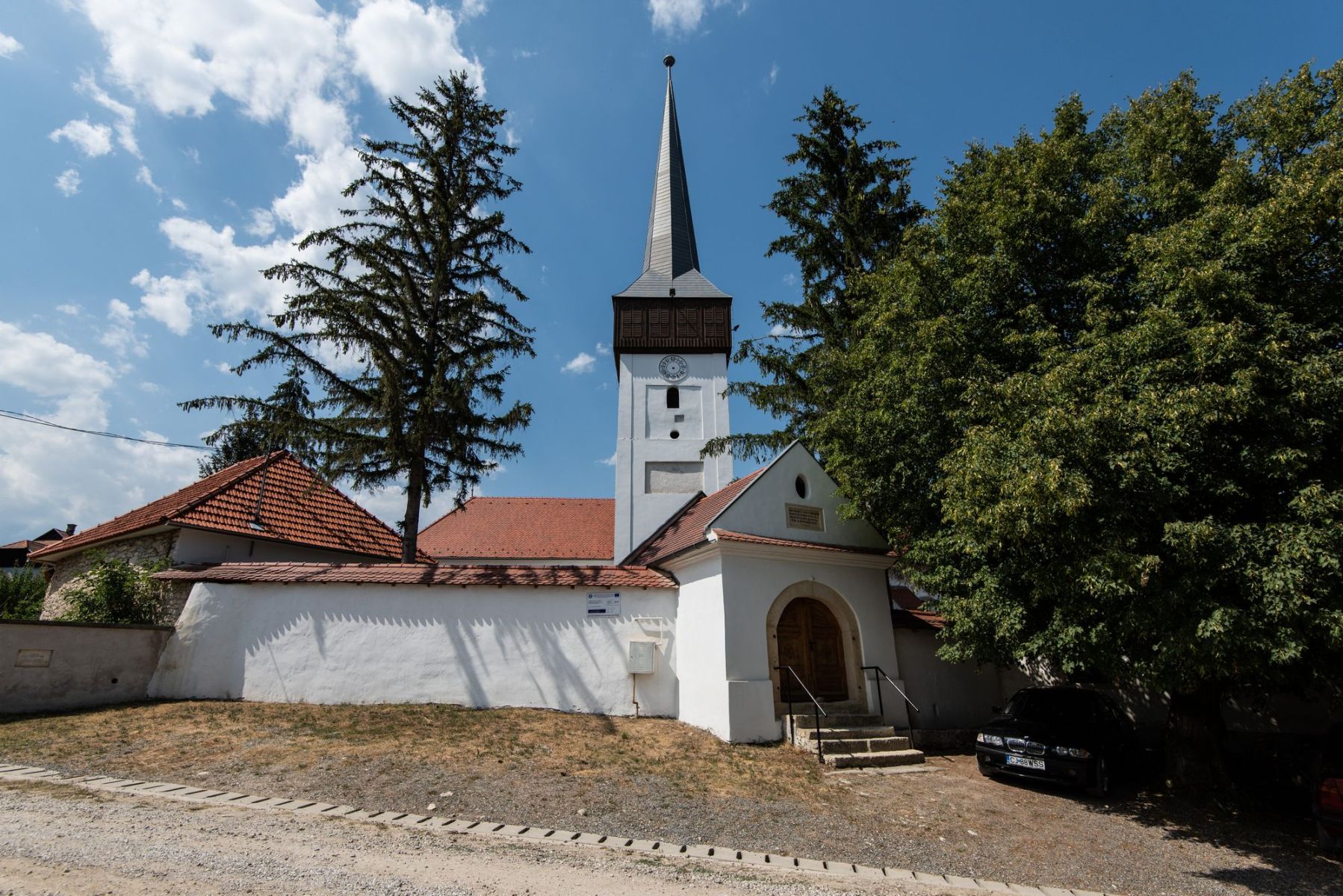
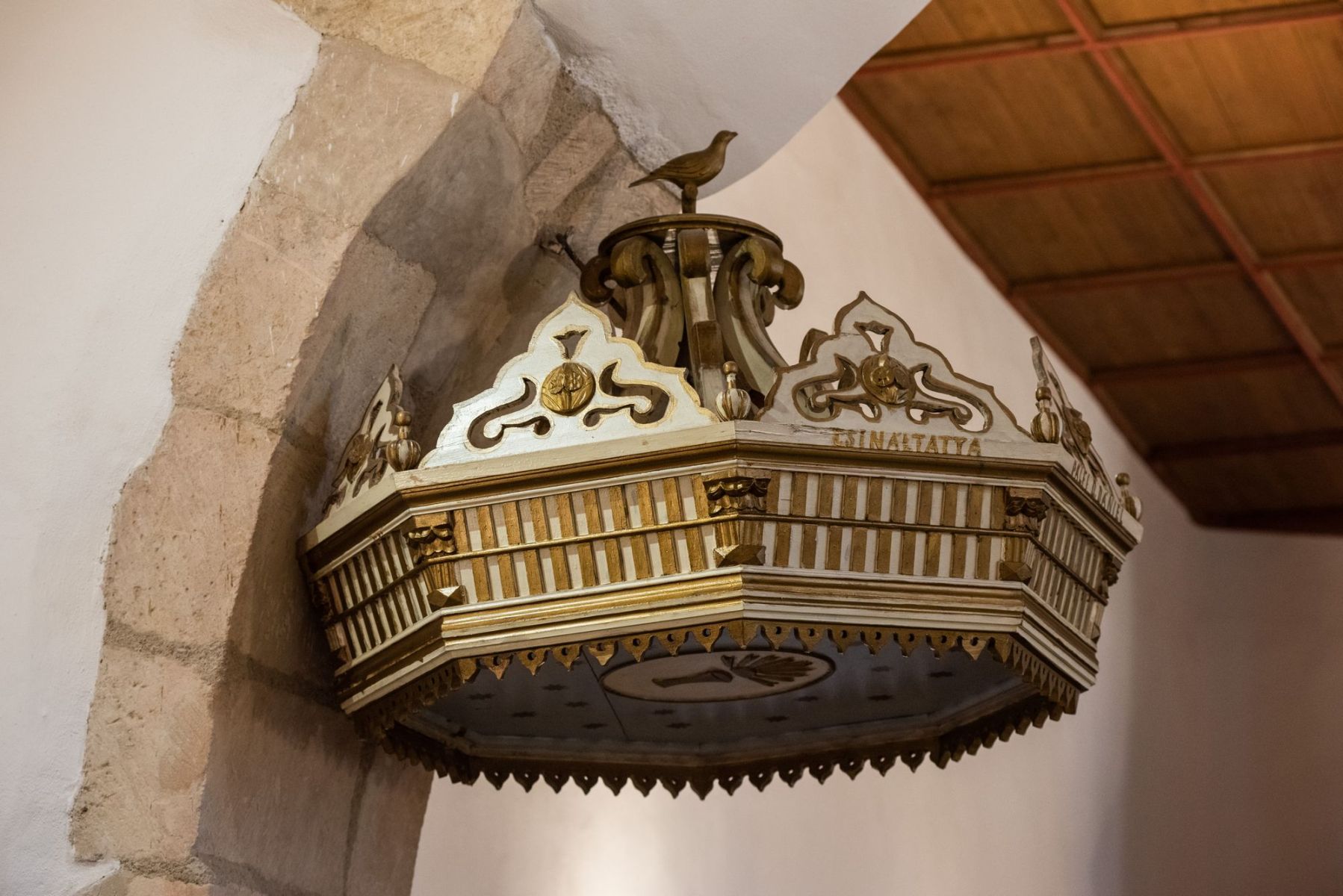
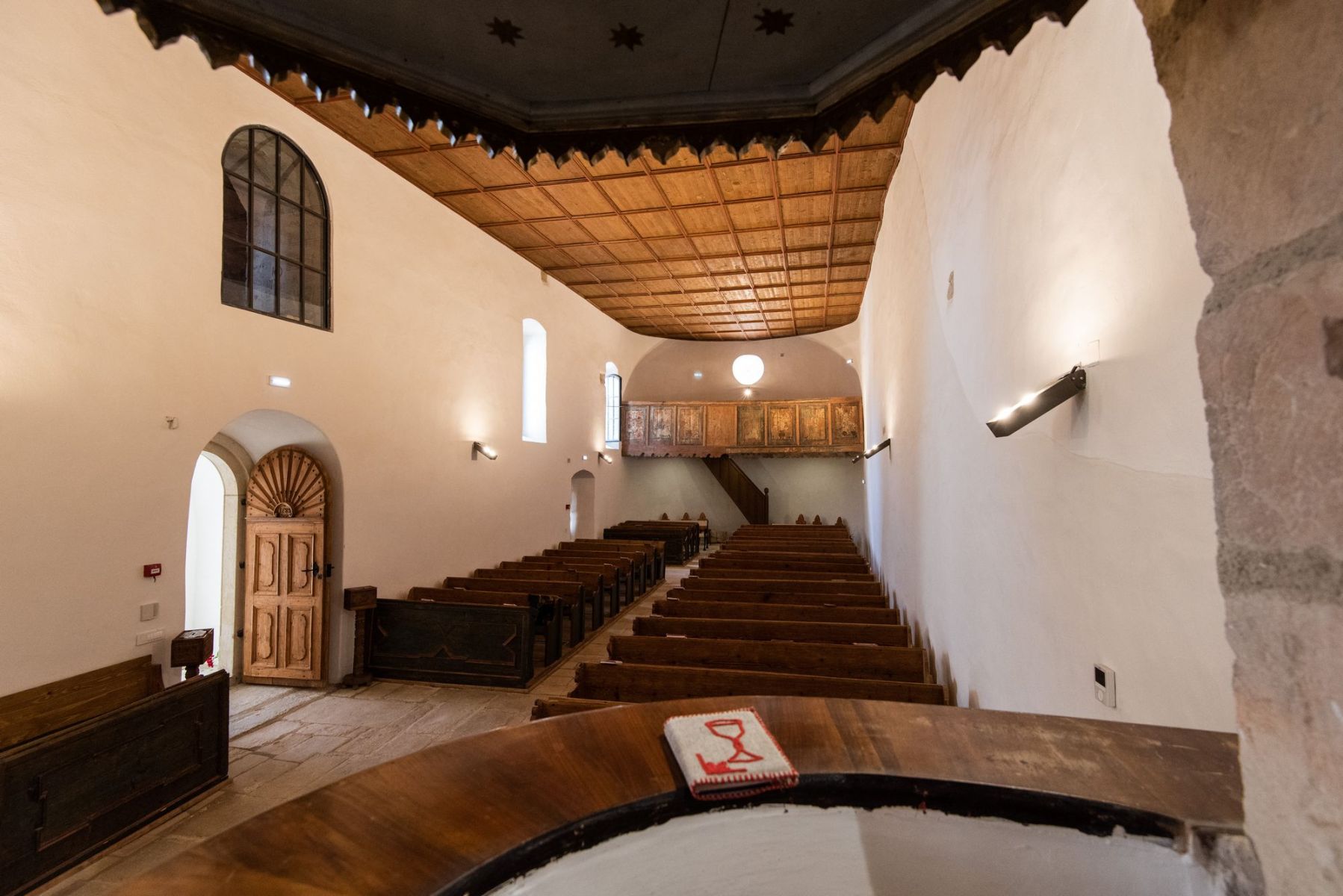
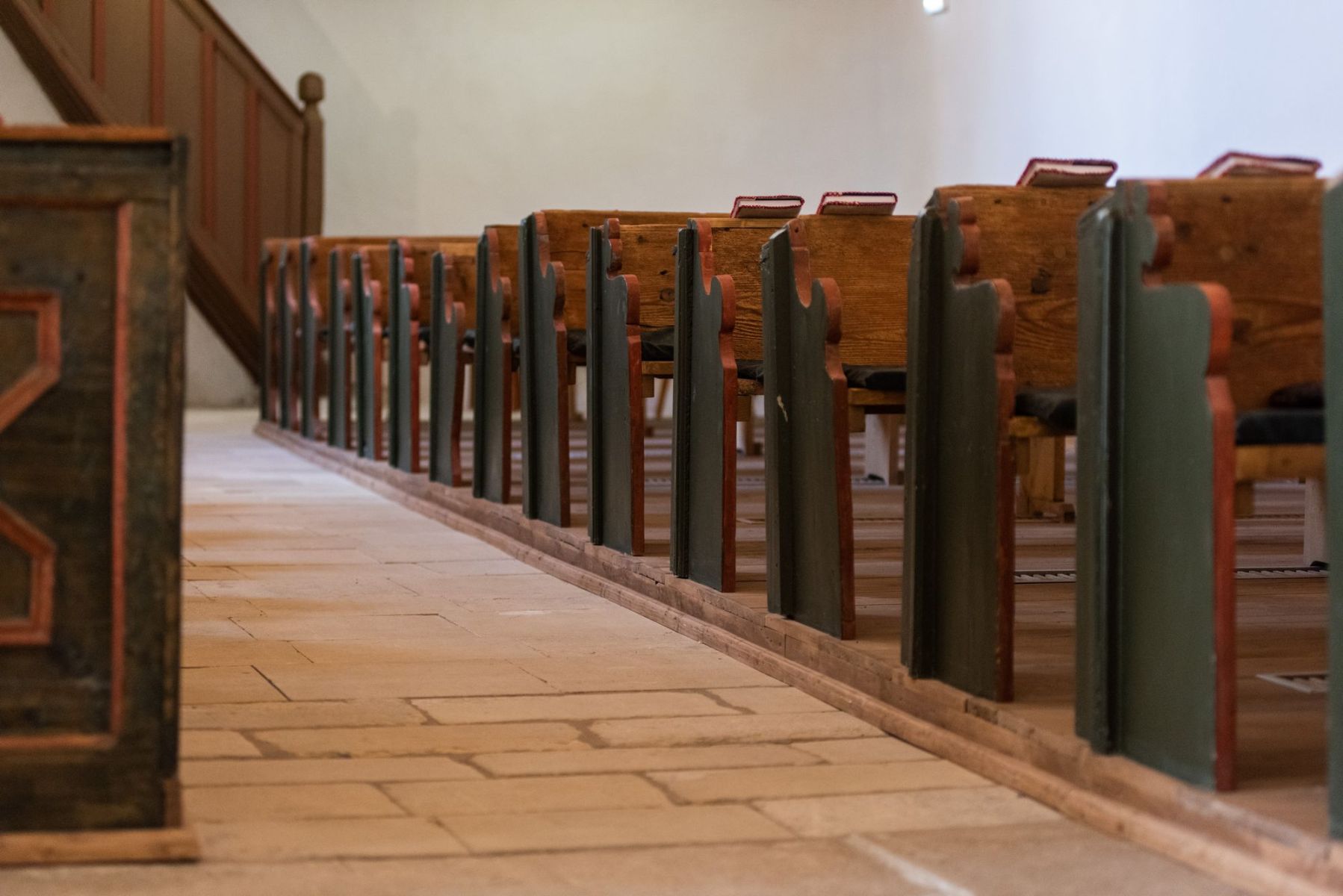
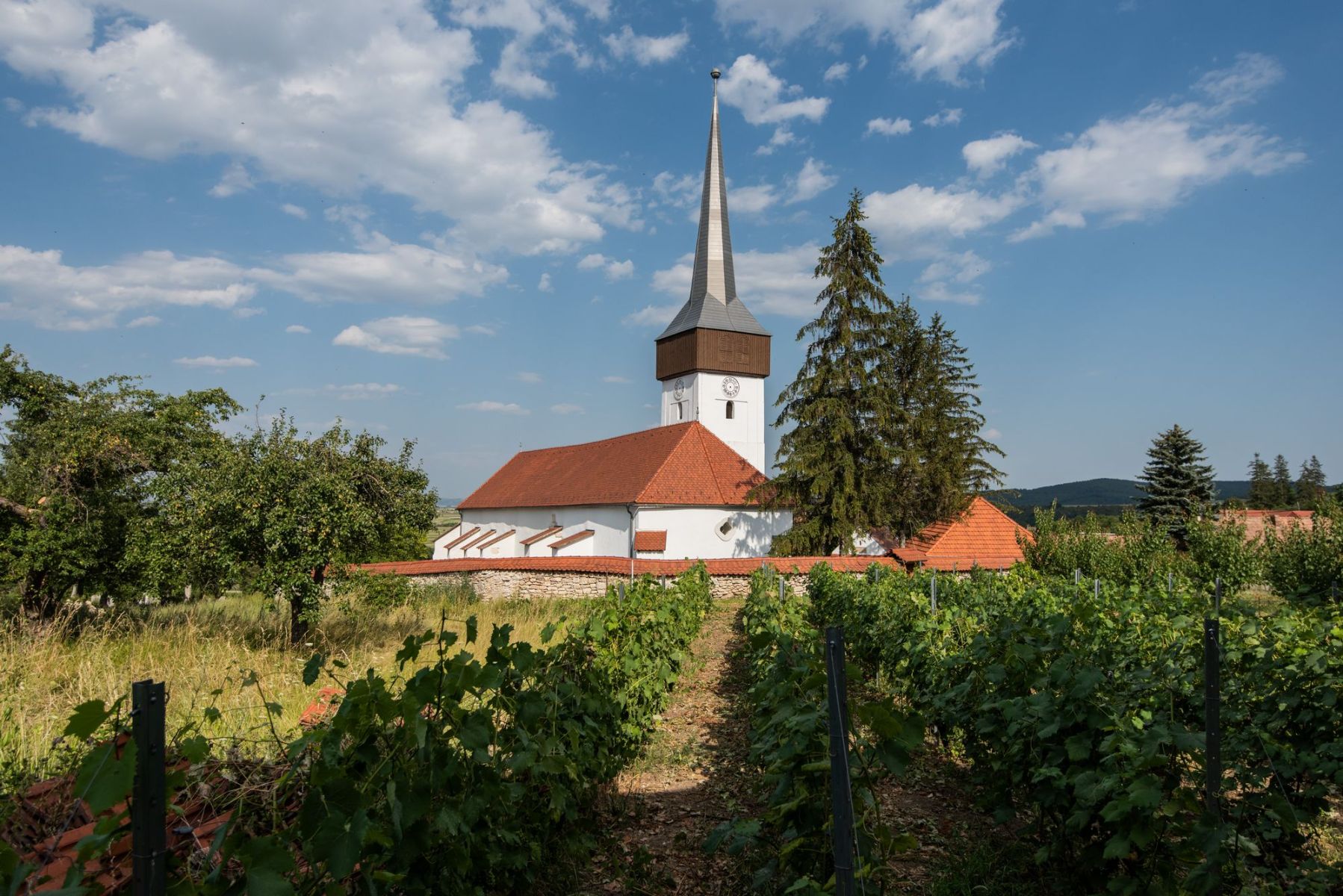
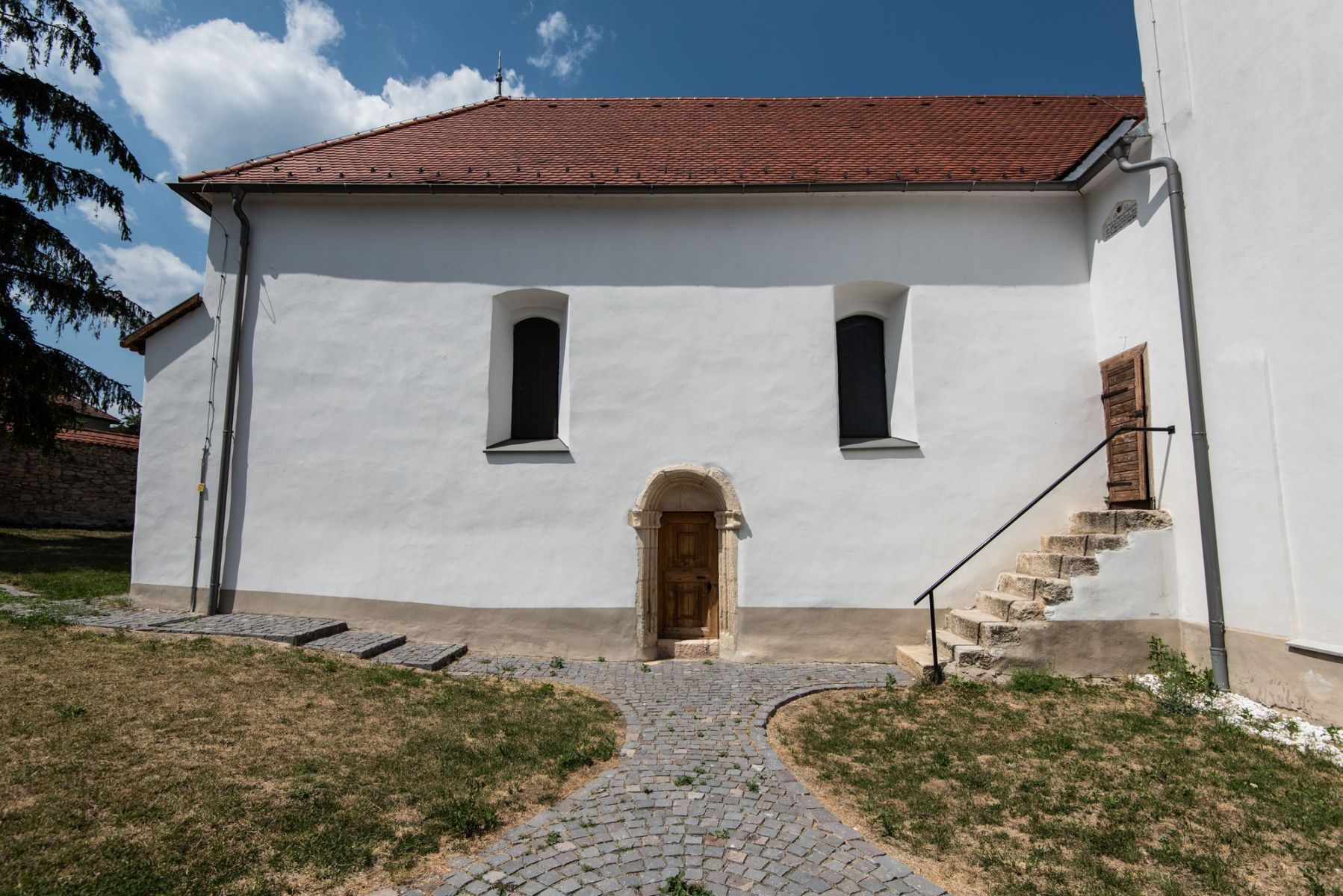
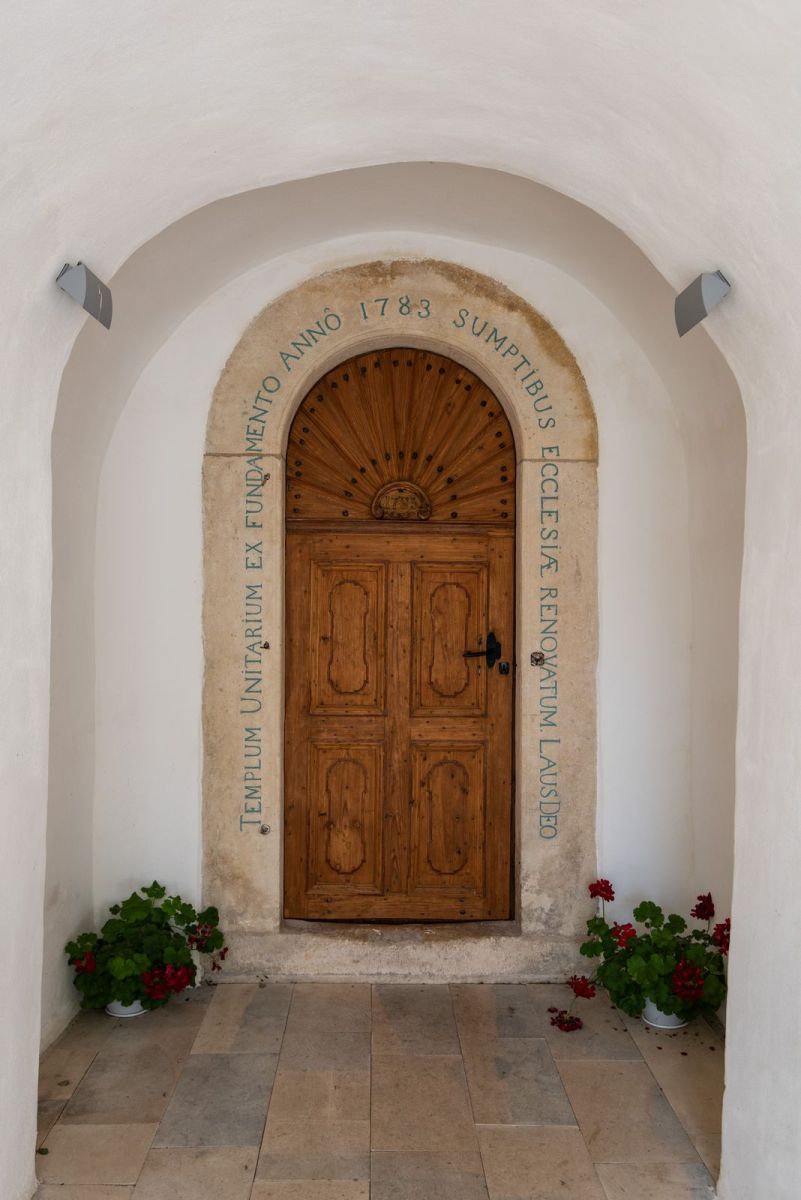
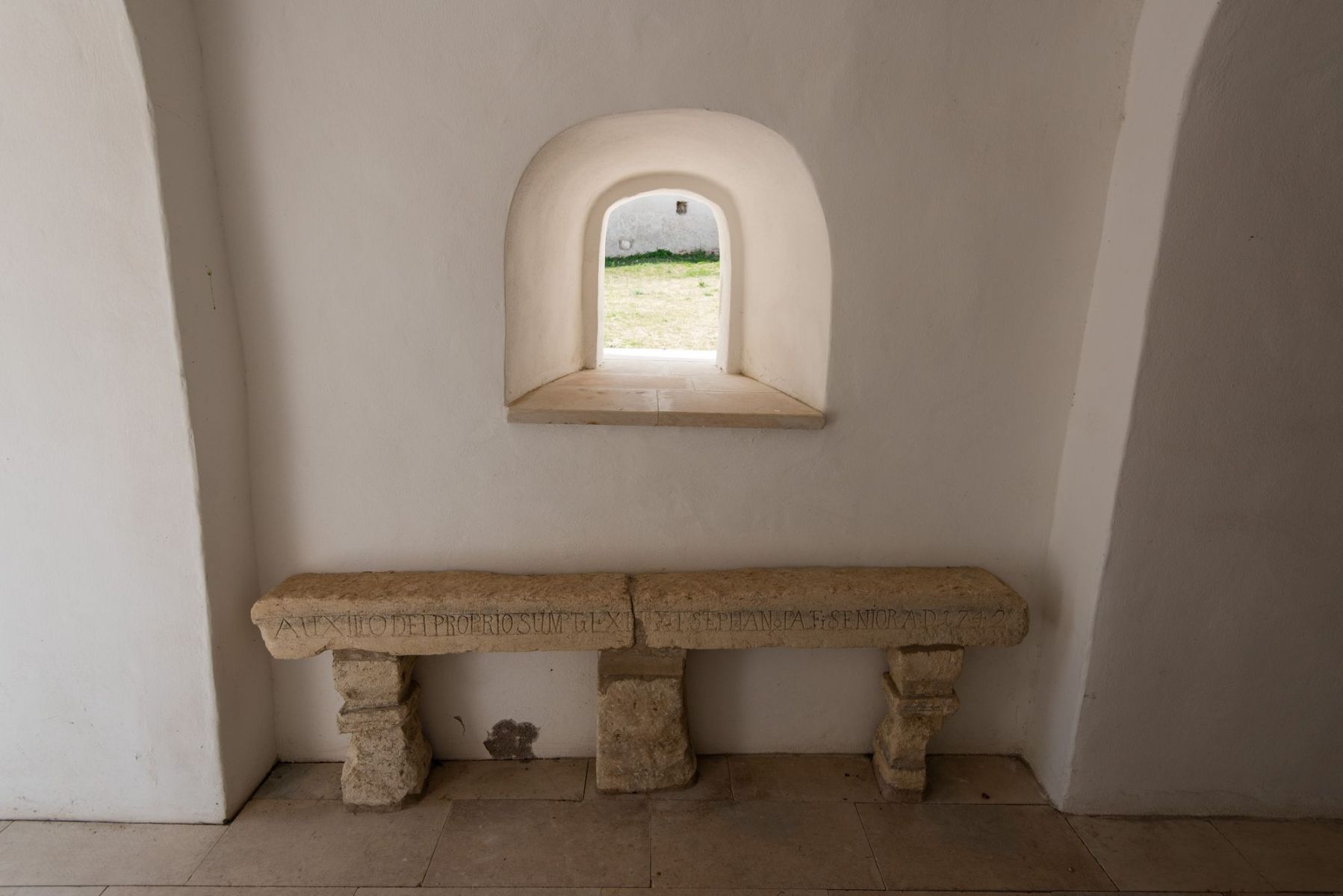
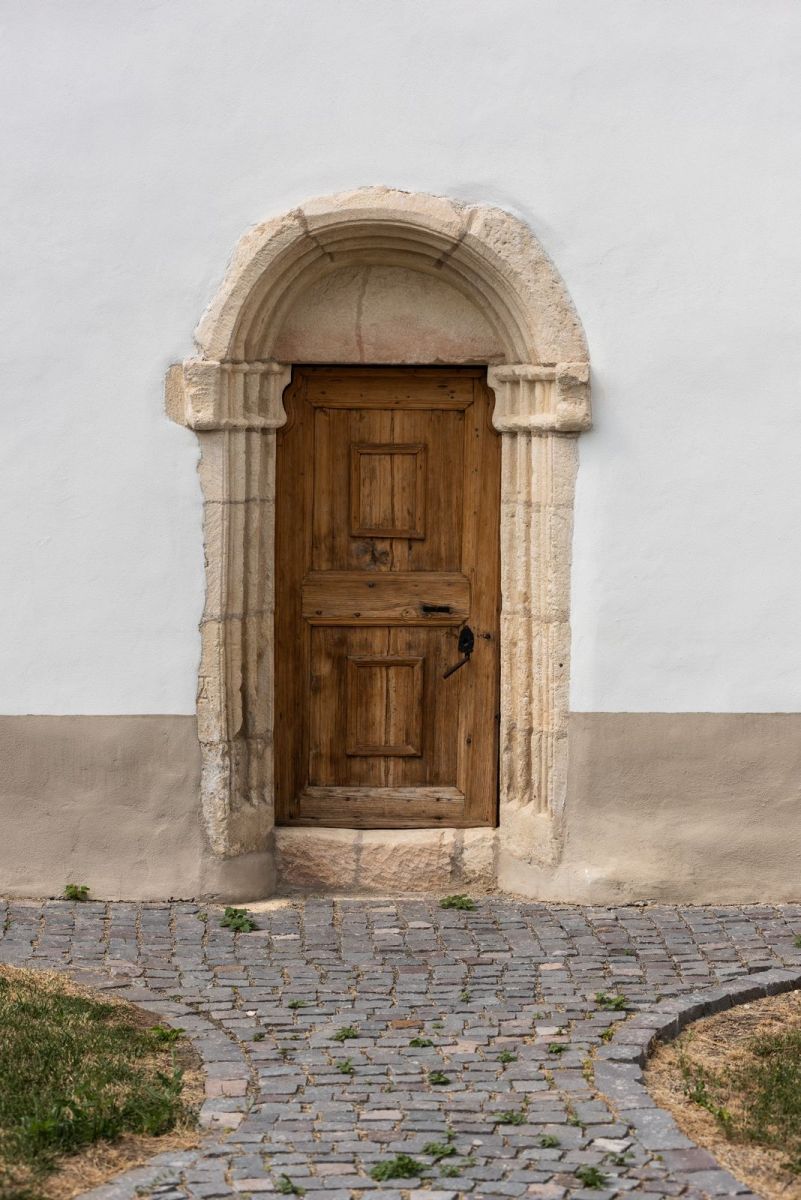
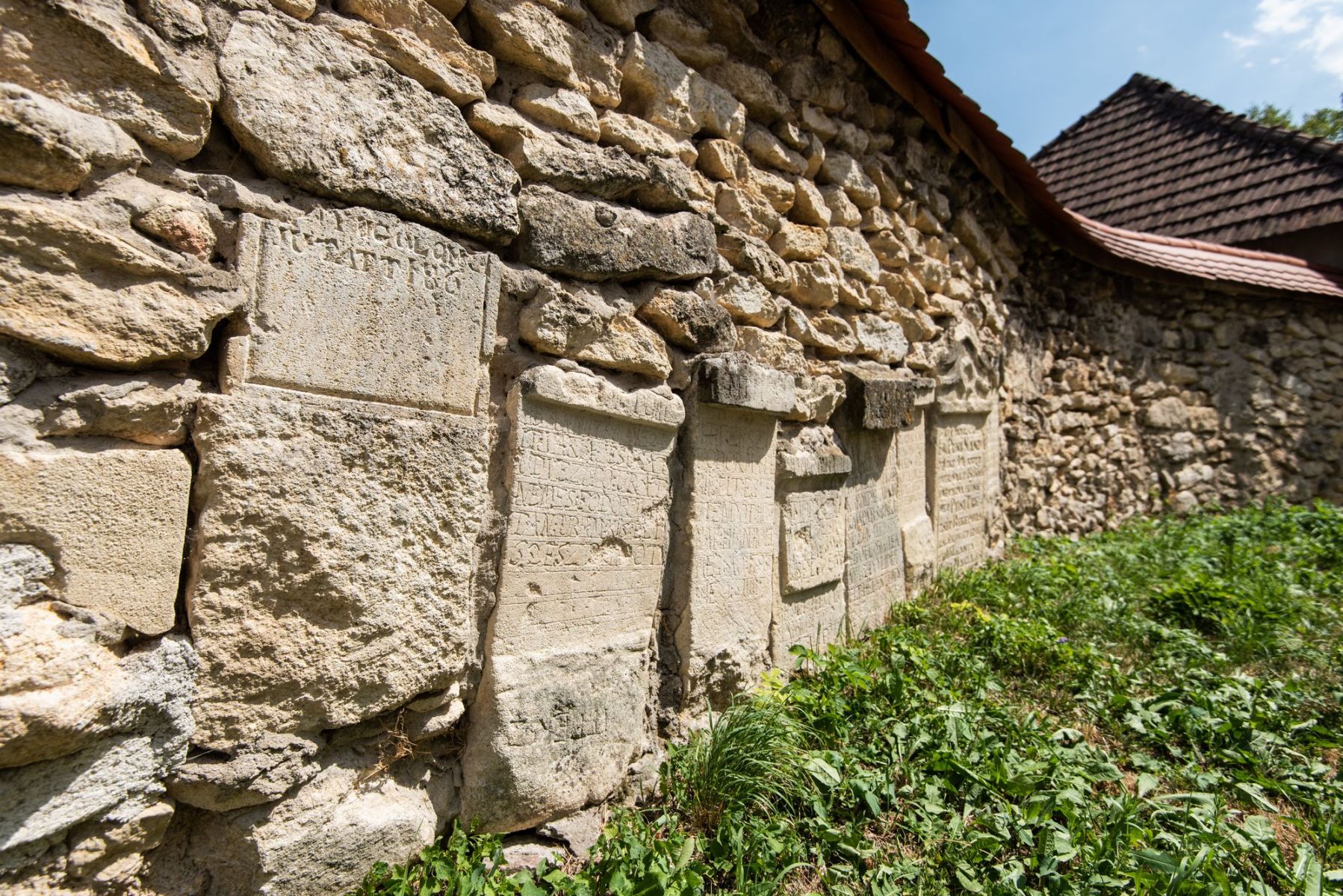
Although there are assumptions about an earlier church, the oldest parts of the present building date from the turn of the 13th and 14th centuries. During its construction, carved stones from the nearby Roman castrum of Torda were reused, meaning that the church walls preserve traces of nearly two thousand years of history. The building underwent several renovations over the centuries, one of which holds particular significance for Unitarian history.
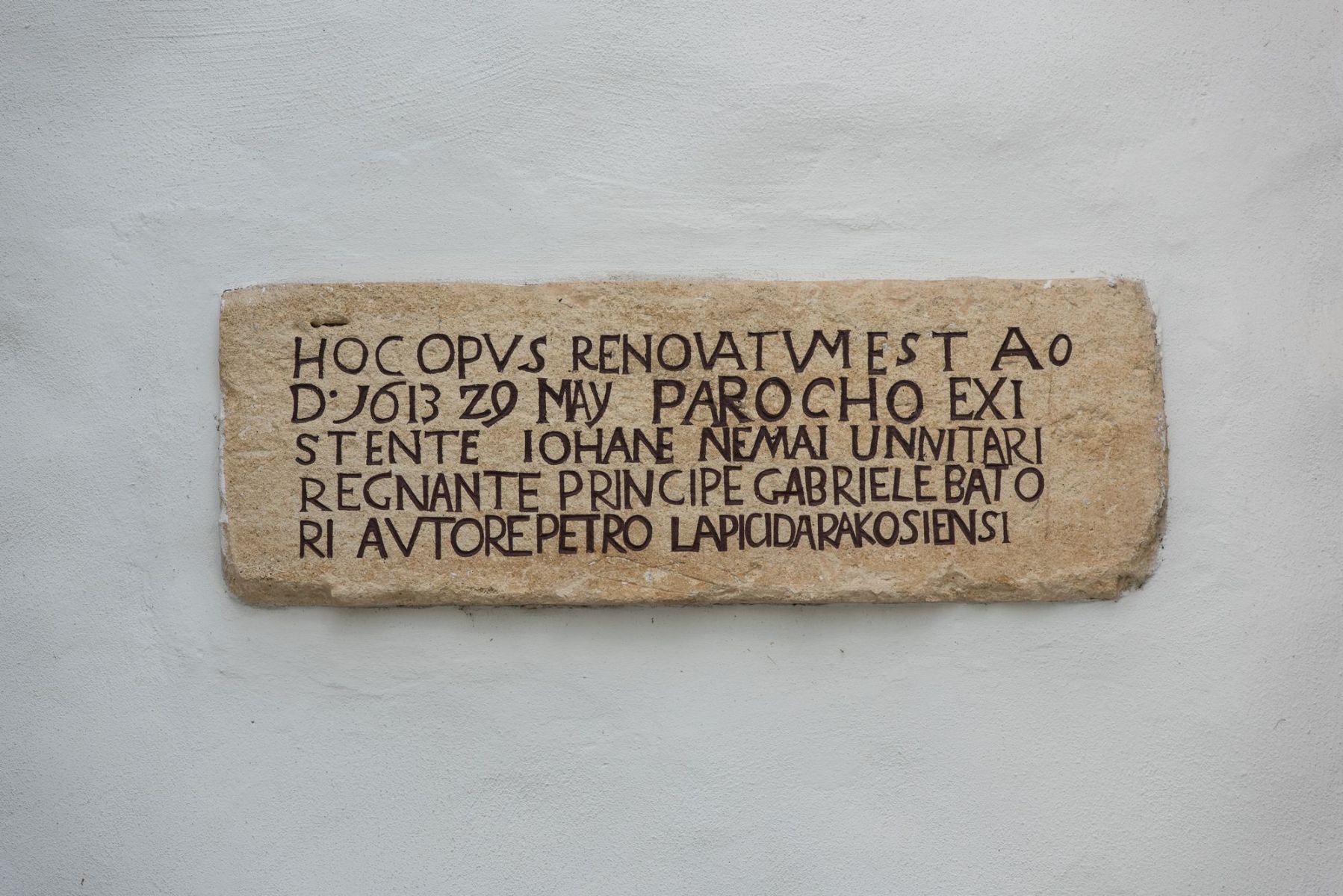
The renovation of 1613 was commemorated by an inscription carved and painted into one of the stones of the wall. This is considered the earliest epigraphic inscription containing the word “Unitarian,” not only in Transylvania but anywhere in the world. The inscription reads:
“HOC OPVS RENOVATVM EST AO / D. 1613 29 MAY PAROCHO EXI / STENTE IOHANE NEMAI UNNITARI / REGNANTE PRINCIPE GABRIELE BATO / RI AVTORE PETRO LAPICIDA RAKOSIENSI.”
Translated into English, it states: “This building was renovated on May 29, 1613, during the ministry of the Unitarian pastor János Némai and the reign of Prince Gábor Báthory, by Péter, a stonemason from Rákos.”
The church was fortified with defensive walls in 1655, and following the Tatar invasion of 1661 it underwent several further renovations, though its overall appearance changed little. Particularly noteworthy is the so-called “shame pew,” built in 1742, which served as a means of community discipline and the enforcement of social norms. The congregation’s oldest bell was cast in Brno, Moravia, in 1515, making it one of the few surviving church bells that predates the Reformation.