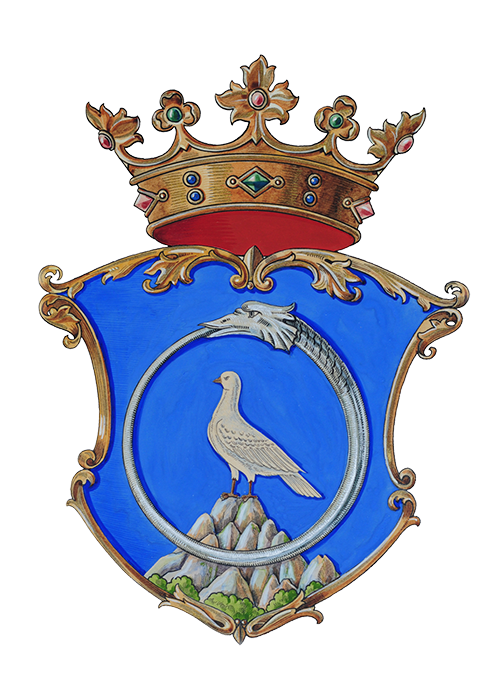

A Unitarian Taste of Transylvania
Join the Hungarian Unitarian Church on a twelve-day pilgrimage through Transylvania, discovering the history, cultural heritage, and living traditions of one of Europe’s oldest Unitarian communities.
From the historic streets of Kolozsvár (Cluj-Napoca) to the fortified churches of Székely Land, the medieval towns of Transylvania, and the citadel of Déva, this journey offers an opportunity to explore the places and stories that have shaped Unitarian history over the centuries.
Through guided visits, historical lectures, encounters with local communities, traditional craft workshops, and participation in the annual Unitarian Gathering at Szejkefürdő, participants will experience the region’s rich religious and cultural heritage.
September 7 – Arrival in Kolozsvár (Cluj-Napoca)
Upon arrival at Cluj-Napoca International Airport, participants will be welcomed and transferred to the 1568 Guest House in the historic centre of Kolozsvár.
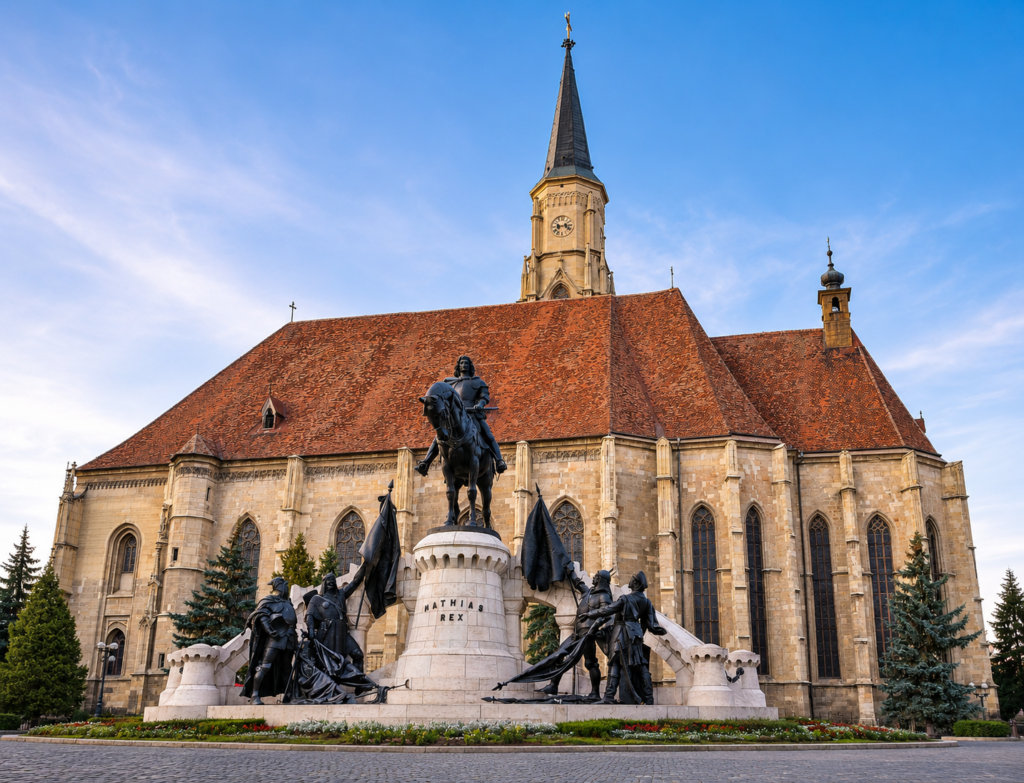
After check-in, we will gather for a welcome dinner, followed by an introductory walk through the Old Town. This first evening offers an opportunity to become acquainted with fellow travellers and the city that will serve as the starting point of our pilgrimage.
Accommodation: 1568 Guest House, Kolozsvár.
September 8 – Kolozsvár: The Birthplace of Transylvanian Unitarianism
Kolozsvár, often regarded as the unofficial capital of Transylvania, has long been one of the region’s most important educational, economic, and cultural centres. Known historically as Klausenburg in German, Cluj in Romanian, and Kolozsvár in Hungarian, the city reflects the centuries-long coexistence of different ethnic and religious communities.
It was here that Ferenc Dávid, returning from his studies abroad, became a leading figure in the religious transformations of the sixteenth century. As the founder and first bishop of the Unitarian Church, he played a decisive role in establishing Transylvanian Unitarianism.
Kolozsvár remains the administrative, educational, and spiritual centre of the Hungarian Unitarian Church. Its historic landmarks include Saint Michael’s Church, which served the Unitarian community for approximately 150 years, and the Franciscan monastery, which once housed the first Unitarian school. The city’s university tradition, dating back to 1581, also reflects its longstanding importance as a centre of learning.
Our day begins with breakfast and an introductory lecture on the history of the Unitarian Church. We will then visit the headquarters of the Hungarian Unitarian Church, the Bishop’s Office, the Unitarian High School, the Unitarian Church, the statue of Ferenc Dávid, and the House of Religious Freedom.
Following lunch, a guided city tour will introduce participants to Kolozsvár’s historic centre and its multicultural heritage.
Accommodation: 1568 Guest House, Kolozsvár.
September 9 – Marosvásárhely (Târgu Mureș) and Segesvár (Sighișoara)
After breakfast, we depart for Marosvásárhely, one of Transylvania’s major cultural centres and the western gateway to Székely Land.
Our first destination is the Palace of Culture, built between 1911 and 1913 and regarded as one of the finest examples of Hungarian Art Nouveau architecture. Its elaborate floral decorations, colourful interiors, and art collections offer a fascinating introduction to the artistic movements of the early twentieth century.
During our visit, we will also learn about the Székely people, a Hungarian-speaking community whose distinctive historical and cultural traditions have shaped much of eastern Transylvania.
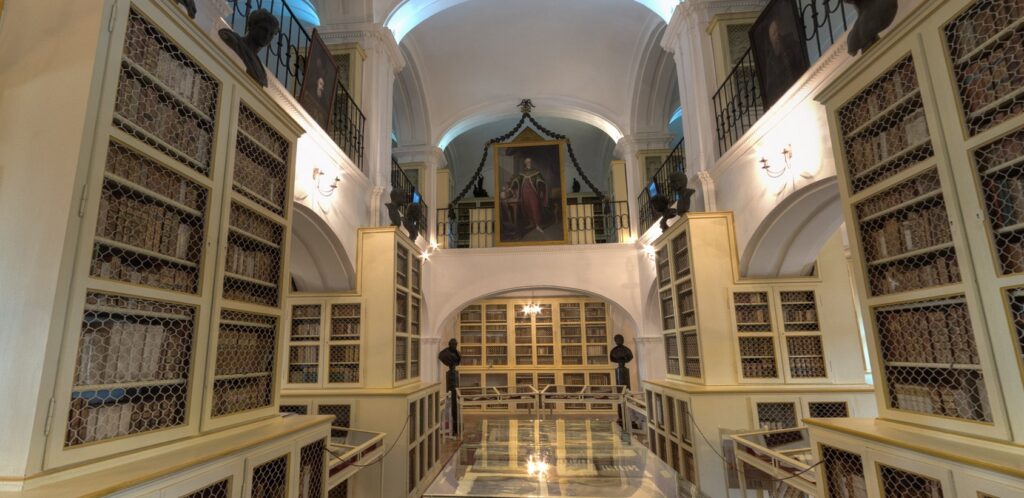
We then continue to the Teleki–Bolyai Library, commonly known as the Teleki Téka. Established by Count Sámuel Teleki and opened to the public in 1802, it was the first public library in Székely Land. Its remarkable collection includes rare books and historical documents, among them a copy of the American Declaration of Independence.
After lunch, we travel to Segesvár, a UNESCO World Heritage Site renowned for its beautifully preserved medieval town. The settlement developed as part of the historic Saxon Lands, where German-speaking communities enjoyed considerable privileges under the Hungarian Crown.
The town’s fortified walls, defensive towers, and historic buildings reflect the prosperity and influence of the Transylvanian Saxons during the Middle Ages. Segesvár is also widely known as the birthplace of Vlad the Impaler, the historical figure associated with the Dracula legend.
We will enjoy a leisurely sightseeing walk through the Old Town before dinner and check-in at our accommodation.
Accommodation: Segesvár.
September 10 – Székelykeresztúr, Székelyderzs and Énlaka
After breakfast in Segesvár, we enter Székely Land, leaving the larger towns behind to explore a region of historic villages, remarkable churches, and deeply rooted cultural traditions.
Our first stop is Székelykeresztúr (Cristuru Secuiesc), where we will visit the Berde Mózes Unitarian High School. The visit offers an opportunity to learn about contemporary Unitarian education and the everyday challenges facing schools and congregations in Transylvania.
At midday, we continue to Székelyderzs (Dârjiu), home to one of the most significant architectural monuments of the Hungarian Unitarian Church. Its fortified Unitarian church, dating back to the fourteenth century, forms part of the UNESCO World Heritage ensemble of fortified churches in Transylvania.
The church is particularly renowned for its exceptionally well-preserved medieval fresco depicting the Legend of Saint Ladislaus. Another remarkable feature is the centuries-old tradition of storing grain and cured meat within the fortified church complex. Once widespread in medieval Transylvania, this practice has survived in Székelyderzs as an expression of the community’s shared responsibility and traditions.
We will enjoy a light lunch near the church before continuing to Énlaka (Inlăceni).
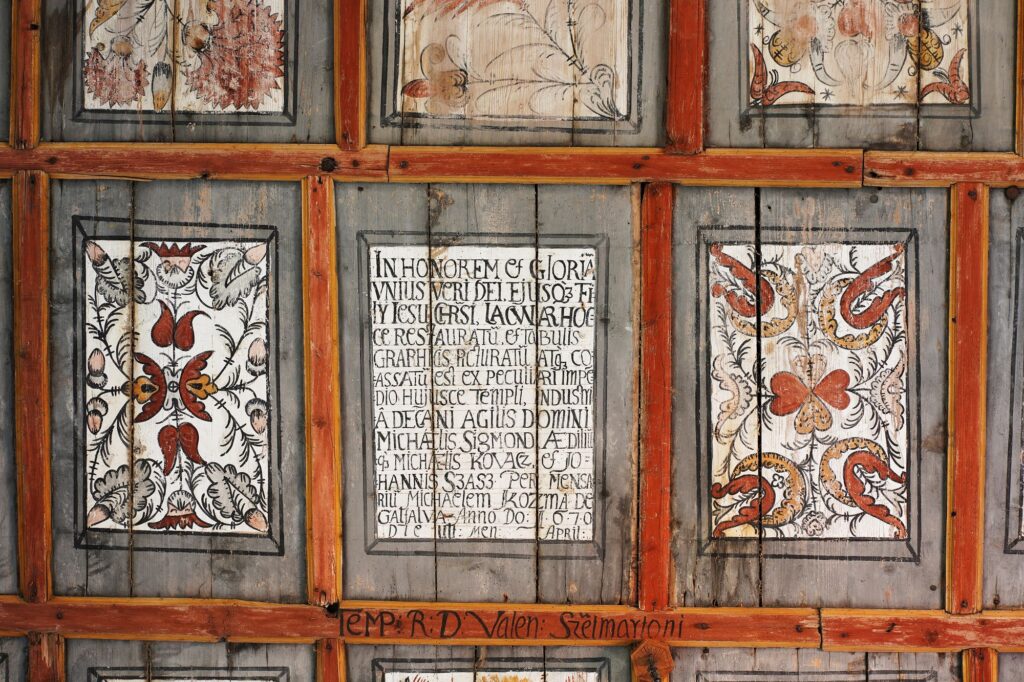
Énlaka is celebrated for its traditional village architecture and historic Unitarian church. After the village was devastated during the Tatar invasion of 1661, the church was rebuilt, partly using stones from an earlier Roman sanctuary dedicated to Jupiter.
The church’s beautifully painted wooden ceiling preserves a Hungarian runic inscription dating from 1668, one of the oldest securely dated examples of this writing tradition. The village’s historic houses and distinctive rural landscape further contribute to its unique character.
In the evening, we travel to Székelyudvarhely (Odorheiu Secuiesc) for dinner and accommodation.
Accommodation: Székelyudvarhely.
September 11 – Unitarian Gathering at Szejkefürdő and Pottery Workshop in Korond
Today we will participate in one of the most important annual events of the Hungarian Unitarian Church: the Unitarian Gathering at Szejkefürdő (Băile Seiche).
The gathering brings together members of Unitarian congregations from across Transylvania for a day of worship, fellowship, and shared celebration. Its central religious programme includes a sermon and Communion, accompanied by commemorations, lectures, and a traditional handicraft fair.
The gathering was originally conceived as an opportunity to bring Unitarians from around the world together, making the participation of international visitors especially meaningful.
Szejkefürdő is also closely associated with Balázs Orbán (1829–1890), the celebrated ethnographer, traveller, and politician often referred to as “the greatest Székely.” His monumental work, The Description of Székely Land, remains one of the most comprehensive historical and ethnographic accounts of the region.
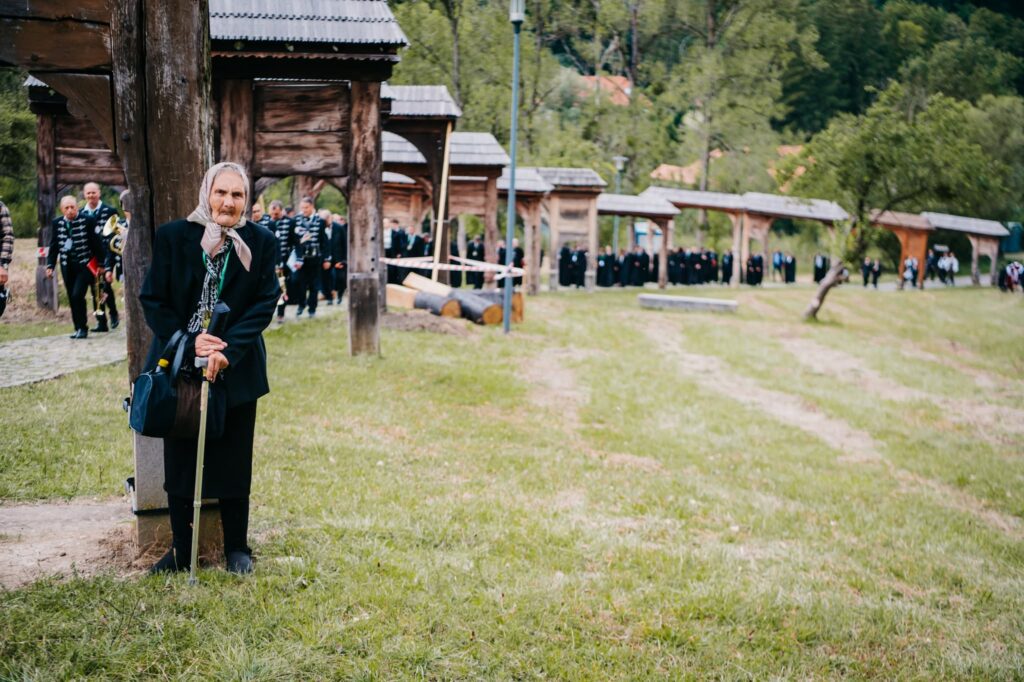
Orbán embraced the Unitarian faith later in life and devoted considerable attention to developing the mineral baths at Szejkefürdő. According to his wishes, he was buried here. His grave is approached through a remarkable series of seven traditional carved Székely gates.
Following the gathering, we travel to Korond (Corund), a village famous throughout Romania for its distinctive pottery traditions. Local artisans have preserved techniques and decorative styles that have become closely associated with Székely folk art.
During our visit, we will participate in a pottery workshop led by Ilyés Vészti Rózsika, discovering how traditional ceramics are made and decorated.
In the evening, we return to Székelyudvarhely for dinner and accommodation.
Accommodation: Székelyudvarhely.
September 12 – Oklánd, Miklósvár and Nagyajta
Today we explore some of Transylvania’s remarkable village churches and historic noble residences.
Our first destination is Oklánd (Ocland), where the Unitarian church preserves a painted wooden ceiling and medieval frescoes depicting the Legend of Saint Ladislaus. The church’s decorative elements reflect the influence of Renaissance art and the distinctive ways in which local craftspeople incorporated Hungarian folk motifs into ecclesiastical interiors.
Two of the painted ceiling panels are particularly intriguing. One depicts a heliocentric model of the solar system, while another contains a calendar that can be used to calculate the date of Easter. These unusual representations have attracted the attention of historians and researchers and reveal fascinating connections between religious life, art, and scientific knowledge.
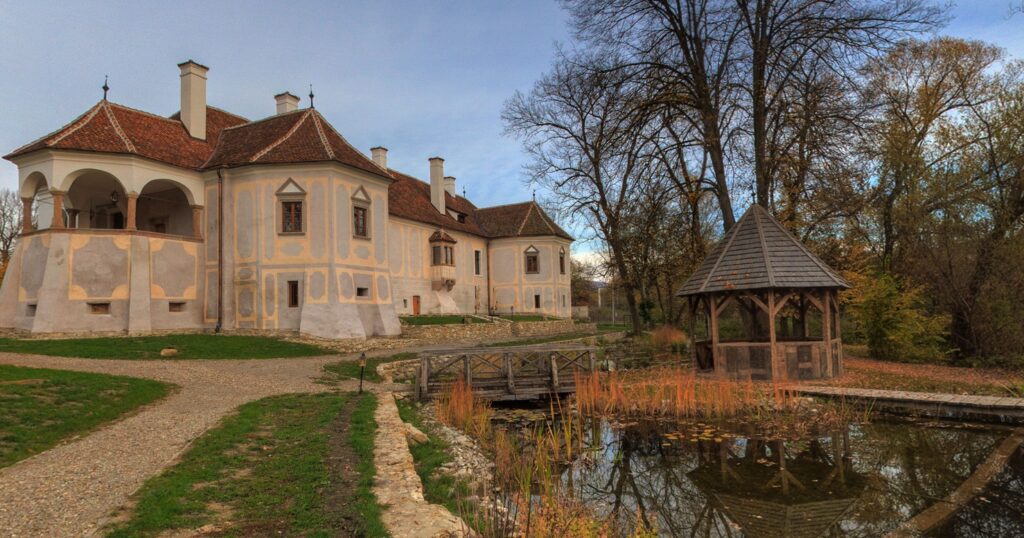
We then continue to Miklósvár (Micloșoara), where we will visit Kálnoky Castle, associated with one of Transylvania’s historic noble families.
The Kálnoky family played an important role in the political and social life of Transylvania for centuries. Like many aristocratic families, they lost their estates during the communist nationalisations of 1948 and were forced to leave the country. Following the fall of communism, members of the family returned and became involved in restoring their heritage.
Count Tibor Kálnoky’s friendship with King Charles III of the United Kingdom also reflects the international interest in preserving Transylvania’s architectural and cultural heritage.
After lunch, we travel to Nagyajta (Aita Mare), the birthplace of János Kriza (1811–1875), Unitarian bishop, writer, and ethnographer. His work contributed significantly to the preservation of Hungarian folk poetry and traditions.
The fortified Unitarian church complex houses exhibitions dedicated to the origins of Transylvanian Unitarianism, regional history and ethnography, and the life and legacy of János Kriza.
Following our visit, we continue to Sepsiszentgyörgy (Sfântu Gheorghe) for dinner and accommodation.
Accommodation: Sepsiszentgyörgy.
September 13 – Saint Anne Lake, Mohos Peat Bog and Csernáton
Today we turn our attention to the natural landscapes and traditional crafts of Székely Land.
Our morning excursion takes us to the Csomád volcanic massif, one of the youngest volcanic formations in the Carpathians. Its last eruption occurred approximately 32,000 years ago, leaving behind two remarkable volcanic craters.
One is occupied by Saint Anne Lake, a beautiful crater lake surrounded by forested mountains. The other contains the Mohos Peat Bog, a protected natural area with a distinctive ecosystem.
Accompanied by a local guide, we will explore this volcanic landscape and learn about its geological history and natural environment.
We then continue to Csernáton (Cernat), home to the Haszmann Pál Museum, an open-air museum dedicated to the everyday life, craftsmanship, and material culture of the Székely people.
Its collections include traditional houses, historic agricultural machinery, tools, and an extensive collection of stoves and furnaces. The museum also serves as an important centre for preserving traditional crafts. Each summer, hundreds of students participate in workshops devoted to woodcarving, furniture painting, and other folk-art techniques.
During our visit, participants will have the opportunity to try some of these crafts firsthand.
The programme also includes preparing traditional chimney cakes (kürtőskalács), one of the region’s best-known culinary specialities.
In the evening, we return to Sepsiszentgyörgy for dinner and accommodation.
Accommodation: Sepsiszentgyörgy.
September 14 – Nagyszeben (Sibiu)
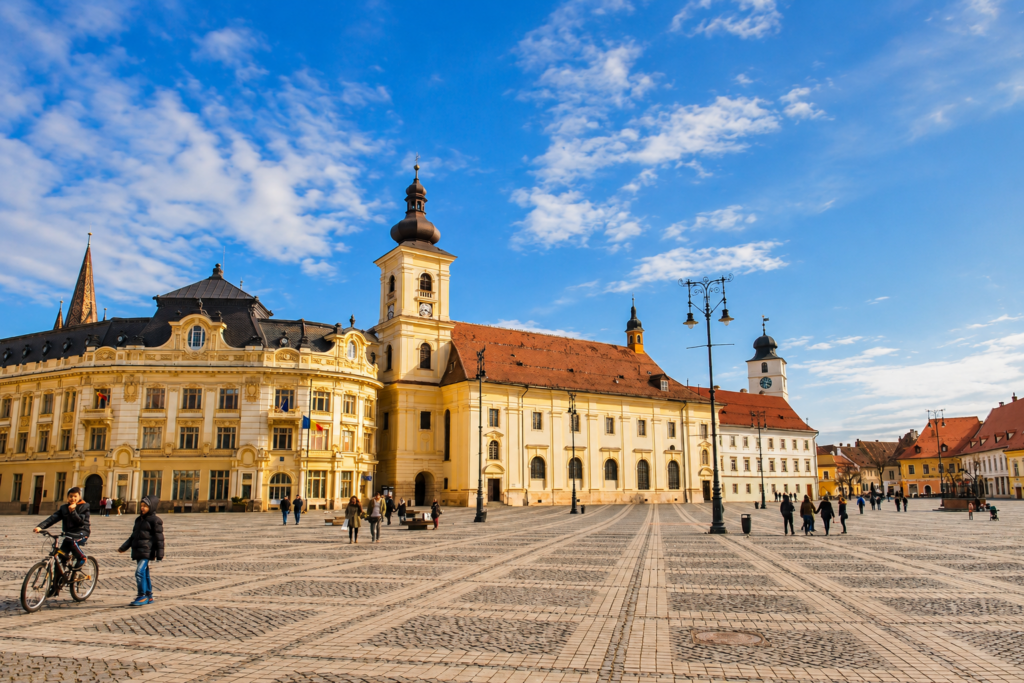
After breakfast, we leave Sepsiszentgyörgy and travel to Nagyszeben (Sibiu), historically known as Hermannstadt, one of the most important centres of Transylvanian Saxon culture.
For centuries, Nagyszeben served as a political, educational, and cultural centre of the German-speaking communities of Transylvania. During the nineteenth and early twentieth centuries, it also became an important centre of Romanian cultural life.
The city’s architectural heritage, historic squares, and medieval street network reflect this multicultural past. In recognition of its cultural significance, Nagyszeben was designated a European Capital of Culture in 2007.
One of its principal attractions is the Brukenthal Museum, which opened to the public in 1817. Its renowned art collection includes works associated with some of Europe’s most celebrated artists, including Albrecht Dürer, Anthony van Dyck, Jan Brueghel, and Peter Paul Rubens.
The city’s historic centre, with its elegant buildings, medieval streets, and distinctive atmosphere, offers an opportunity to discover the history of the Transylvanian Saxons.
Another important destination is the ASTRA Museum of Traditional Folk Civilization, whose origins date back to 1905. The museum presents the traditional rural architecture, crafts, and everyday life of Romania’s diverse communities.
Dinner and accommodation will be in Nagyszeben.
Accommodation: Nagyszeben.
September 15 – Vajdahunyad (Hunedoara) and Déva (Deva)
Our day begins with a visit to Corvin Castle in Vajdahunyad (Hunedoara), one of Transylvania’s most impressive medieval fortresses.
Closely associated with the powerful Hunyadi family, the castle has played an important role in the region’s history and imagination. Its dramatic architecture and symbolic significance have inspired numerous legends, including stories connecting the Hunyadi family to the Hungarian royal dynasty.
During the nineteenth century, ambitious restoration plans even considered transforming the castle into a residence of the Hungarian royal family.
After lunch, we continue to Déva (Deva), a place of profound significance in the history of Transylvanian Unitarianism.
Rising above the town, the citadel of Déva is remembered as the place where Ferenc Dávid, founder and first bishop of the Unitarian Church, was imprisoned for his religious convictions. He died here in 1579.
For Unitarians, Déva has become an important place of remembrance and pilgrimage, closely associated with the history of freedom of conscience and religious belief.
We will visit the citadel and then descend to the town to explore the local Unitarian church and pilgrimage centre.
Dinner and accommodation in Déva.
Accommodation: Déva.
September 16 – Gyulafehérvár (Alba Iulia) and Torockó (Rimetea)
As we begin our return journey towards Kolozsvár, we stop in Gyulafehérvár (Alba Iulia), one of the former capitals of Transylvania.
The city is renowned for its impressive star-shaped fortress, which contains several important religious, political, and cultural landmarks.
Among them is Saint Michael’s Roman Catholic Cathedral, associated with the medieval Bishopric of Transylvania, established in 1009. The cathedral also contains the tomb of John Sigismund Zápolya, Prince of Transylvania and the first Unitarian ruler.
Other important landmarks include the Coronation Cathedral, associated with the coronation celebrations of King Ferdinand I and Queen Marie in 1922, the historic Princely Palace, and the Batthyaneum Library, which preserves one of Romania’s most valuable collections of rare books and manuscripts.
After lunch, we travel to Torockó (Rimetea), one of the most picturesque historic Unitarian villages in Transylvania.
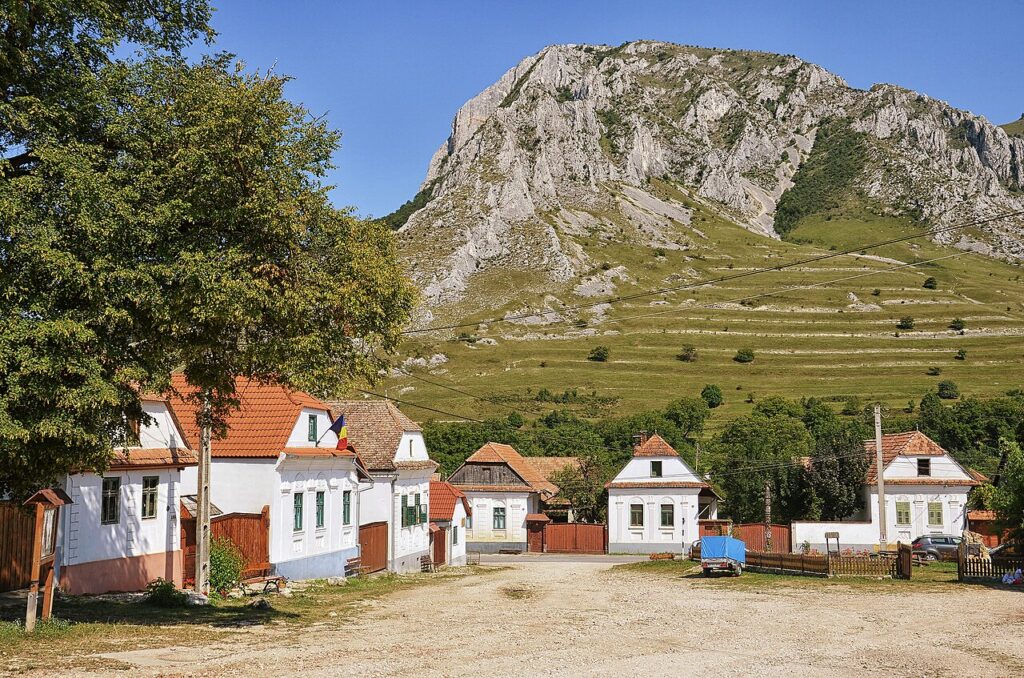
Situated beneath the dramatic cliffs of Székelykő Mountain, the village is famous for its traditional architecture, remarkably preserved historic streets, and distinctive landscape.
Torockó received the Europa Nostra Award in 1999 in recognition of its outstanding architectural heritage. It is also affectionately known as the village “where the sun rises twice,” a reference to the unusual way sunlight appears over the surrounding mountains.
We will spend the afternoon exploring the village before returning to Kolozsvár for dinner and accommodation at the 1568 Guest House.
Accommodation: 1568 Guest House, Kolozsvár.
September 17 – Torda (Turda): The Birthplace of Religious Freedom
Our final excursion takes us to Torda (Turda), a place of exceptional importance in the history of religious freedom and the Unitarian Church.
In January 1568, the Transylvanian Diet assembled in Torda and adopted a landmark decision concerning religious freedom. The decree became one of Europe’s earliest legislative expressions of religious tolerance and freedom of preaching.
Ferenc Dávid, founder and first bishop of the Unitarian Church, played an important role in the religious developments associated with the Diet. The adoption of the Edict of Torda is traditionally regarded as a defining moment in the establishment of the Transylvanian Unitarian Church.
During our visit, we will explore the Torda Salt Mine, one of the region’s most remarkable underground attractions, as well as the Monument of Religious Freedom and the local Roman Catholic church associated with the historic Diet.
In the early afternoon, we return to Kolozsvár, where participants will have free time to explore the Old Town, visit local shops, purchase souvenirs, or revisit favourite places.
In the evening, we will gather for a farewell dinner accompanied by a traditional folk performance, bringing our twelve-day pilgrimage through Transylvania to a close.
Accommodation: Kolozsvár.
September 18 – Departure from Kolozsvár
After breakfast, participants will be transferred to Cluj-Napoca International Airport for their return journeys.
Your Transylvanian journey ends here. Hopefully not forever. We look forward to welcoming you back for new discoveries and experiences.
Pricing and Participation
Dates: September 7–18, 2027
Duration: 12 days / 11 nights
Tour Price: USD 3,200 per person
Single Supplement: USD 500
Prices are based on a group of 20–25 participants. If fewer than 20 participants register, the price will be adjusted accordingly.
Included in the Price
- 11 nights of accommodation in 3- and 4-star hotels
- 29 meals (11 breakfasts, 10 lunches, and 8 dinners)
- Expert-led lectures and guided visits
- An expert group leader throughout the pilgrimage
- Coach transportation and airport transfers
- All entrance fees
Not Included
- International airfare
- Three dinners
Registration and Further Information
For further information about the pilgrimage, please contact:
Hungarian Unitarian Church
Email: pilgrimage@unitarius.org
Address: B-dul 21 Decembrie 1989, nr. 9, 400105 Cluj-Napoca, Romania