 Introduction
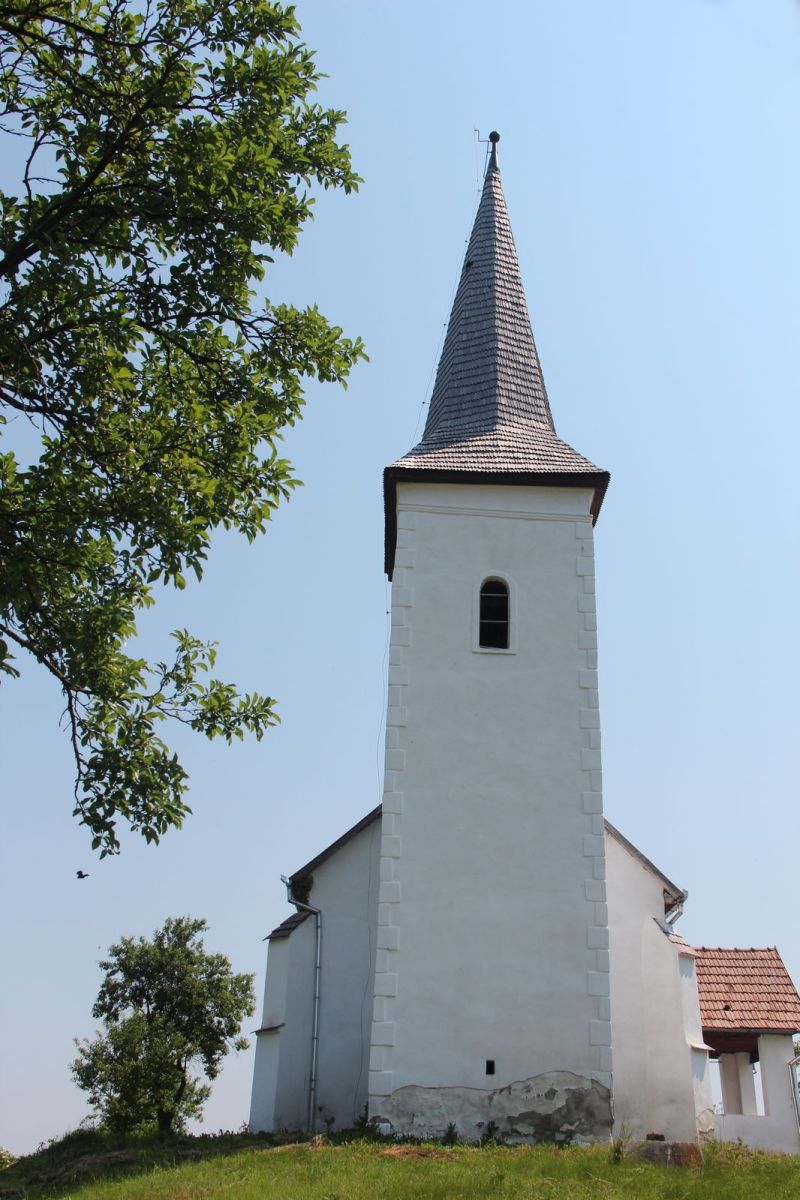
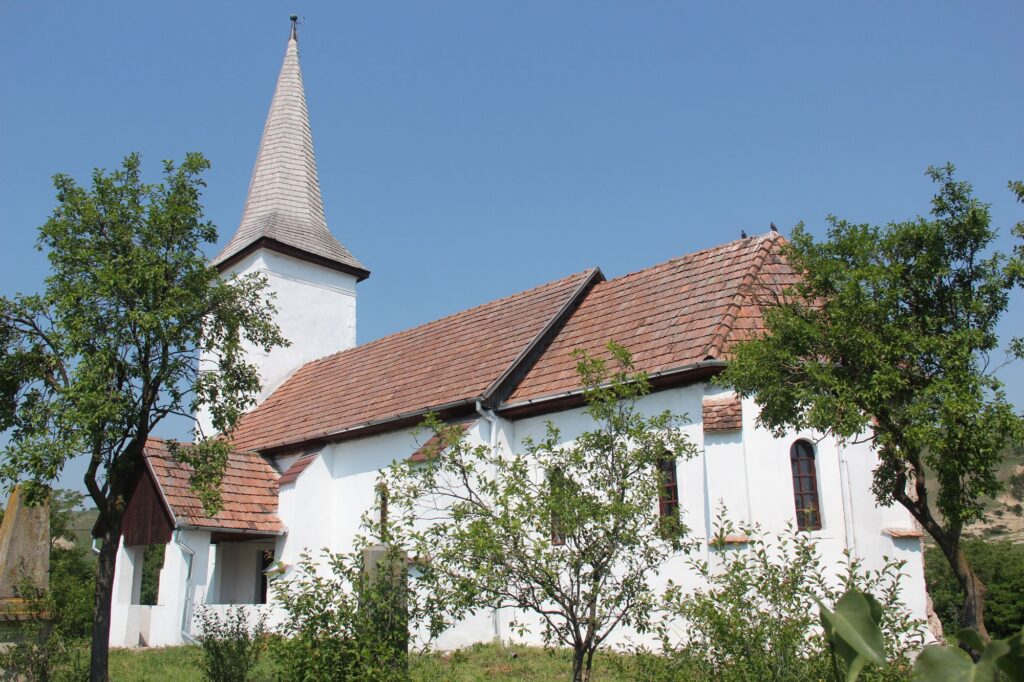
Magyarszentbenedek (Romanian: Sânbenedic) is a historic village in Alba County, situated in the Kis-Küküllő Valley of central Transylvania. Although the local Unitarian community is small today, the village preserves an important example of Transylvanian ecclesiastical art: the richly carved and painted pulpit canopy of its Unitarian church. Together with the church’s remarkable painted coffered ceiling, it represents a valuable legacy of the artistic and spiritual culture of rural Unitarian communities.
The Church
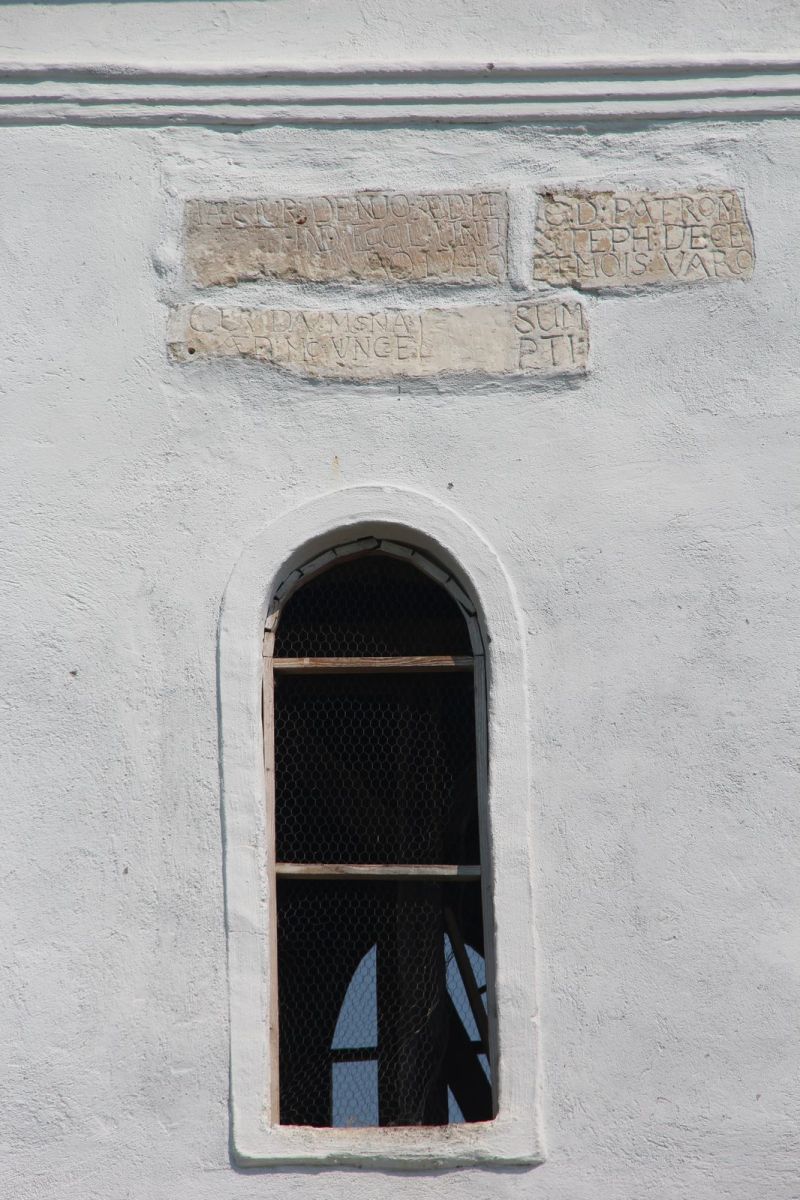
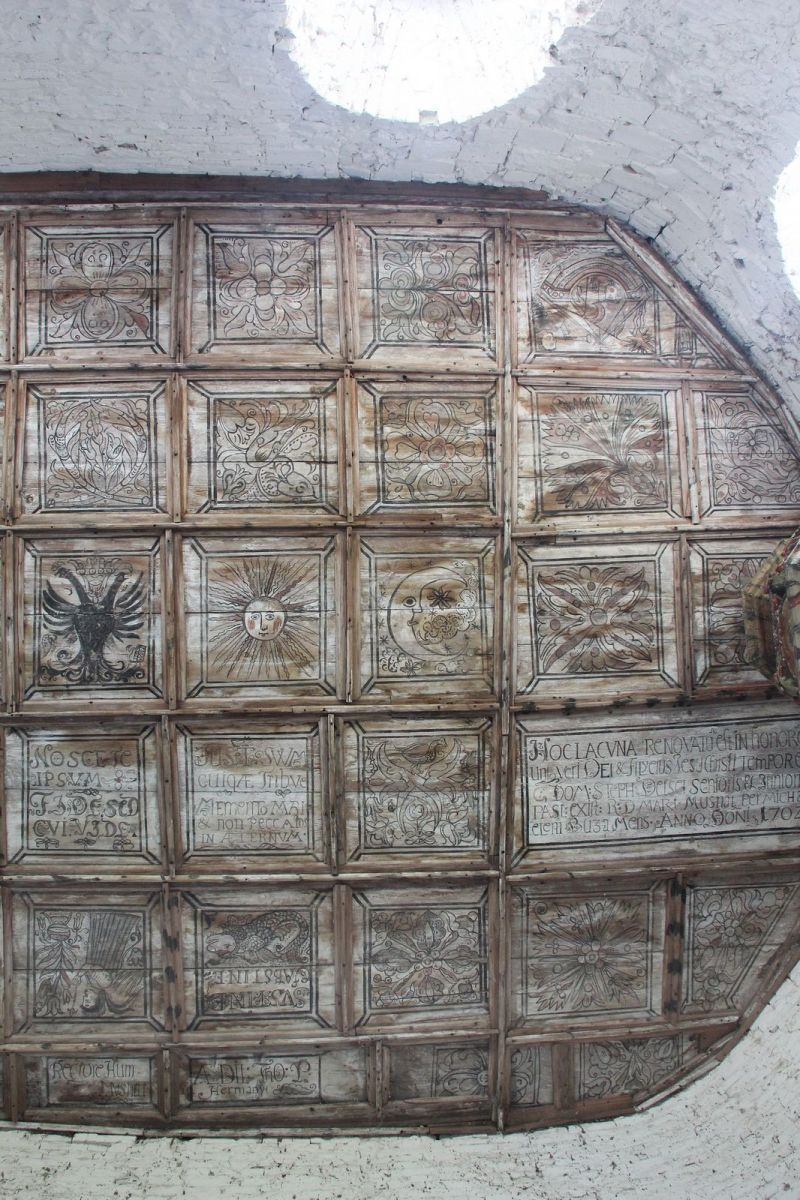
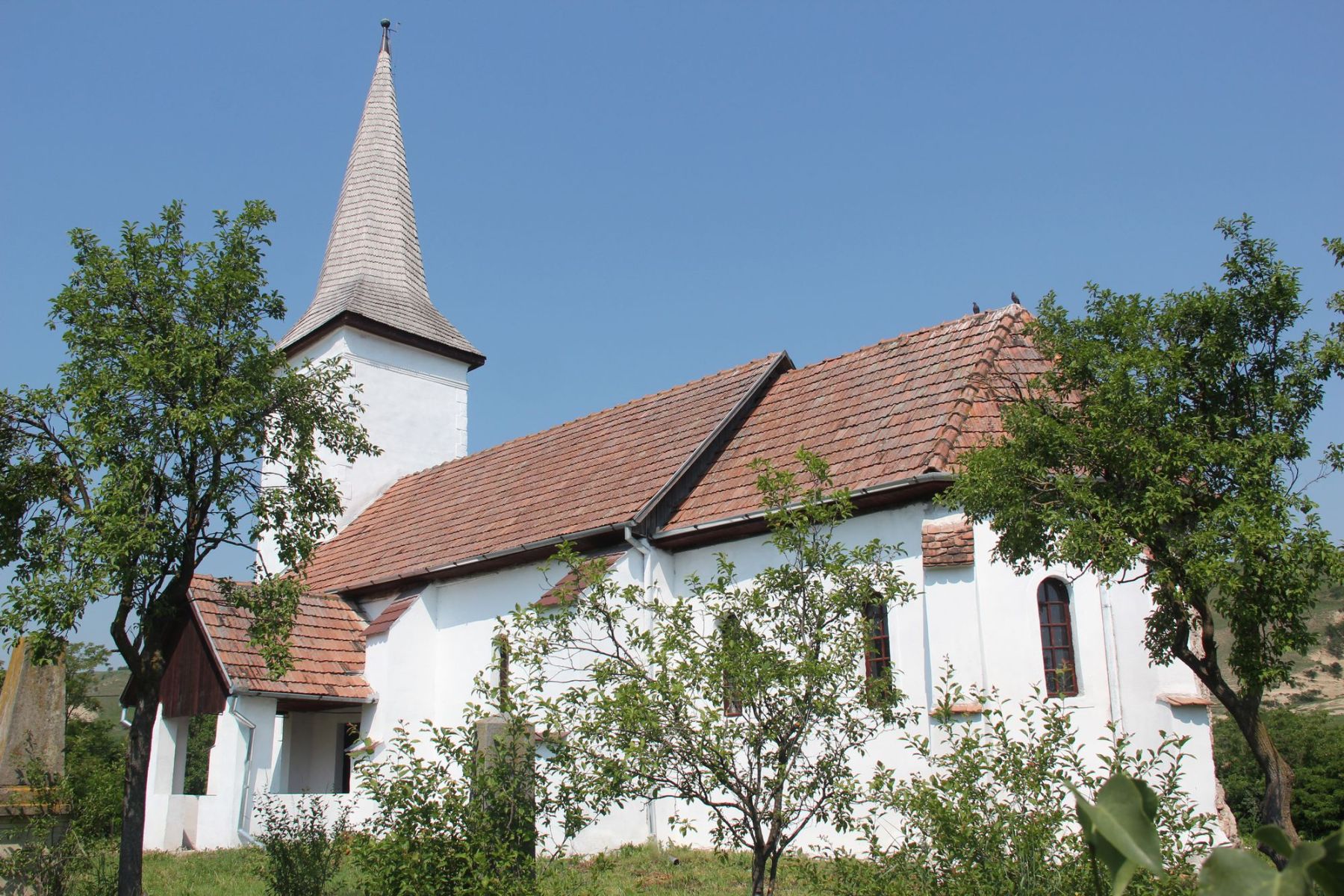
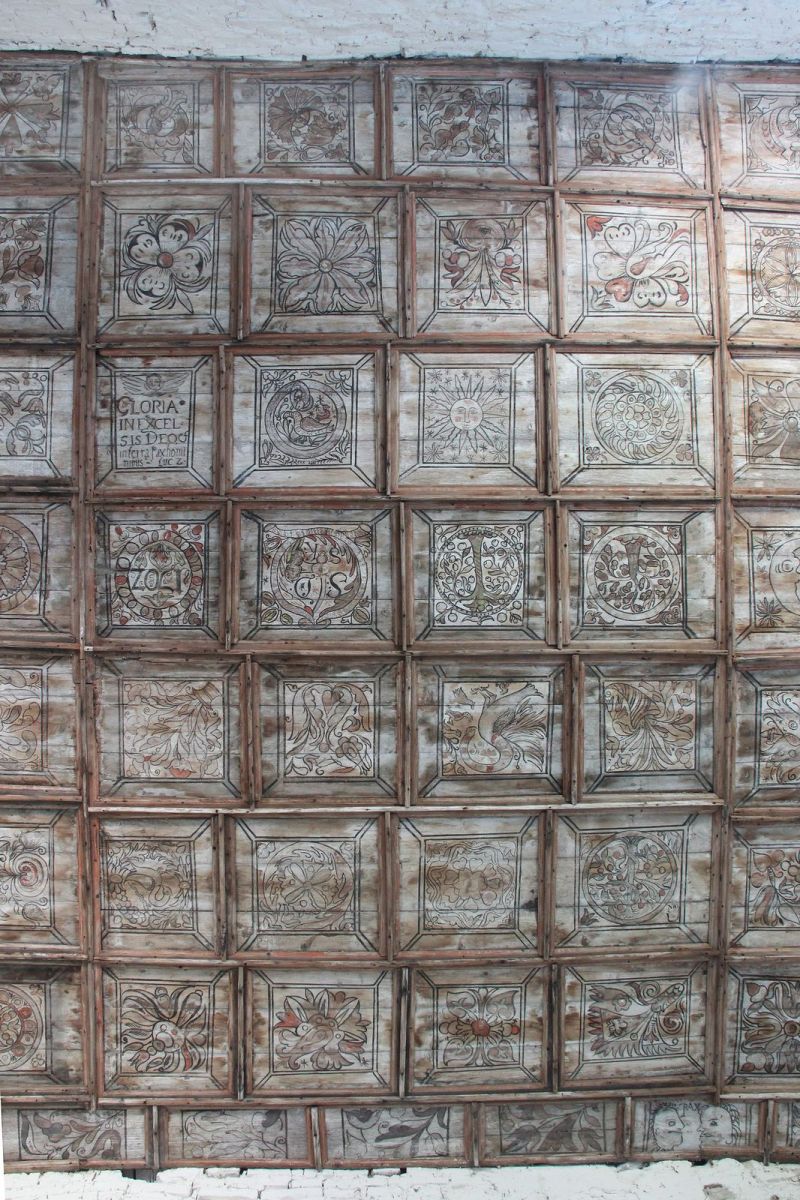
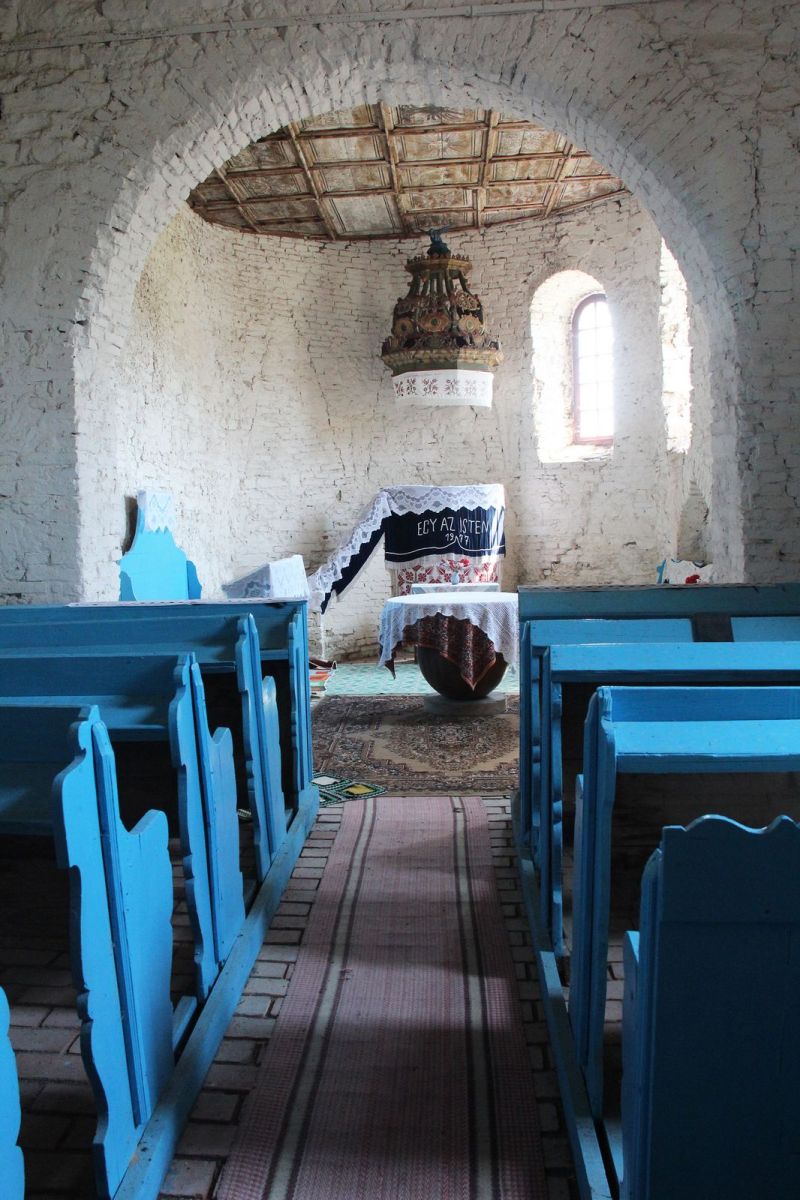
The Unitarian church of Magyarszentbenedek has medieval origins. Architectural evidence suggests that an earlier Gothic church already stood on the site by the fourteenth century. Following the wars and destruction of the seventeenth century, the building underwent substantial reconstruction. A surviving inscription on one of the roof beams records a major renovation in 1698, while the church’s unified painted coffered ceiling was completed in 1702.
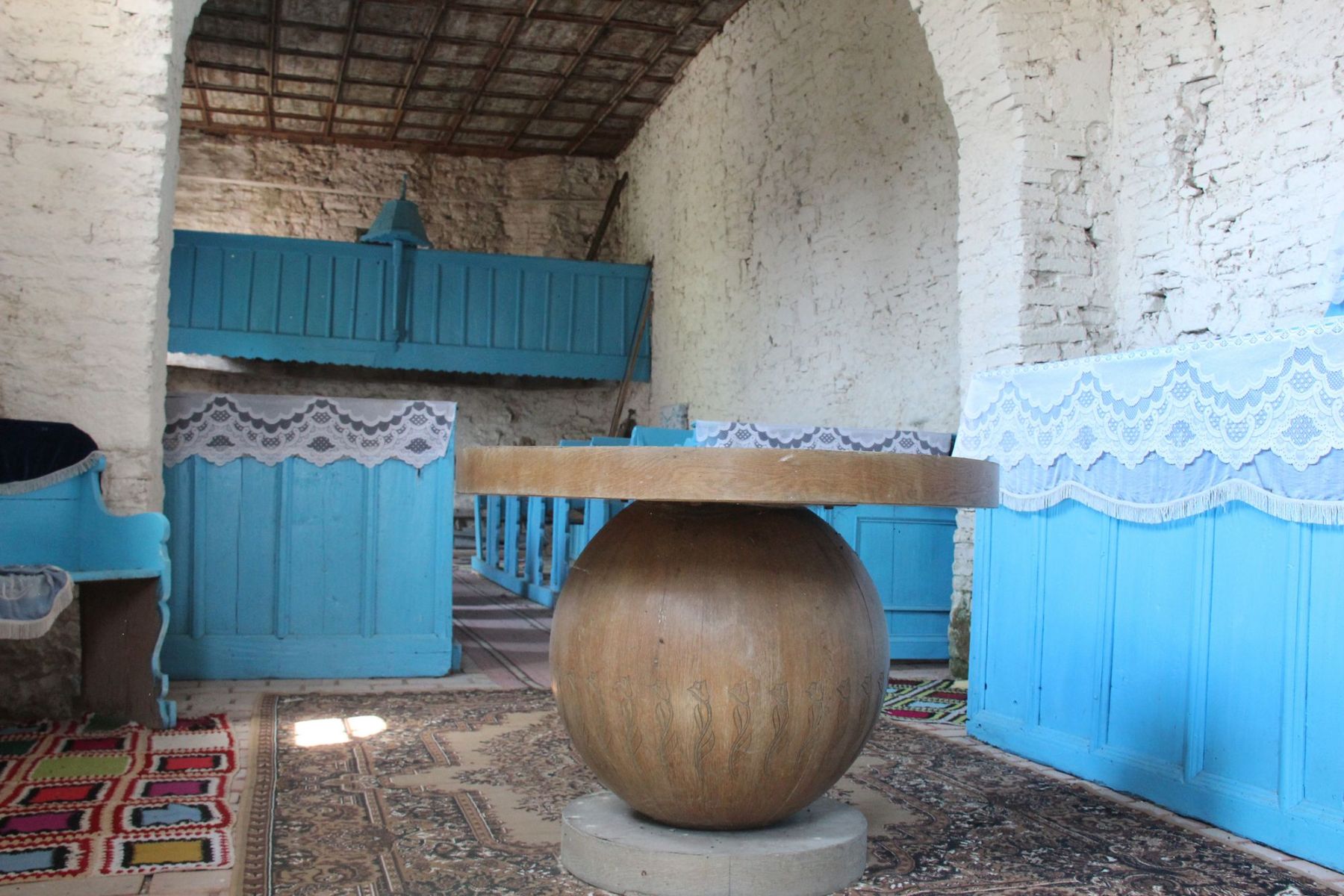
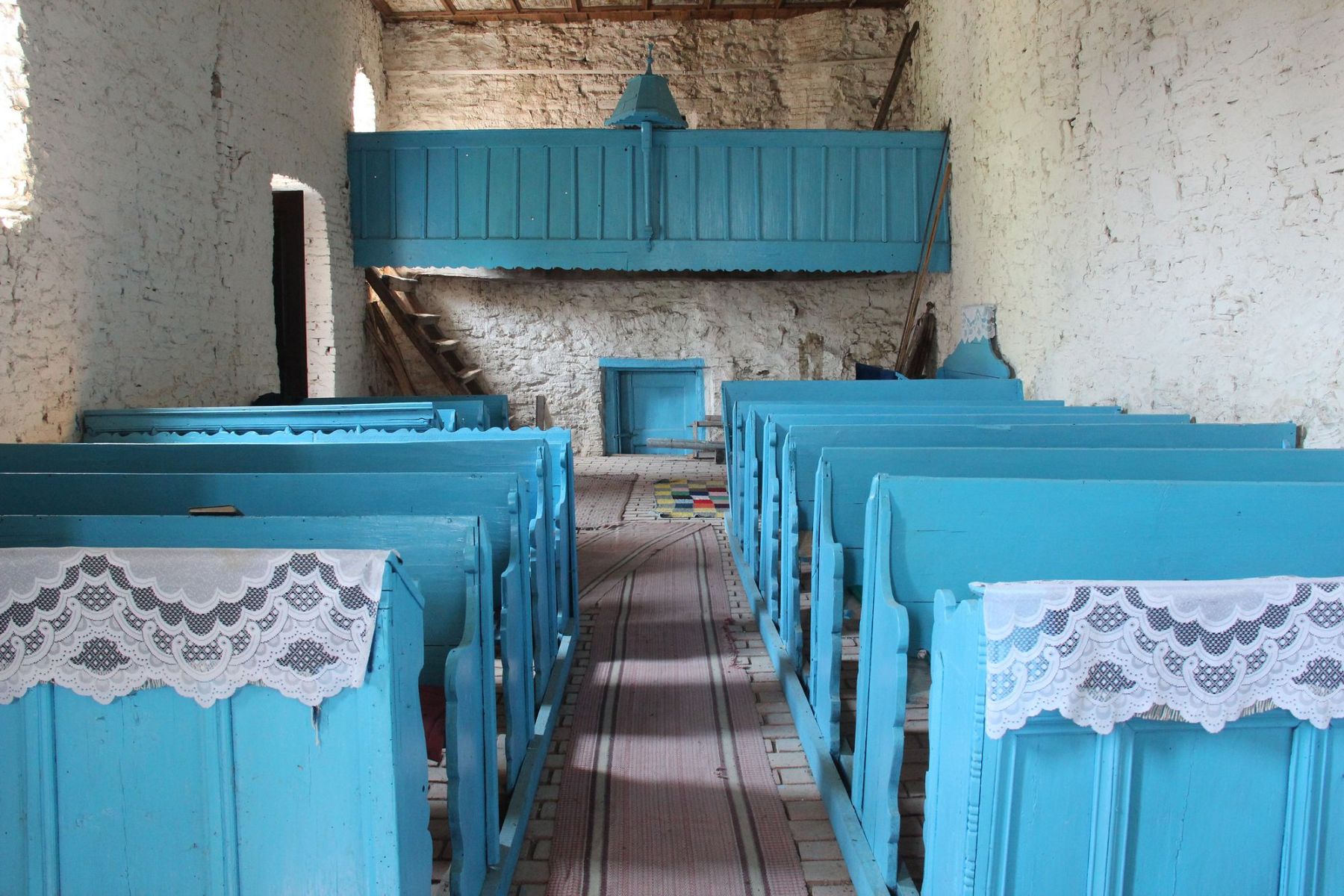
The interior was further reorganized during the nineteenth century, creating much of the appearance visitors see today. Despite these changes, the church retains significant elements of its historic character and remains one of the most important monuments of Unitarian heritage in the region.
The Pulpit Canopy
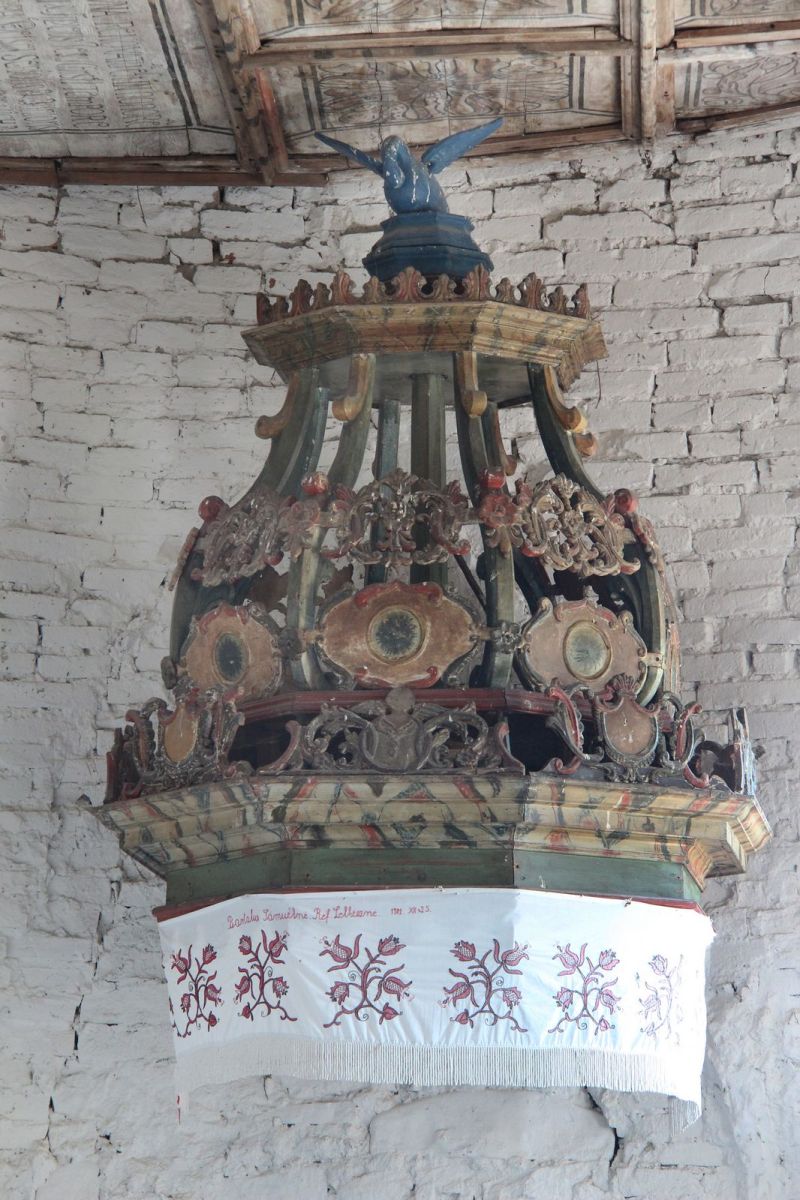
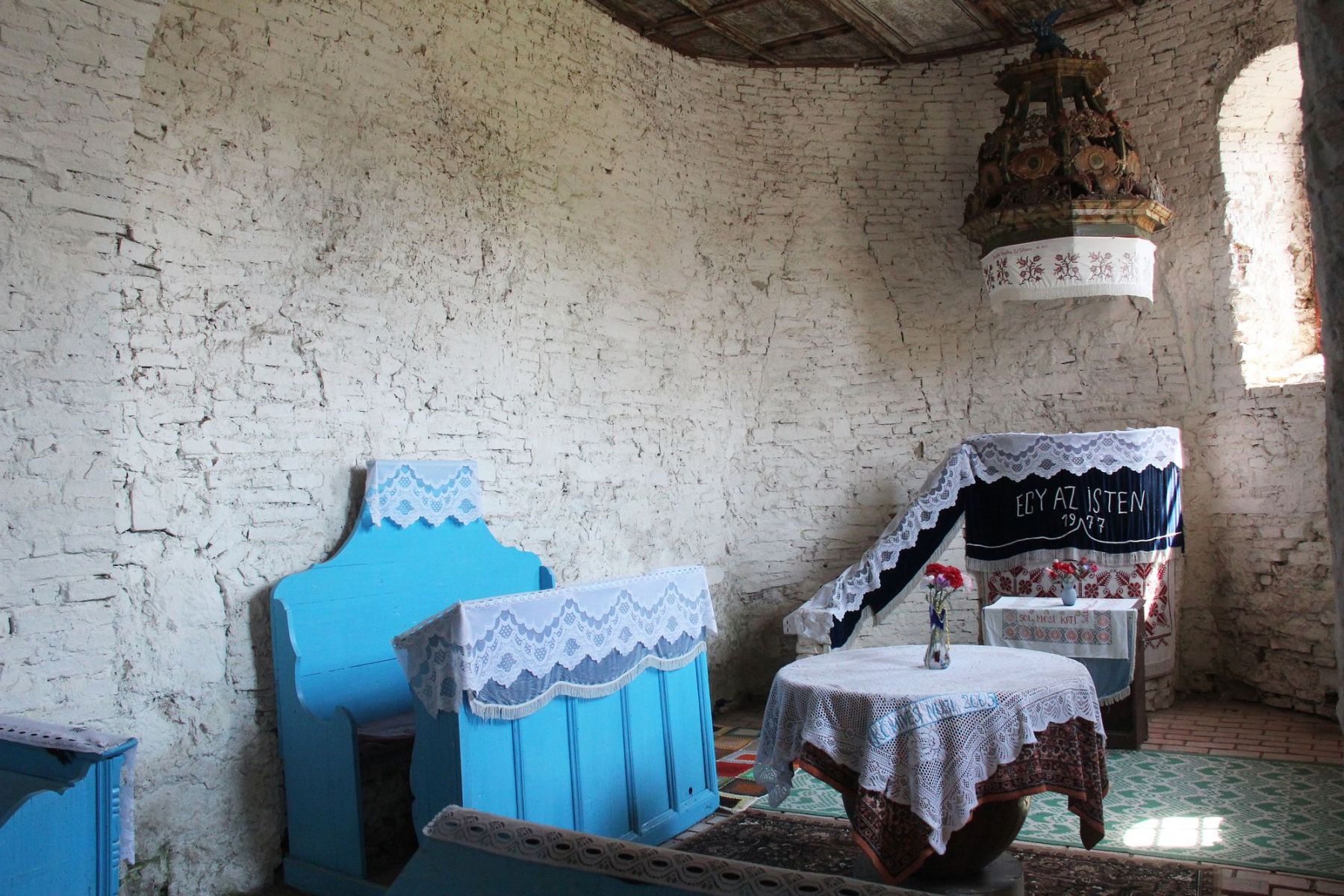
The pulpit canopy visible today dates from the first half of the eighteenth century. Originally positioned above the pulpit on the northern side of the nave, it was relocated to its present position in the sanctuary during the reorganization of the church interior in 1803.
Richly carved and painted, the canopy reflects the craftsmanship and artistic traditions of eighteenth-century Transylvanian Protestant church furnishing. Its elegant proportions and elaborate ornamentation make it one of the most distinctive features of the church interior. Serving both a practical and symbolic function, the canopy draws attention to the pulpit as the focal point of worship and the proclamation of the Word.
Artistic Context
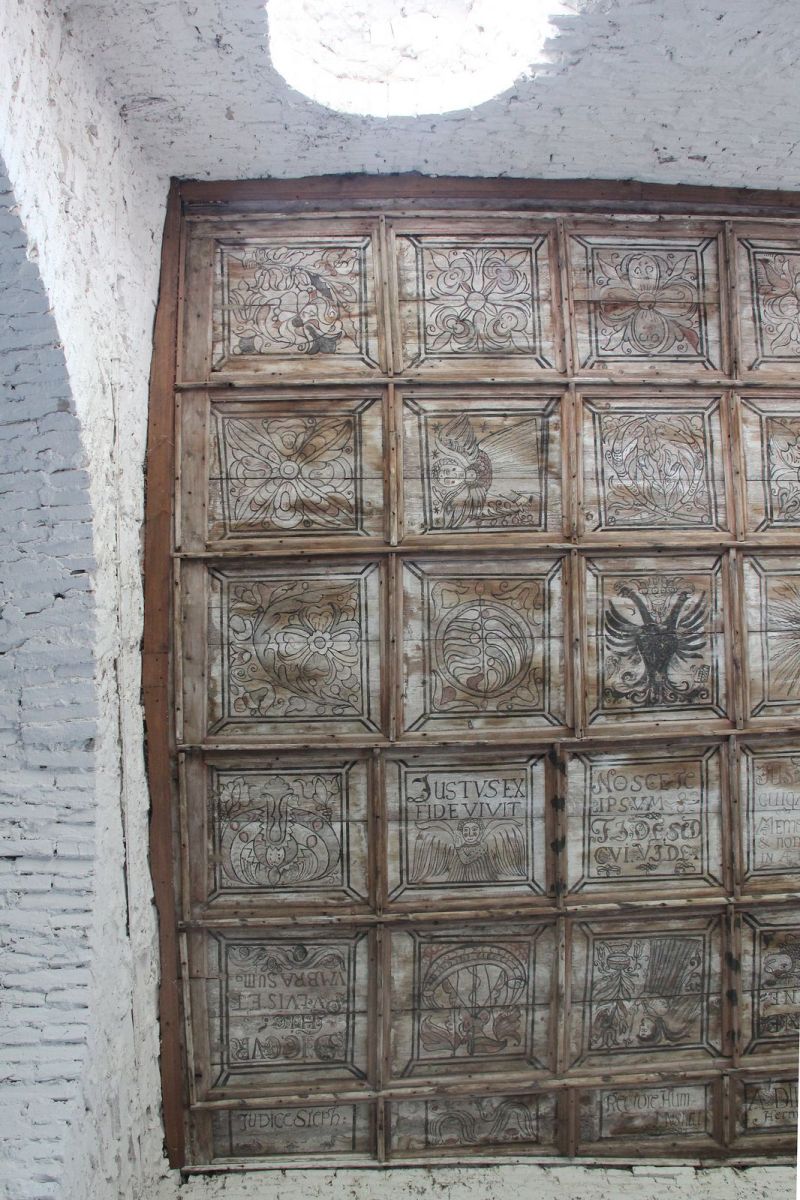
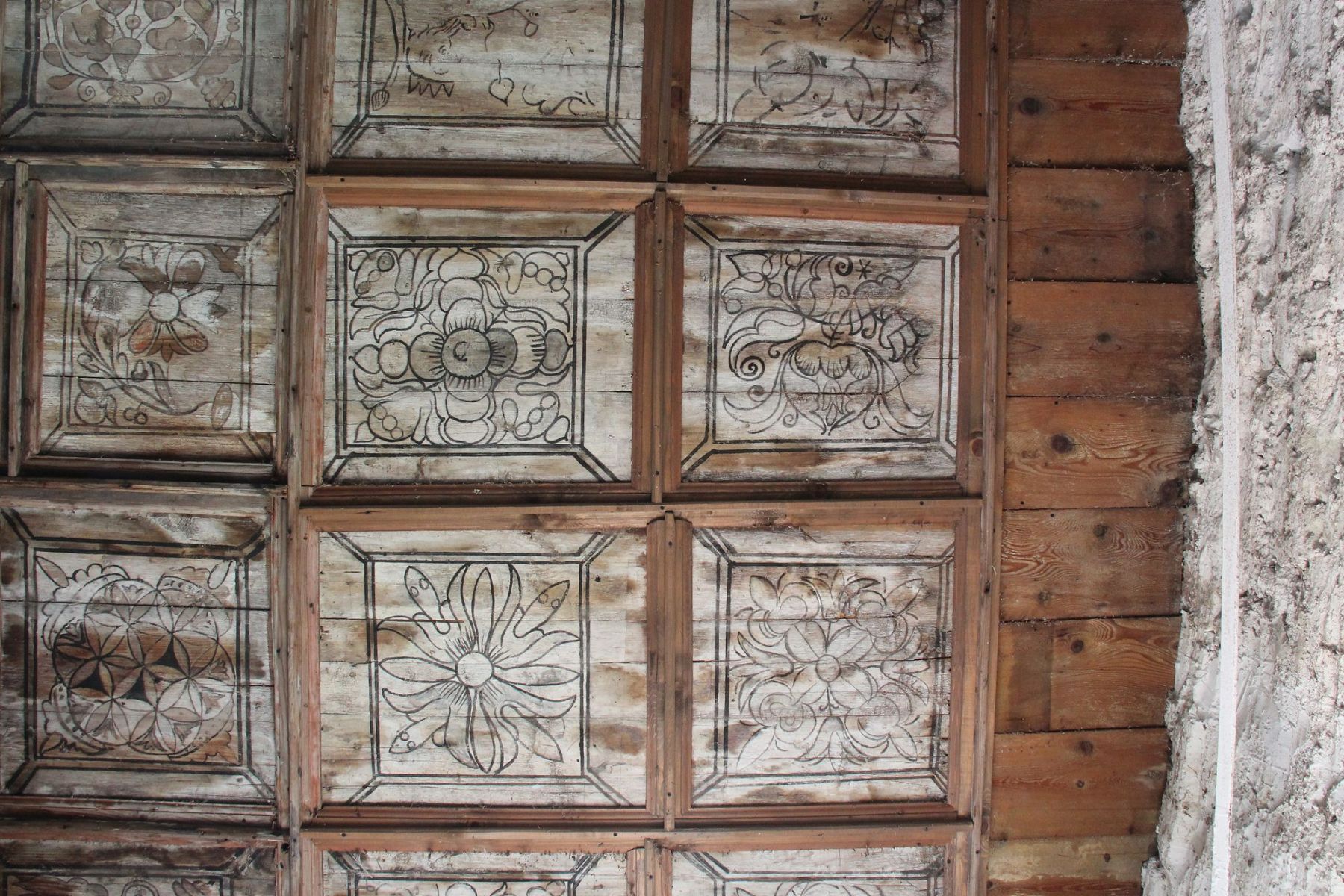
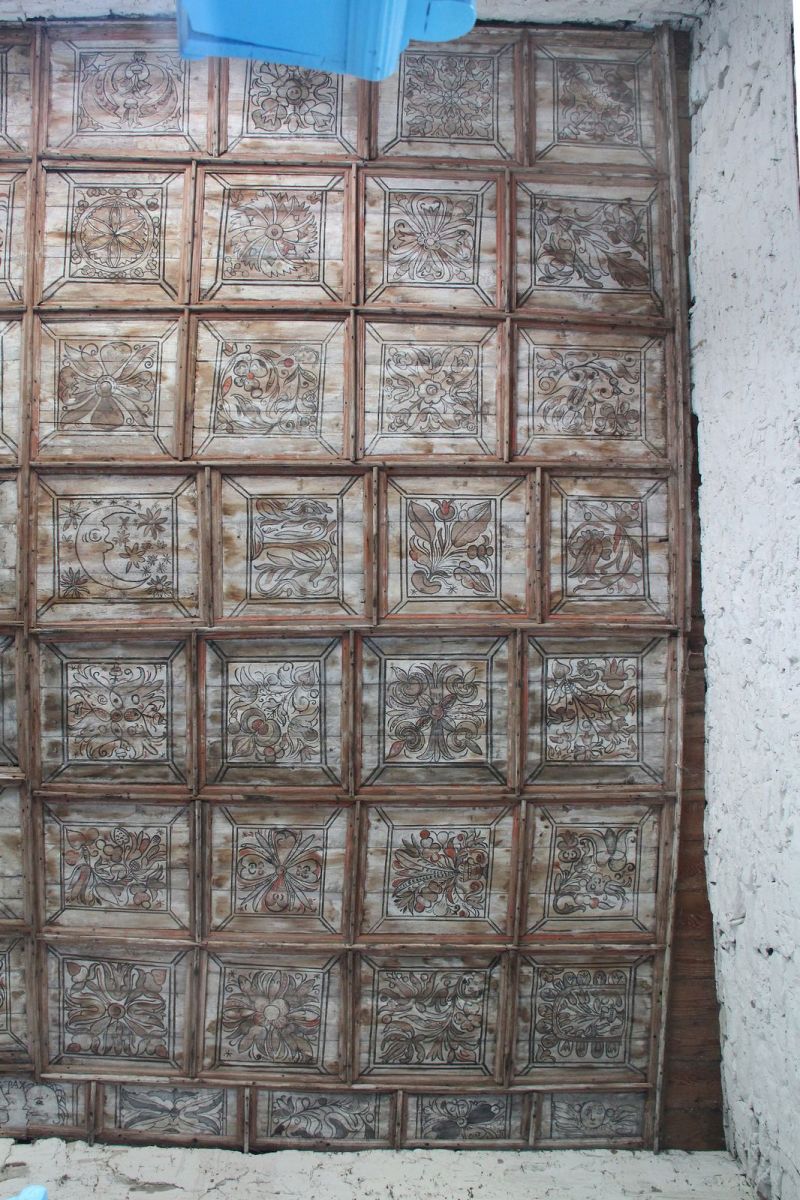
The pulpit canopy forms part of a larger decorative ensemble that includes the church’s painted coffered ceiling, created in 1702 by the master carpenter Mihály Búza. The ceiling consists of 129 complete and 21 partial painted panels, making it one of the most extensive surviving examples of its kind in Transylvania.
Its iconography is exceptionally rich and varied. Alongside inscriptions and floral ornamentation, the panels feature heraldic motifs, symbolic creatures, celestial symbols, biblical references, and decorative elements characteristic of late Renaissance and early Baroque folk art. Among the motifs are the double-headed eagle, the sun and moon, griffins, pelicans, doves, ships, cornucopias, and the Tree of Paradise.
Together, the painted ceiling and the pulpit canopy create a harmonious artistic environment that preserves the visual culture of historic Unitarian communities in the Kis-Küküllő region.
Preservation and Legacy
The church, its painted ceiling, and its pulpit canopy underwent restoration during the early twenty-first century, helping to preserve these valuable works for future generations. The restoration ensured the survival of one of the region’s most important examples of traditional painted church decoration and woodcarving.
Today, the pulpit canopy of Magyarszentbenedek stands as a testament to the faith, craftsmanship, and artistic achievement of the Unitarian communities that shaped the cultural landscape of Transylvania over the centuries.
Visiting Magyarszentbenedek
Visitors to Magyarszentbenedek encounter a peaceful village where centuries of religious and artistic history remain visible within the walls of the Unitarian church. The pulpit canopy and painted coffered ceiling together offer a unique glimpse into the rich visual world of Transylvanian Unitarianism and the enduring legacy of its rural congregations.
Gallery by Bálint Zsigmond